Nutrition
The Simple Pantry Staple That May Support Heart Health and Weight Management

Health Points
- Lentils provide complete nutrition with high fiber, plant protein, and essential minerals like iron and folate
- Regular lentil consumption may support heart health by lowering cholesterol and stabilizing blood sugar levels
- These versatile legumes offer budget-friendly nutrition that supports weight management and digestive wellness
A humble legume found in kitchens across America has earned recognition from nutrition experts as one of the most powerful plant-based foods available. Lentils, which have sustained civilizations for thousands of years, continue to offer remarkable health benefits backed by modern science.
These tiny nutritional powerhouses pack an impressive array of vitamins, minerals, and plant compounds into every serving. A single cup of cooked lentils delivers 18 grams of protein, 16 grams of fiber, and substantial amounts of iron, folate, and potassium—all for just 230 calories.
“Lentils are an exceptional source of plant-based nutrition that supports multiple aspects of health simultaneously,” explains registered dietitian Sarah Thompson, who has counseled patients on heart-healthy eating for over 15 years.
The fiber content in lentils plays a crucial role in cardiovascular health. Research indicates that the soluble fiber found in legumes can help reduce LDL cholesterol levels, often referred to as “bad” cholesterol. This natural cholesterol-lowering effect occurs without medication or restrictive dieting.
Blood sugar regulation represents another significant benefit. The combination of protein, fiber, and complex carbohydrates in lentils creates a slow, steady release of glucose into the bloodstream. This prevents the dramatic spikes and crashes associated with refined carbohydrates and sugary foods.
For those managing their weight, lentils offer a satisfying solution. The high fiber and protein content promotes feelings of fullness that can last for hours. This natural appetite control helps reduce overall calorie intake without leaving people feeling deprived or hungry.
“What makes lentils particularly valuable is their versatility—they work in soups, salads, side dishes, and even as a meat substitute in traditional recipes,” notes Thompson.
The mineral content deserves special attention, particularly for women of childbearing age. Lentils provide significant amounts of folate, essential for fetal development and cell function. They also supply iron in a plant-based form that, when combined with vitamin C-rich foods, becomes more readily absorbed by the body.
Digestive health improves with regular lentil consumption. The prebiotic fiber feeds beneficial gut bacteria, supporting a healthy microbiome. This can lead to better digestion, improved immune function, and even enhanced mood through the gut-brain connection.
Unlike many superfoods that come with premium price tags, lentils remain remarkably affordable. A pound of dried lentils costs just a few dollars and yields multiple servings. They require no soaking like other legumes and cook in about 20 to 30 minutes.
The environmental benefits complement the health advantages. Lentils require significantly less water than animal protein sources and actually improve soil health by fixing nitrogen. This makes them a sustainable choice for health-conscious consumers concerned about their environmental impact.
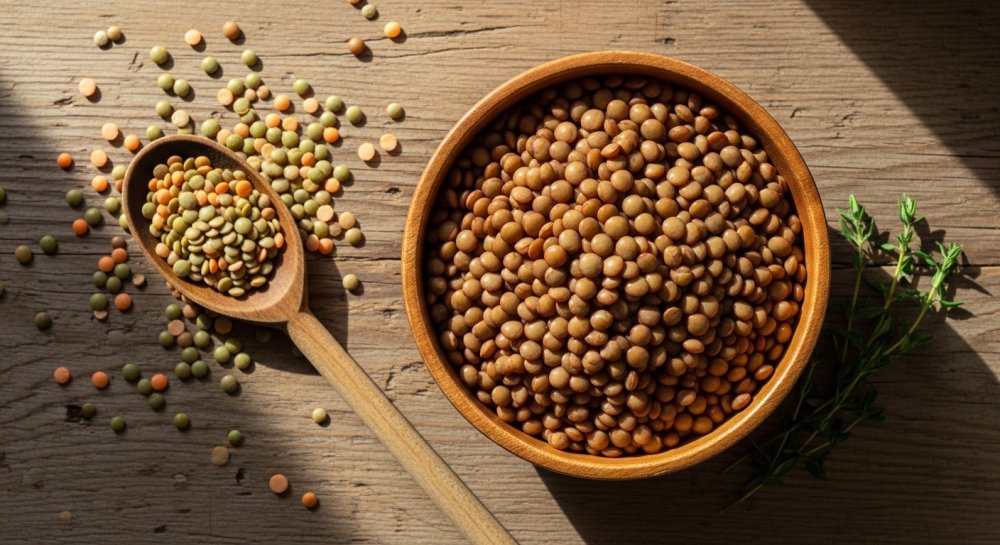
Different varieties offer subtle variations in taste and texture. Red and yellow lentils cook quickly and break down into a creamy consistency, perfect for Indian dal or thick soups. Green and brown lentils hold their shape better, making them ideal for salads and side dishes.
“Start with small amounts if you’re new to lentils, and gradually increase your intake to allow your digestive system to adjust,” Thompson advises.
Combining lentils with whole grains creates a complete protein profile containing all nine essential amino acids. This traditional food pairing, found in cuisines worldwide, demonstrates nutritional wisdom passed down through generations. Rice and lentils, a staple combination in many cultures, provides balanced nutrition without any animal products.
The antioxidant compounds in lentils, including polyphenols, help protect cells from oxidative stress and inflammation. These plant compounds may play a role in reducing the risk of chronic diseases and supporting healthy aging. Dark-colored lentils typically contain higher levels of these beneficial compounds.
For families seeking to incorporate more plant-based meals without sacrificing flavor or satisfaction, lentils offer an accessible entry point. Children often accept lentils more readily than other legumes due to their mild flavor and soft texture when cooked. Adding them to familiar dishes like spaghetti sauce or shepherd’s pie introduces nutrition without resistance.
Storage couldn’t be simpler—dried lentils keep for years in a cool, dry pantry. This shelf stability makes them ideal for emergency preparedness while ensuring a nutritious option is always available. Cooked lentils freeze well, allowing for batch cooking and convenient meal preparation.
The time-tested wisdom of traditional diets recognized lentils as a dietary cornerstone long before modern nutritional science confirmed their benefits. Today’s research validates what generations have known: these modest legumes represent one of nature’s most perfect foods, offering comprehensive nutrition that supports vibrant health at every age.
