Nutrition
The Hidden Trick That Makes Green Drinks Actually Work

Health Points
- Green drinks need specific nutrients to maximize absorption and prevent digestive discomfort
- Timing and pairing choices can dramatically impact the nutritional benefits your body receives
- Simple adjustments to preparation and consumption methods enhance both effectiveness and taste
Green drinks have become a staple in many American households, promising a quick path to better health through concentrated plant nutrition. Yet most people consuming these beverages may be missing out on their full potential due to common preparation and consumption mistakes.
The wellness industry has seen explosive growth in powdered greens and vegetable-based drinks, with Americans spending billions annually on these products. But nutrition experts say that without proper knowledge, consumers might be wasting their money and missing crucial health benefits.
Pair With Healthy Fats
Many of the vitamins in green drinks are fat-soluble, meaning they require dietary fat for optimal absorption. Vitamins A, D, E, and K cannot be properly utilized by the body without an accompanying fat source.
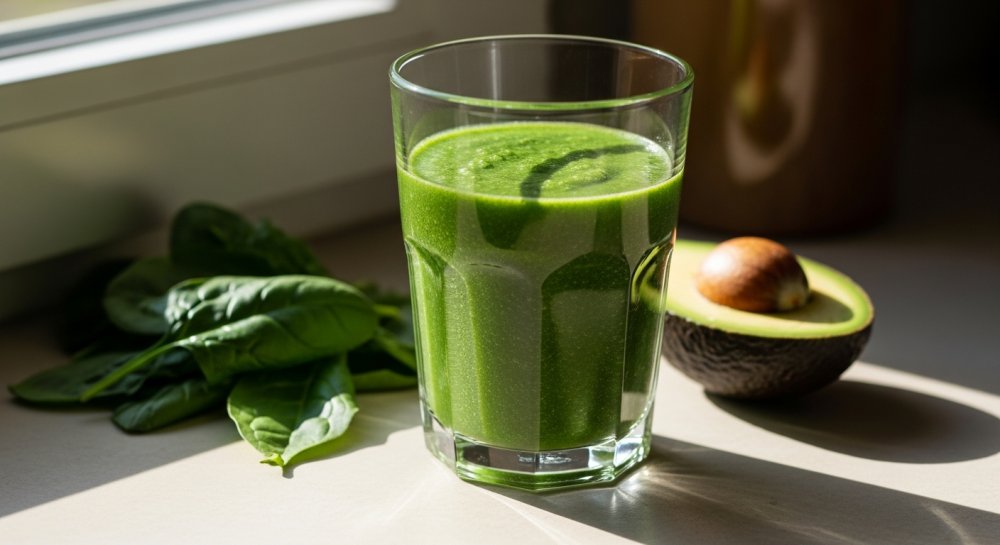
Registered dietitians recommend adding a tablespoon of nut butter, half an avocado, or a drizzle of quality olive oil to your green drink. This simple addition can multiply the bioavailability of key nutrients by up to 400%, according to nutritional research.
Without this fat component, many of the advertised health benefits simply pass through the digestive system unused. This represents not just wasted nutrition but wasted money for health-conscious consumers.
Time It Right
The timing of green drink consumption matters more than most people realize. Drinking these nutrient-dense beverages on an empty stomach can lead to digestive discomfort and reduced nutrient absorption.
Health experts suggest consuming green drinks alongside or shortly after a balanced meal. This approach allows the digestive system to process the concentrated plant compounds more effectively and prevents the blood sugar spikes that can occur when drinking them solo.
Morning consumption with breakfast has shown particularly strong results in clinical observations. The body’s natural cortisol rhythm and metabolic state make morning hours ideal for nutrient processing and energy utilization.
Add Protein for Stability
Green drinks alone often lack sufficient protein, leading to energy crashes and increased hunger shortly after consumption. This common oversight undermines their effectiveness as a health tool.
Nutritionists recommend adding a scoop of quality protein powder, Greek yogurt, or collagen peptides to create a more balanced nutritional profile. This addition stabilizes blood sugar levels and provides sustained energy throughout the morning.
The protein component also slows digestion, allowing for better absorption of the plant-based nutrients and preventing the gastrointestinal upset that some people experience with concentrated greens.
Watch Your Add-Ins
Many people inadvertently sabotage their green drinks by adding excessive amounts of fruit juice or sweeteners to mask the natural taste. These additions can transform a health beverage into a sugar-laden drink that spikes blood glucose levels.
Health professionals suggest using small amounts of naturally sweet ingredients like banana or a few berries instead of juice or honey. The goal is to make the drink palatable without overwhelming the beneficial compounds in the greens.
Temperature also matters—some nutrients in green vegetables are sensitive to heat and may be degraded if blended with very warm liquids. Room temperature or cool ingredients preserve the maximum nutritional value.
The green drink market continues to expand as Americans seek convenient ways to increase vegetable intake and support overall wellness. But effectiveness depends on proper preparation and consumption methods.
Traditional whole-food nutrition remains the gold standard, but for those incorporating green drinks into their routine, these evidence-based strategies can significantly enhance their health impact. Small adjustments to how these beverages are prepared and consumed can mean the difference between an expensive habit and a genuinely beneficial health practice.
