Nutrition
The Raw Milk Revival Is Here—But Should You Join It?

Health Points
- Raw milk sales have surged despite FDA warnings about bacterial contamination risks including E. coli, Salmonella, and Listeria
- Advocates claim unpasteurized milk offers superior nutrition and digestive benefits, though scientific evidence remains limited
- Health experts emphasize pasteurization eliminates dangerous pathogens while preserving essential nutrients and calcium
The shelves of America’s farmers markets and specialty stores are witnessing an unexpected comeback. Raw milk—unpasteurized, straight from the cow—is gaining devoted followers despite federal health warnings about its safety.
This resurgence reflects a broader movement among health-conscious Americans seeking what they view as more natural, less processed food options. Yet the debate between raw milk enthusiasts and public health officials has never been more heated.
The Food and Drug Administration has long maintained a firm stance against raw milk consumption. Their position stems from documented cases of serious illness linked to unpasteurized dairy products.
Bacterial contamination poses the primary concern. Raw milk can harbor dangerous pathogens including E. coli, Salmonella, Listeria, and Campylobacter—microorganisms that pasteurization effectively eliminates through heat treatment.
Dr. Sarah Mitchell, an infectious disease specialist at Johns Hopkins University, explains the medical community’s apprehension.
“We see patients who become severely ill after consuming raw milk products. Young children, pregnant women, older adults, and anyone with a compromised immune system faces particularly high risks.”
The Centers for Disease Control and Prevention reports that unpasteurized milk is responsible for a disproportionate number of dairy-related foodborne illnesses. Between 2007 and 2020, raw milk or raw milk cheese caused 202 disease outbreaks, resulting in 2,645 illnesses and 228 hospitalizations.
These statistics haven’t deterred raw milk advocates, who argue that proper farming practices and immediate consumption minimize contamination risks. Many point to historical consumption patterns—our grandparents drank raw milk without incident, they note.
Proponents also tout nutritional advantages. They claim raw milk contains beneficial enzymes, probiotics, and vitamins that pasteurization destroys. Some consumers report improved digestion and relief from lactose intolerance symptoms.
Mark Thompson, a third-generation dairy farmer in Pennsylvania who sells raw milk directly to consumers, defends his product’s safety record.
“We maintain rigorous cleanliness standards. Our cows are healthy, our equipment is spotless, and we test regularly. Our customers know exactly where their milk comes from.”
The legal landscape surrounding raw milk varies dramatically by state. Some states permit retail sales, others allow only direct farm purchases, and twenty-two states prohibit raw milk sales entirely. This patchwork of regulations reflects the ongoing tension between consumer choice and public health protection.
Recent concern about bird flu detection in some dairy cattle has added another dimension to the raw milk safety discussion. Health officials warn that unpasteurized milk from infected animals could potentially transmit the virus to humans, though no such cases have been confirmed.
Nutritionists largely agree that pasteurization preserves milk’s essential nutrients. Calcium, protein, vitamins A and D remain intact through the heating process. The nutritional differences between raw and pasteurized milk are minimal compared to the safety benefits pasteurization provides.
Dr. Jennifer Rodriguez, a pediatric nutritionist, emphasizes the evidence-based approach.
“Parents want the best for their children, and I understand the appeal of ‘natural’ products. But pasteurization is one of public health’s great achievements. It protects families without compromising nutritional value.”
For those considering raw milk, experts recommend thorough research and careful sourcing. If legal in your state, purchase only from licensed dairies with documented testing protocols. Never give raw milk to young children, pregnant women, or immunocompromised individuals.
The raw milk debate ultimately centers on personal choice versus collective safety. While some Americans embrace the perceived benefits of unpasteurized dairy, public health officials maintain that the risks outweigh any potential advantages.
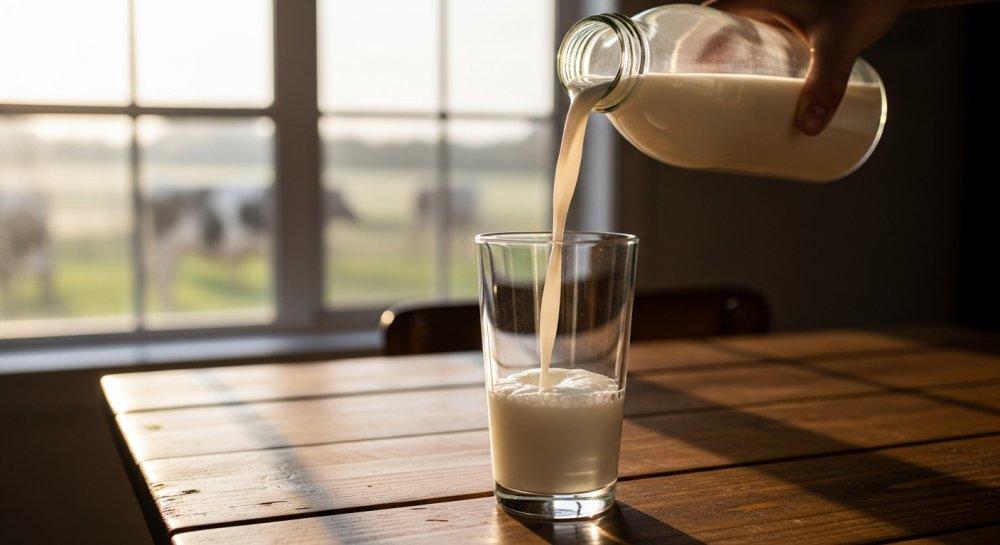
As this traditional practice experiences renewed interest, consumers face a decision that requires weighing ancestral food customs against modern food safety science. The glass of milk sitting on your table represents more than a beverage choice—it’s a statement about how we balance freedom, tradition, and health in contemporary America.
