Nutrition
Seven Summer Vegetables Nutritionists Say You Should Be Eating This Week

Health Points
- Summer vegetables offer peak nutritional value and flavor when purchased in season
- Cruciferous vegetables like broccoli and cauliflower support cellular health and immune function
- Colorful produce including tomatoes and peppers provides essential antioxidants for aging adults
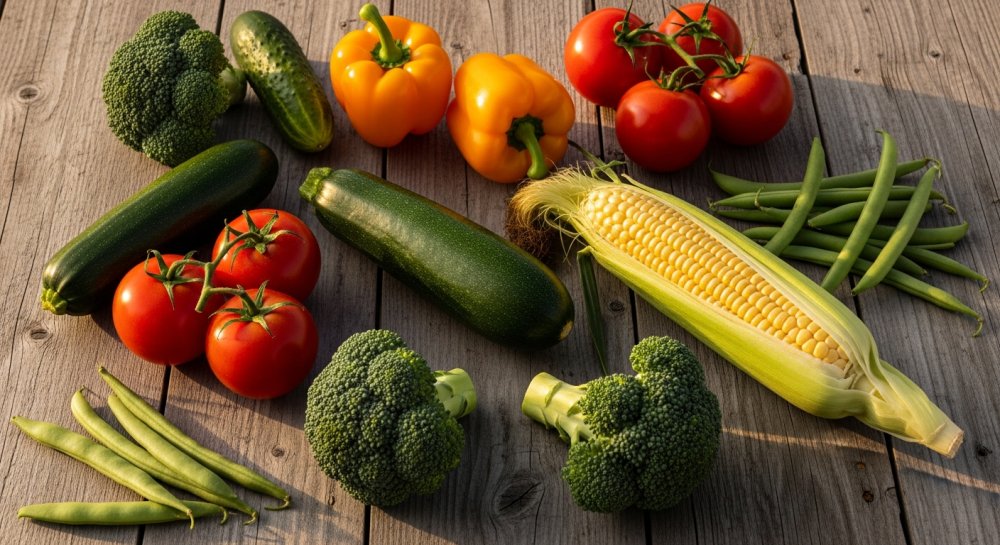
As temperatures rise and farmers markets overflow with fresh produce, nutrition experts are highlighting seven vegetables that deliver maximum health benefits for adults over 40. These seasonal selections combine superior taste with vital nutrients that support healthy aging.
“Summer is when vegetables are at their nutritional peak,” explains registered dietitian Sarah Johnson. “The combination of natural sunlight and optimal growing conditions creates produce that’s not only more flavorful but also richer in the vitamins and minerals our bodies need.”
Tomatoes lead the list with their high concentration of lycopene, a powerful antioxidant that supports heart health and may reduce inflammation. Whether enjoyed fresh in salads or cooked into sauces, tomatoes provide vitamin C and potassium while remaining low in calories. The cooking process actually increases lycopene availability, making both raw and prepared tomatoes valuable additions to any meal plan.
Bell peppers deliver exceptional vitamin C content, with a single medium pepper providing more than the daily recommended intake. Available in multiple colors, these versatile vegetables contain different antioxidant profiles depending on their ripeness. Red peppers offer the highest nutrient density, though green, yellow, and orange varieties each contribute unique health-promoting compounds.
Zucchini and summer squash provide fiber and B vitamins while maintaining extremely low calorie counts. These mild-flavored vegetables adapt easily to various cooking methods, from grilling to sautéing, making them practical options for those seeking to increase vegetable consumption without dramatically altering familiar recipes.
“The fiber content in summer squash supports digestive health, which becomes increasingly important as we age,” notes nutritionist Michael Chen. “Plus, their high water content helps with hydration during hot months.”
Cucumbers offer similar hydration benefits with their 95 percent water composition. Beyond refreshment, cucumbers provide vitamin K, which plays a crucial role in bone health and blood clotting. The skin contains additional fiber and nutrients, making unpeeled cucumbers the most nutritious choice when organic options are available.
Corn, often overlooked as a nutritional powerhouse, delivers lutein and zeaxanthin, two compounds specifically linked to eye health. These antioxidants accumulate in the retina and may help protect against age-related vision decline. Fresh corn also provides B vitamins and fiber, particularly when consumed with the germ intact.
Broccoli remains available throughout summer in many regions and continues to rank among the most nutrient-dense vegetables. Its cruciferous compounds support the body’s natural detoxification processes and may offer protective benefits against cellular damage. Broccoli provides calcium, vitamin C, and vitamin K in generous amounts relative to its calorie content.
Green beans round out the list with their combination of vitamins A, C, and K, plus folate and fiber. These legumes contain antioxidants that support immune function and may help maintain healthy blood pressure levels. Their mild flavor and satisfying texture make them accessible even to those who typically resist vegetable consumption.
Nutrition experts recommend purchasing these vegetables at peak freshness from local sources when possible. Farmers markets and community-supported agriculture programs often provide produce harvested within 24 hours, maximizing both flavor and nutritional value. For those unable to access fresh options, frozen vegetables retain most nutrients and offer convenient alternatives.
Storage methods significantly impact vegetable quality and safety. Most summer vegetables maintain optimal freshness when refrigerated promptly and consumed within five to seven days of purchase. Tomatoes prove the exception, developing better flavor when stored at room temperature until fully ripened.
“The key is variety,” emphasizes registered dietitian Lisa Martinez. “Each of these vegetables brings different nutrients to the table, so incorporating multiple types throughout the week ensures comprehensive nutritional coverage.”
Simple preparation methods preserve nutrients while enhancing natural flavors. Light steaming, quick sautéing, or raw consumption in salads all maintain vegetable integrity better than prolonged cooking at high temperatures. Adding a small amount of healthy fat, such as olive oil, can increase absorption of fat-soluble vitamins present in many summer vegetables.
For adults managing specific health conditions, these vegetables offer particular advantages. The potassium in tomatoes and zucchini supports cardiovascular function, while the fiber across all varieties aids in maintaining healthy cholesterol levels and stable blood sugar. The low calorie density of summer vegetables makes them valuable for weight management efforts.
Food safety considerations remain important during summer months when higher temperatures accelerate spoilage. Washing all produce thoroughly under running water removes surface contaminants, and proper refrigeration prevents bacterial growth. Cutting boards and utensils should be cleaned between preparing different foods to prevent cross-contamination.
The accessibility and affordability of summer vegetables create opportunities for improving dietary patterns without significant expense. Most of these seven vegetables cost less during peak season than at other times of year, making nutritious eating more financially feasible. Community gardens and home gardening provide additional avenues for obtaining fresh produce while encouraging physical activity.
Health professionals emphasize that while supplements have their place, whole food sources of nutrients offer superior absorption and additional beneficial compounds not found in isolated vitamin formulations. The combination of fiber, water, vitamins, minerals, and phytonutrients in vegetables creates synergistic effects that support overall wellness in ways single nutrients cannot replicate.
