Nutrition
The Surprising Foods Sleep Experts Say You Should Eat Right Before Bed

Health Points
- Certain foods containing tryptophan, magnesium, and melatonin can naturally improve sleep quality when eaten before bed
- Small portions of protein-rich snacks like Greek yogurt or cottage cheese help stabilize blood sugar throughout the night
- Experts recommend eating bedtime snacks 30-60 minutes before sleep and keeping portions under 200 calories
For years, health-conscious Americans have been told to avoid late-night snacking. But new research suggests that choosing the right foods before bed might actually improve your sleep quality and overall health.
Sleep specialists and nutritionists now recommend specific bedtime snacks that support natural sleep rhythms rather than disrupt them. The key is selecting foods rich in particular nutrients that promote relaxation and rest.
“Certain foods contain natural compounds that support the body’s sleep-wake cycle,” explains registered dietitian Sarah Johnson. “When chosen wisely, a small bedtime snack can actually enhance sleep quality rather than interfere with it.”
The science centers on three key nutrients: tryptophan, an amino acid that helps produce sleep-regulating hormones; magnesium, which relaxes muscles and calms the nervous system; and melatonin, the hormone that signals your body it’s time to sleep.
Greek Yogurt With Berries
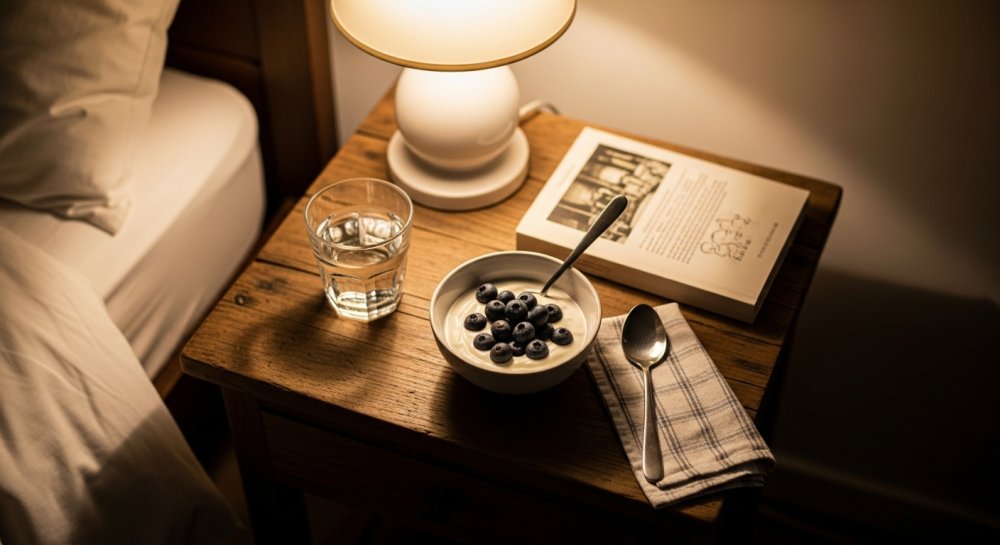
This protein-packed option helps stabilize blood sugar levels throughout the night, preventing the energy crashes that can wake you up. The calcium in yogurt also helps the brain use tryptophan to manufacture melatonin.
Choose plain, unsweetened varieties and add a small handful of berries for natural sweetness and additional antioxidants.
Cottage Cheese
Another excellent protein source, cottage cheese contains casein protein that digests slowly, providing a steady supply of amino acids while you sleep. This helps maintain muscle mass and keeps you feeling satisfied through the night.
“The slow-digesting protein in cottage cheese makes it an ideal bedtime snack,” notes nutrition researcher Dr. Michael Chen. “It helps prevent those middle-of-the-night hunger pangs that disrupt sleep.”
Almonds or Almond Butter
A small handful of almonds provides magnesium, which many Americans are deficient in. This essential mineral helps relax muscles and reduce stress hormones that can interfere with sleep.
Almond butter spread on whole grain crackers combines healthy fats with complex carbohydrates for sustained energy regulation.
Bananas
This convenient fruit is rich in both magnesium and potassium, minerals that promote muscle relaxation. Bananas also contain tryptophan and natural sugars that help tryptophan enter the brain more easily.
Tart Cherry Juice
Studies have shown that tart cherry juice is one of the few natural food sources of melatonin. Research indicates that drinking a small glass before bed may improve both sleep quality and duration.
Look for unsweetened varieties to avoid excessive sugar intake before bedtime.
Whole Grain Crackers With Cheese
This classic combination provides complex carbohydrates alongside protein and calcium. The carbohydrates help increase the availability of tryptophan in the bloodstream, while the protein provides lasting satiety.
Kiwi Fruit
Recent studies have found that eating two kiwis an hour before bed may significantly improve sleep onset and duration. Researchers believe this effect comes from the fruit’s high antioxidant content and serotonin levels.
Oatmeal
While typically considered a breakfast food, a small bowl of warm oatmeal makes an excellent bedtime snack. Oats are a natural source of melatonin and contain complex carbohydrates that promote the production of sleep-inducing hormones.
“Warm foods can have a comforting effect that promotes relaxation,” says sleep specialist Dr. Patricia Williams. “A small bowl of oatmeal with a drizzle of honey can signal to your body that it’s time to wind down.”
Turkey or Chicken
Lean poultry is famously high in tryptophan, the same compound that makes people feel sleepy after Thanksgiving dinner. A few slices of turkey or chicken breast provide this sleep-promoting amino acid without excessive calories.
Walnuts
These nuts contain melatonin along with omega-3 fatty acids that support brain health. A small handful provides healthy fats that help you feel satisfied without overloading your digestive system.
Herbal Tea With Honey
Chamomile, valerian root, and passionflower teas have been used for centuries to promote relaxation and sleep. A teaspoon of honey provides a small amount of natural sugar that can help tryptophan enter the brain.
Edamame
These young soybeans offer plant-based protein along with sleep-supporting nutrients like magnesium and calcium. They’re easy to prepare and portion control is simple.
Hummus With Vegetables
Chickpeas contain vitamin B6, which helps the body produce melatonin and serotonin. Pairing hummus with raw vegetables adds fiber and keeps calorie counts reasonable.
Dark Chocolate
In moderation, dark chocolate (70% cocoa or higher) contains magnesium and small amounts of caffeine that won’t disrupt sleep when consumed in small quantities. Limit yourself to one or two squares.
Pistachios
Among nuts, pistachios contain some of the highest levels of melatonin. They also provide protein and healthy fats that promote satiety throughout the night.
Important Guidelines
Timing matters when it comes to bedtime snacks. Experts recommend eating 30 to 60 minutes before sleep, allowing enough time for initial digestion but preventing hunger from disrupting rest.
Portion control remains essential. Even healthy snacks should be limited to about 150-200 calories to avoid overloading the digestive system.
“You want enough food to prevent hunger, but not so much that your body is working hard to digest while you’re trying to sleep,” advises Johnson.
Certain foods should be avoided before bed, including those high in fat or sugar, spicy foods that can cause heartburn, and anything containing significant caffeine. Large portions of any food can also interfere with comfortable sleep.
Individual responses vary, so pay attention to how different foods affect your sleep quality. What works well for one person may not work for another.
For those managing specific health conditions like diabetes or acid reflux, consulting with a healthcare provider about appropriate bedtime snacks is advisable. These conditions may require particular dietary considerations for nighttime eating.
The traditional advice to avoid all eating after dinner may be overly restrictive for many people. By choosing nutrient-dense foods that support natural sleep processes, a small bedtime snack can be part of a healthy lifestyle that promotes better rest and overall wellness.
