Health
The Unexpected Skin Health Benefits Hiding in Your Kitchen

Health Points
- Avocados contain vitamins E, C, and healthy fats that support skin barrier function and hydration
- Topical application may provide moisturizing benefits, though eating avocados offers more proven health advantages
- Dermatologists recommend incorporating avocados into a balanced diet for overall skin wellness
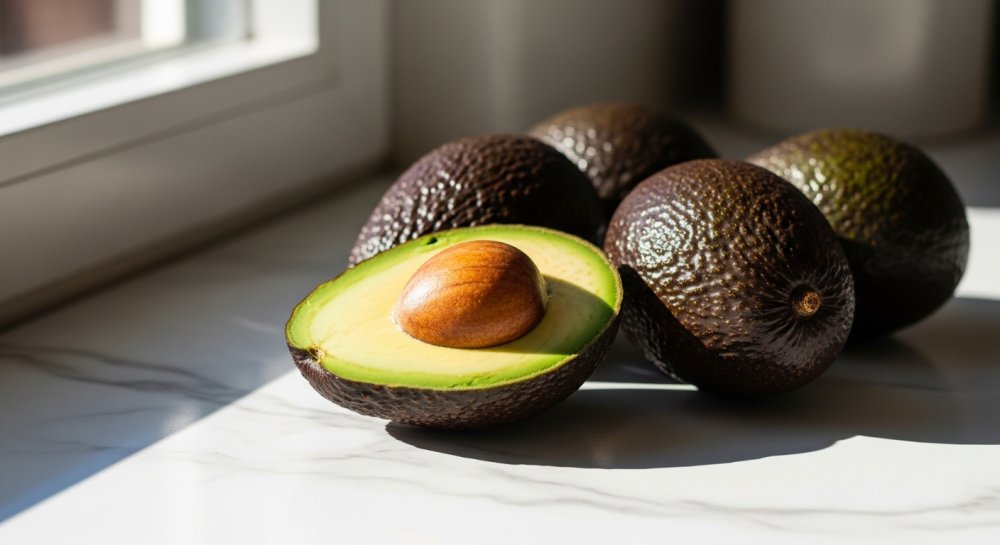
A humble fruit sitting in kitchens across America may hold surprising benefits for skin health that extend far beyond its culinary uses. Avocados, long celebrated as a nutritious food staple, are increasingly recognized by dermatologists and nutritionists for their potential to support healthy, hydrated skin from the inside out.
The creamy green fruit contains a combination of nutrients that work together to promote skin wellness. Rich in vitamins E and C, along with healthy monounsaturated fats, avocados provide building blocks that support the skin’s natural barrier function and help maintain moisture levels.
Dr. Sarah Mitchell, a board-certified dermatologist based in Dallas, explains the science behind these benefits.
“The healthy fats in avocados help support the lipid barrier of your skin, which is crucial for keeping moisture in and irritants out. Additionally, vitamin E acts as an antioxidant that protects skin cells from oxidative damage.”
Beyond their nutritional profile, avocados have found their way into topical skincare routines. Some people apply mashed avocado directly to their face as a natural moisturizing mask. While this practice has gained popularity on social media platforms, experts suggest the evidence for topical benefits remains less robust than the advantages of dietary consumption.
Registered dietitian nutritionist Amanda Chen emphasizes the importance of incorporating avocados into a well-rounded eating plan.
“When you eat avocados regularly as part of a balanced diet, you’re providing your body with nutrients that support skin health systemically. This approach tends to be more effective than topical application alone.”
The fruit’s vitamin C content plays a particularly important role in collagen production, a protein essential for maintaining skin’s structure and elasticity. As we age, collagen production naturally declines, making dietary sources of vitamin C increasingly valuable for supporting skin integrity.
For those over 40, incorporating avocado into daily meals offers a practical approach to supporting skin wellness. A quarter to half an avocado provides a substantial portion of daily vitamin E needs while delivering healthy fats that aid in the absorption of other fat-soluble nutrients.
Simple ways to add more avocado to your diet include slicing it onto whole-grain toast at breakfast, adding it to salads at lunch, or using it as a base for creamy dressings and dips. The versatility of this fruit makes it easy to include in various meals throughout the day.
While avocados offer genuine skin health benefits, dermatologists caution against viewing any single food as a miracle solution. Healthy skin results from multiple factors including overall diet quality, adequate hydration, sun protection, and a consistent skincare routine.
Dr. Mitchell offers practical advice for those looking to optimize their skin health through nutrition.
“Think of avocados as one valuable component of a skin-healthy lifestyle. Pair them with other nutrient-dense foods like berries, leafy greens, and fatty fish. Stay hydrated, protect your skin from excessive sun exposure, and maintain a gentle cleansing routine.”
For individuals with specific skin concerns or conditions, consulting with a dermatologist remains the best course of action. Professional guidance can help determine whether dietary changes, topical treatments, or other interventions might be most beneficial for individual circumstances.
The growing recognition of avocados’ skin health benefits reflects a broader understanding of the connection between nutrition and dermatological wellness. As research continues to illuminate these relationships, simple dietary choices emerge as powerful tools for supporting healthy aging and maintaining skin vitality throughout the decades.
