Nutrition
The Antioxidant Showdown Your Doctor Wishes You Knew About

Health Points
- Pomegranates contain three times more antioxidants than green tea and deliver powerful anti-inflammatory compounds
- Grapefruit provides over 100% of daily vitamin C needs in a single serving and supports weight management
- Both fruits offer unique cardiovascular benefits, with pomegranates protecting arterial health and grapefruit reducing cholesterol
Two vibrant fruits have emerged as nutritional powerhouses in the fight against aging and disease, but each offers distinctly different benefits that could transform your health after 40.
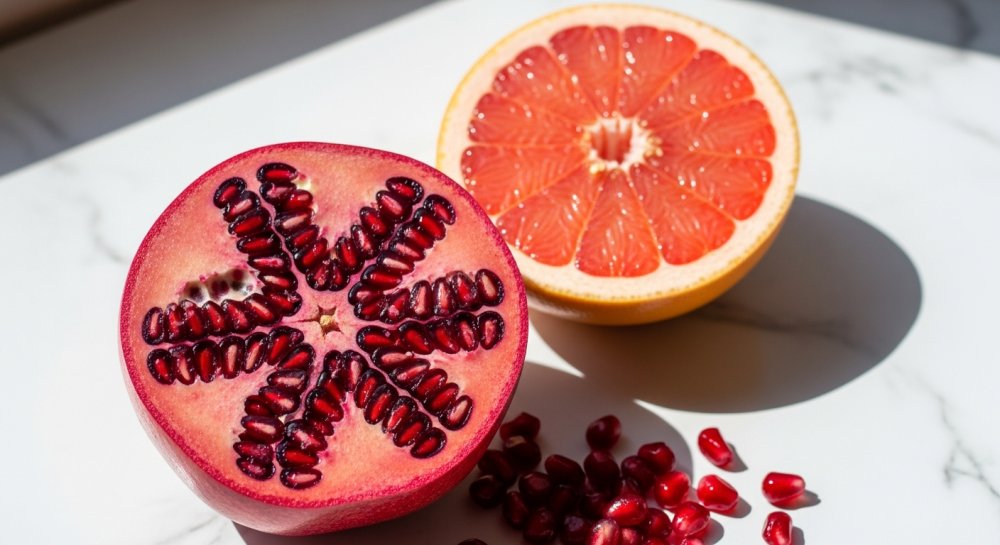
Pomegranates and grapefruits stand out in the produce aisle not just for their bold colors but for their remarkable ability to combat oxidative stress and inflammation. The question isn’t which one is superior—it’s which one better matches your specific health needs.
Registered dietitian Sarah Thompson explains the distinction:
“Pomegranates are exceptional for their polyphenol content, particularly punicalagins, which have been shown to reduce inflammation markers throughout the body. Grapefruit, on the other hand, excels at providing immune-supporting vitamin C and compounds that may aid metabolic health.”
The antioxidant profile of pomegranates places them in a category of their own. A single cup of pomegranate arils contains approximately 144 calories and delivers potent antioxidants that research suggests may protect against cellular damage.
These ruby-red seeds contain punicalagins and anthocyanins—compounds linked to reduced inflammation and improved heart health. Studies indicate that pomegranate juice may help lower blood pressure and reduce cholesterol oxidation, both critical factors for cardiovascular wellness as we age.
Grapefruit takes a different approach to supporting health. One half of a medium grapefruit contains only 52 calories yet provides more than 100% of the recommended daily value of vitamin C.
This citrus fruit also contains naringenin, a flavonoid that research associates with improved insulin sensitivity. Some studies suggest grapefruit consumption before meals may support modest weight loss, making it particularly appealing for those managing their weight in midlife.
Dr. Michael Chen, a cardiologist specializing in preventive medicine, offers this perspective:
“For patients concerned about heart disease—our leading cause of mortality—pomegranate shows particularly promising benefits for arterial health. The antioxidants appear to prevent LDL cholesterol oxidation, which is a key step in atherosclerosis development.”
The vitamin and mineral content differs notably between these fruits. Pomegranates provide vitamin K, folate, and potassium, supporting bone health and cellular function.
Grapefruit contributes vitamin A, thiamine, and potassium, with particular strength in immune-supporting nutrients. Both fruits are excellent sources of fiber, which supports digestive health and helps maintain stable blood sugar levels.
Nutritionist Amanda Rodriguez emphasizes practical considerations:
“Grapefruit interacts with numerous medications, including statins, blood pressure medications, and certain antidepressants. Anyone taking prescription drugs should consult their physician before adding grapefruit to their regular diet. Pomegranate generally has fewer medication interactions, though it can affect some blood thinners.”
The calorie difference matters for weight management. Grapefruit provides substantial nutrition for minimal calories, while pomegranate arils are more calorie-dense but offer greater antioxidant concentration.
For those managing blood sugar, both fruits have relatively low glycemic index values, though portion control remains important. The fiber content in both helps slow sugar absorption, preventing the blood sugar spikes associated with more processed foods.
Preparation and consumption patterns also differentiate these fruits. Pomegranates require more effort to prepare but can be stored as arils for convenient snacking.
Grapefruit is simpler to consume but is typically eaten fresh rather than stored. Both fruits can be juiced, though whole fruit consumption preserves more fiber and provides greater satiety.
Research continues to reveal additional benefits. Pomegranate compounds show promise in preliminary studies for supporting prostate health and cognitive function.
Grapefruit research suggests potential benefits for metabolic syndrome and insulin resistance. Both areas require further investigation but point to benefits beyond basic nutrition.
The practical choice depends on individual health priorities. Those focused on cardiovascular protection and anti-inflammatory benefits may favor pomegranates.
Individuals prioritizing weight management, immune support, and vitamin C intake may find grapefruit better suited to their needs. Both fruits can certainly coexist in a balanced eating plan.
Cost and availability also factor into sustainable choices. Grapefruit is generally more affordable and available year-round in most regions.
Pomegranates have a more limited season and higher price point, though frozen arils offer a cost-effective alternative. Budget-conscious shoppers might rotate between fruits seasonally to maximize value.
The bottom line is that both fruits deserve recognition as nutritional standouts. Rather than declaring a winner, health-conscious adults over 40 benefit most from understanding each fruit’s strengths and incorporating both into their dietary rotation based on personal health goals, medication considerations, and taste preferences.
