Health
When a Slight Temperature Rise Means More Than You Think

Health Points
- A low-grade fever ranges from 99.1°F to 100.4°F and often signals your body is fighting an infection or illness
- Common causes include viral infections, bacterial infections, stress, hormones, and certain medications
- Most low-grade fevers resolve on their own with rest and hydration, but persistent fevers warrant medical attention
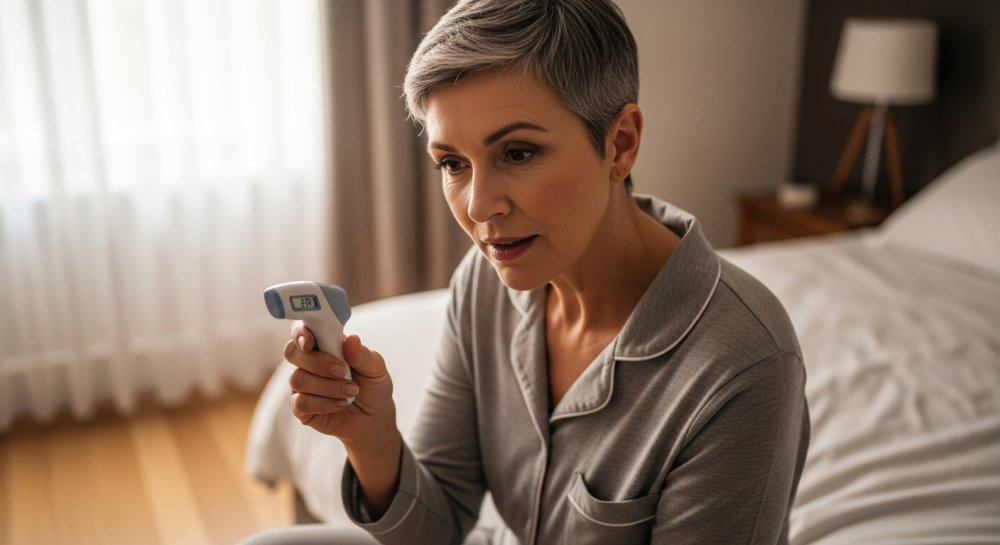
That slightly warm feeling on your forehead might be more than just a passing discomfort. Understanding what constitutes a low-grade fever — and when to take action — can help you make informed decisions about your health and well-being.
A low-grade fever is generally defined as a body temperature between 99.1°F and 100.4°F, measured orally. While it may seem minor compared to a high fever, it’s your body’s way of communicating that something deserves attention.
What Your Body Is Telling You
Dr. William Schaffner, an infectious disease specialist at Vanderbilt University Medical Center, explains that fever is actually a positive sign in many cases. “A low-grade fever indicates your immune system is actively working to fight off an infection or other challenge,” he notes.
“When your body detects harmful invaders like viruses or bacteria, it raises its temperature to create a less hospitable environment for these pathogens.”
The most common culprits behind a low-grade fever include viral infections such as the common cold, flu, or COVID-19. Bacterial infections affecting the urinary tract, sinuses, or respiratory system can also trigger this response.
Beyond infections, several other factors may cause your temperature to rise slightly. Hormonal changes during menstruation can elevate body temperature in women. Stress and anxiety sometimes manifest physically through a mild fever.
Certain medications, including antibiotics and drugs used to treat high blood pressure, may also produce this side effect. Inflammatory conditions like rheumatoid arthritis or inflammatory bowel disease frequently present with persistent low-grade fevers.
When Rest and Fluids Aren’t Enough
Most low-grade fevers resolve naturally within a few days as your body successfully fights off the underlying cause. Adequate rest, increased fluid intake, and over-the-counter fever reducers like acetaminophen or ibuprofen typically provide sufficient relief.
However, certain circumstances require professional medical evaluation. If your low-grade fever persists for more than three days without improvement, medical consultation is advisable.
Additional warning signs include severe headache, stiff neck, difficulty breathing, persistent vomiting, unexplained rash, or confusion. These symptoms may indicate a more serious underlying condition requiring prompt treatment.
For adults over 65, even a low-grade fever warrants closer attention, as older individuals may not mount robust fever responses to serious infections. Similarly, anyone with a compromised immune system should consult their healthcare provider about any fever, regardless of severity.
Supporting Your Body’s Natural Defense
While managing a low-grade fever at home, several evidence-based strategies can support your recovery. Maintain adequate hydration by drinking water, herbal teas, or clear broths throughout the day.
Dress in lightweight, breathable clothing to help regulate your body temperature naturally. Avoid the outdated practice of “bundling up” to sweat out a fever, which can actually impede your body’s cooling mechanisms.
Dr. Jennifer Lighter, a pediatric infectious disease specialist at NYU Langone Health, emphasizes the importance of monitoring your overall condition rather than fixating solely on the number on the thermometer.
“Pay attention to how you feel overall. If you’re able to stay hydrated, eat small amounts, and rest comfortably, you’re likely on the right track, even with a slightly elevated temperature.”
Taking your temperature at consistent times of day — typically morning and evening — provides the most accurate picture of your fever pattern. Body temperature naturally fluctuates throughout the day, typically running slightly higher in late afternoon and evening.
Understanding low-grade fever as a communication tool rather than an enemy empowers you to respond appropriately to your body’s signals. With proper self-care and awareness of warning signs, most people navigate these minor temperature elevations successfully while supporting their body’s natural healing processes.
