Health
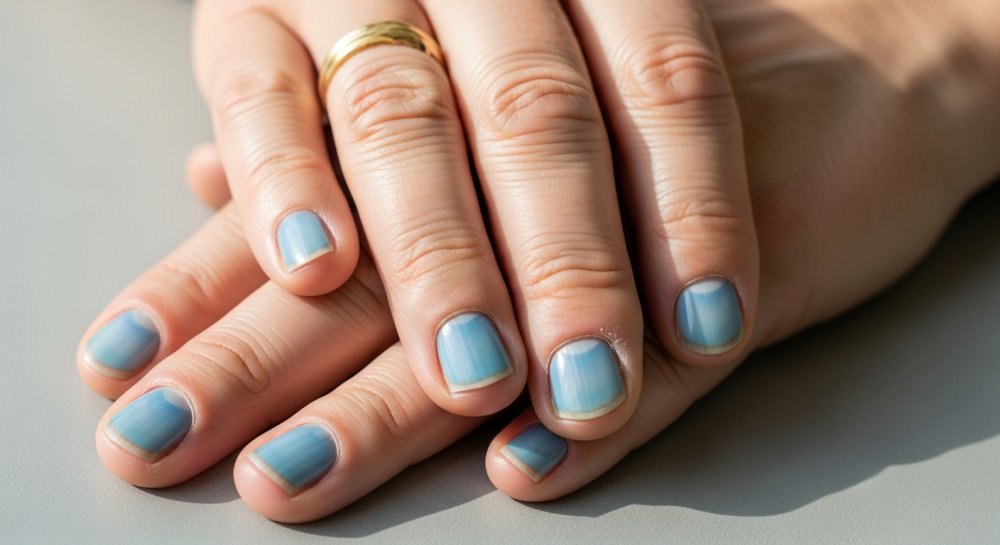
Blue Fingernails May Signal a Serious Health Warning

Health Points
- Blue fingernails, known medically as cyanosis, indicate insufficient oxygen in the blood and require immediate medical attention
- Common causes range from cold exposure and circulatory issues to serious conditions like heart disease, lung disorders, and blood abnormalities
- Prompt medical evaluation is essential when fingernails turn blue, especially if accompanied by breathing difficulty, chest pain, or confusion
Noticing a bluish tint to your fingernails can be alarming, and for good reason. This condition, known medically as cyanosis, signals that something may be preventing your blood from carrying adequate oxygen throughout your body.
While sometimes caused by temporary factors like cold weather, blue fingernails often indicate a more serious underlying health issue. Understanding what causes this color change and when to seek help can be critical for your wellbeing.
What Causes Fingernails to Turn Blue?
The bluish discoloration occurs when blood lacks sufficient oxygen. Your blood appears bright red when fully oxygenated, but takes on a darker, bluish tone when oxygen levels drop. This change becomes visible through the translucent nail bed, creating that distinctive blue appearance.
Several conditions can trigger this oxygen deficiency. Cold temperatures cause blood vessels to constrict, temporarily reducing blood flow to the extremities and giving nails a blue cast.
More concerning causes include respiratory conditions that prevent proper oxygen intake. Chronic obstructive pulmonary disease (COPD), asthma, pneumonia, and pulmonary embolism can all compromise lung function and lead to cyanosis.
Cardiovascular problems represent another major category of causes. Heart failure, congenital heart defects, and conditions affecting blood circulation can prevent oxygen-rich blood from reaching your fingertips.
Blood disorders also play a role. Methemoglobinemia, a rare condition where hemoglobin cannot effectively release oxygen to tissues, often causes pronounced blue discoloration. Polycythemia, characterized by excessive red blood cells, can similarly affect oxygenation.
Recognizing Different Types of Cyanosis
Medical professionals distinguish between two primary types of cyanosis. Peripheral cyanosis affects only the extremities—fingers, toes, hands, and feet—and typically results from poor circulation or cold exposure.
Central cyanosis, the more serious form, causes blue discoloration of the lips, tongue, and mucous membranes along with the extremities. This type indicates a systemic problem with oxygenation and demands immediate medical evaluation.
When Blue Fingernails Require Immediate Attention
Certain warning signs accompanying blue fingernails indicate a medical emergency. Seek immediate care if you experience difficulty breathing, chest pain, confusion, or loss of consciousness along with the color change.
Similarly, if the blue discoloration appears suddenly and intensely, or if it affects your lips and tongue in addition to your nails, don’t delay seeking medical help. These symptoms may indicate a life-threatening condition requiring urgent intervention.
Even without emergency symptoms, persistent blue fingernails warrant a doctor’s appointment. Your physician can perform a thorough evaluation to identify the underlying cause and recommend appropriate treatment.
Diagnostic Approach and Testing
When you visit your doctor for blue fingernails, expect a comprehensive assessment. The evaluation typically begins with measuring your blood oxygen levels using a pulse oximeter, a painless device that clips onto your finger.
Your doctor will review your medical history and perform a physical examination. They’ll ask about other symptoms, medication use, and potential exposure to toxins or chemicals.
Additional testing may include blood tests to check oxygen and carbon dioxide levels, complete blood counts, and tests for specific blood disorders. Chest X-rays or CT scans can reveal lung abnormalities, while echocardiograms assess heart function.
Treatment Options and Prevention
Treatment for blue fingernails depends entirely on the underlying cause. If cold exposure triggered the discoloration, simply warming up may restore normal color. Keeping hands warm with gloves during cold weather can prevent recurrence.
For respiratory causes, treatment might involve supplemental oxygen, bronchodilators for asthma, antibiotics for pneumonia, or medications to manage chronic lung conditions. Cardiovascular causes may require medications to improve heart function or surgical interventions for structural problems.
Blood disorders often need specialized treatment. Methemoglobinemia may respond to methylene blue medication, while polycythemia might require phlebotomy to reduce blood cell counts.
Lifestyle modifications can support overall circulatory and respiratory health. Quitting smoking stands as perhaps the single most important step for protecting lung function and improving oxygenation. Regular exercise strengthens the cardiovascular system and enhances circulation.
The Importance of Not Ignoring the Warning
Blue fingernails serve as your body’s visible alert system. While nail polish or certain dyes can temporarily stain nails blue, true cyanosis represents a physiological change that shouldn’t be dismissed.
The conditions causing blue fingernails often progress if left untreated. Early detection and intervention can prevent complications and improve outcomes, particularly for serious cardiovascular and respiratory diseases.
Pay attention to this important health signal. Your fingernails offer a window into your body’s oxygenation status, and when they turn blue, they’re telling you something needs medical attention.
Trust your instincts when something seems wrong with your body. Blue fingernails aren’t a normal variation in nail color—they indicate your tissues aren’t receiving adequate oxygen. Whether the cause proves minor or serious, getting it checked out remains the wisest course of action for protecting your health.
