Health
The Hidden Danger Lurking in Your Refrigerator Right Now

Health Points
- Listeria bacteria can survive and multiply in refrigerated foods, unlike most other foodborne pathogens
- Pregnant women, adults over 65, and those with weakened immune systems face the highest risk of severe complications
- Proper food handling and regular refrigerator cleaning can significantly reduce your exposure to this resilient bacteria
For health-conscious Americans over 40, understanding the risks hiding in everyday foods has never been more important. While most of us take for granted that our refrigerators keep food safe, one particularly dangerous bacteria defies this common assumption.
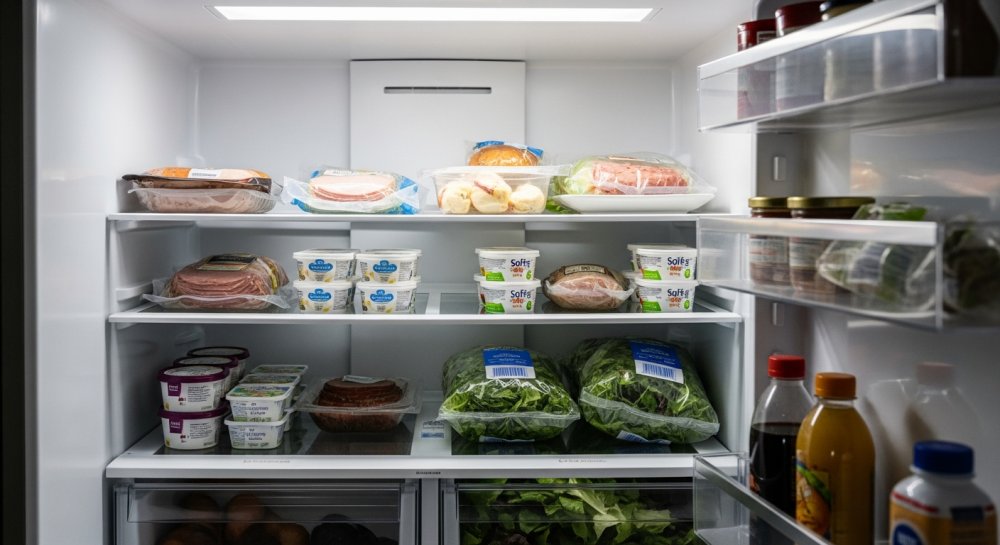
Listeria monocytogenes, the bacteria responsible for listeriosis infections, poses a unique threat because it thrives in cold temperatures where other harmful bacteria cannot survive. This resilient pathogen can contaminate ready-to-eat foods, deli meats, soft cheeses, and even pre-packaged salads—items many of us consume without a second thought.
The infection can be particularly devastating for certain populations. Pregnant women face a risk 10 times higher than the general population, and the consequences can include miscarriage, stillbirth, or severe illness in newborns. Adults over 65 and individuals with compromised immune systems also face significantly elevated risks.
“Listeria is one of the most virulent foodborne pathogens, with a mortality rate of 20 to 30 percent in high-risk groups,”
according to the Centers for Disease Control and Prevention.
Symptoms typically appear within two weeks of consuming contaminated food, though they can emerge anywhere from the same day to 70 days later. Early signs include fever, muscle aches, headache, and fatigue—symptoms easily mistaken for the flu. If the infection spreads beyond the intestines, more severe complications can develop, including meningitis and septicemia.
The good news is that prevention remains within your control through vigilant food safety practices. Heating deli meats until steaming hot kills the bacteria, as does cooking foods to proper internal temperatures. Avoiding unpasteurized dairy products and soft cheeses made from raw milk eliminates another common source of exposure.
Regular refrigerator maintenance plays a crucial role in prevention. Clean refrigerator surfaces weekly with hot, soapy water, paying special attention to areas where raw meats or deli products are stored. Keep your refrigerator temperature at or below 40°F, and consume refrigerated leftovers within three to four days.
For those in higher-risk categories, extra precautions become essential. Avoid hot dogs and luncheon meats unless they’re reheated to an internal temperature of 165°F. Skip refrigerated pâtés and meat spreads, opting instead for shelf-stable versions. When it comes to produce, thoroughly wash all fruits and vegetables under running water, even if you plan to peel them.
“Prevention is straightforward but requires consistent attention to food safety practices that many people overlook,”
notes the Food and Drug Administration in its consumer guidelines.
If you suspect you’ve consumed contaminated food or develop symptoms consistent with listeriosis, seek medical attention promptly. The infection responds to antibiotic treatment, particularly when caught early. For pregnant women experiencing fever and other flu-like symptoms after eating potentially contaminated foods, immediate medical evaluation becomes critical.
Recent years have seen numerous listeria-related recalls affecting products from ice cream to frozen vegetables. Staying informed about food recalls through FDA alerts and news updates provides another layer of protection for your family.
The traditional values of careful food preparation and proper household cleanliness that previous generations practiced offer proven protection against this modern health threat. By returning to these time-tested principles and combining them with current food safety knowledge, you can significantly reduce your risk of listeria infection.
Understanding listeria’s unique characteristics empowers you to make informed decisions about food storage, preparation, and consumption. While the bacteria presents real risks, especially for vulnerable populations, simple preventive measures incorporated into your daily routine can keep your family safe.
