Health
The Surprising Hour That Maximizes This Ancient Herb’s Benefits

Health Points
- Ashwagandha timing depends on your primary health goal—morning for stress resilience, evening for sleep support
- Research shows 300-500mg daily can reduce cortisol levels and improve stress markers within 8 weeks
- Consistent daily use matters more than perfect timing, with effects accumulating over several weeks
For centuries, practitioners of traditional medicine have turned to ashwagandha for its calming properties. Now, modern science is catching up—and revealing that when you take this adaptogenic herb may be just as important as whether you take it at all.
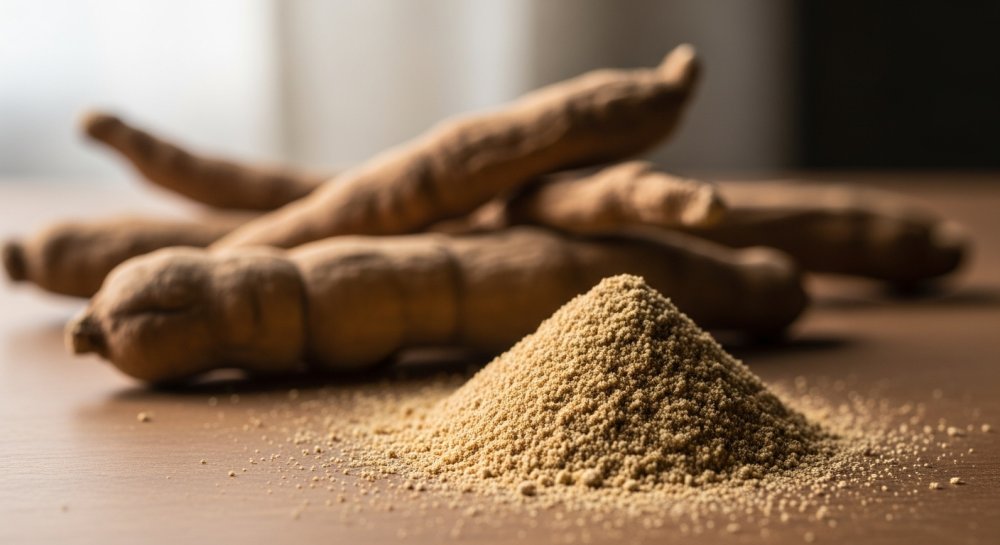
Ashwagandha, derived from the root of Withania somnifera, has surged in popularity among Americans seeking natural approaches to stress management and better sleep. But the question of optimal timing has left many supplement users guessing.
According to integrative health experts, the answer isn’t one-size-fits-all. Your ideal ashwagandha schedule depends entirely on what you’re hoping to achieve.
“If your primary concern is managing daytime stress and maintaining steady energy, taking ashwagandha in the morning with breakfast makes the most sense,” explains registered dietitian Sarah Pflugradt. “This allows the herb to work throughout your day when cortisol naturally peaks.”
Cortisol, often called the stress hormone, follows a predictable daily rhythm. Levels typically spike in the early morning to help us wake up and gradually decline throughout the day.
For those struggling with restless nights, however, evening dosing shows particular promise. Clinical studies have demonstrated that ashwagandha taken 30 minutes to two hours before bedtime can improve sleep quality and reduce the time it takes to fall asleep.
“The herb appears to support the body’s natural transition into rest mode,” notes Dr. Michael Chen, a naturopathic physician specializing in botanical medicine. “It doesn’t sedate you like a sleeping pill—instead, it helps calm an overactive stress response that might be keeping you awake.”
Research published in multiple peer-reviewed journals supports ashwagandha’s dual benefits. In controlled trials, participants taking 300-500mg daily reported significant improvements in perceived stress levels, with measurable reductions in cortisol concentrations.
Sleep studies have been equally encouraging. Adults with insomnia who took ashwagandha extract before bed experienced better sleep efficiency and felt more refreshed upon waking compared to placebo groups.
But here’s what many newcomers to ashwagandha don’t realize: timing may matter less than consistency. Unlike medications that work immediately, ashwagandha’s benefits build gradually over weeks of regular use.
“Think of it as a supportive tool rather than a quick fix,” advises Pflugradt. “Most people notice meaningful changes after four to eight weeks of daily supplementation.”
The recommended dosage typically ranges from 300-600mg per day, though some studies have used amounts up to 1,250mg safely. Starting at the lower end allows you to assess your body’s response before increasing.
Taking ashwagandha with food, particularly a meal containing some fat, may enhance absorption. The herb has a naturally bitter, earthy taste, which is why many prefer capsule or tablet forms over powders.
For individuals managing both stress and sleep concerns, some practitioners suggest split dosing—a smaller amount in the morning and a larger dose in the evening. This approach attempts to address both issues simultaneously.
“I often recommend my patients start with evening-only dosing if sleep is their main complaint,” says Dr. Chen. “Once sleep improves, we can consider adding a morning dose if daytime stress remains problematic.”
Important considerations exist before starting any supplement regimen. Ashwagandha can interact with thyroid medications, immunosuppressants, and sedatives. Pregnant women should avoid it entirely, as research on safety during pregnancy remains limited.
People with autoimmune conditions, thyroid disorders, or scheduled surgeries should consult healthcare providers before use. While generally well-tolerated, some users report mild digestive upset, especially at higher doses.
The supplement industry remains largely unregulated, making quality control a legitimate concern. Third-party testing certifications from organizations like USP or NSF provide some assurance of purity and potency.
Look for products standardized to contain specific percentages of withanolides—the active compounds believed responsible for ashwagandha’s effects. Concentrations of 5-10% withanolides are common in research-grade supplements.
Beyond timing and dosage, lifestyle factors significantly influence ashwagandha’s effectiveness. The herb works best as part of a comprehensive approach that includes adequate sleep, regular physical activity, and stress management techniques.
“No supplement can compensate for chronic sleep deprivation or unmanaged stress,” reminds Pflugradt. “Ashwagandha supports healthy stress responses—it doesn’t replace healthy habits.”
For those new to adaptogens, patience proves essential. Unlike caffeine’s immediate jolt or melatonin’s quick drowsiness, ashwagandha’s influence unfolds subtly over time.
Many users report feeling generally calmer and more resilient rather than experiencing dramatic, obvious changes. This gentle action appeals to those seeking natural support without pharmaceutical side effects.
As research continues, scientists are uncovering additional potential benefits—from supporting healthy inflammation responses to promoting cognitive function in aging adults. These areas require more study but suggest ashwagandha’s traditional reputation may have solid biological foundations.
The bottom line? Whether you’re reaching for ashwagandha to manage daily stress or improve nighttime rest, consistency matters more than perfection. Morning or evening, the best time to take ashwagandha is whenever you’ll remember to take it every single day.
