Nutrition
The Surprising Thing That Happens When You Eat Chili Every Week

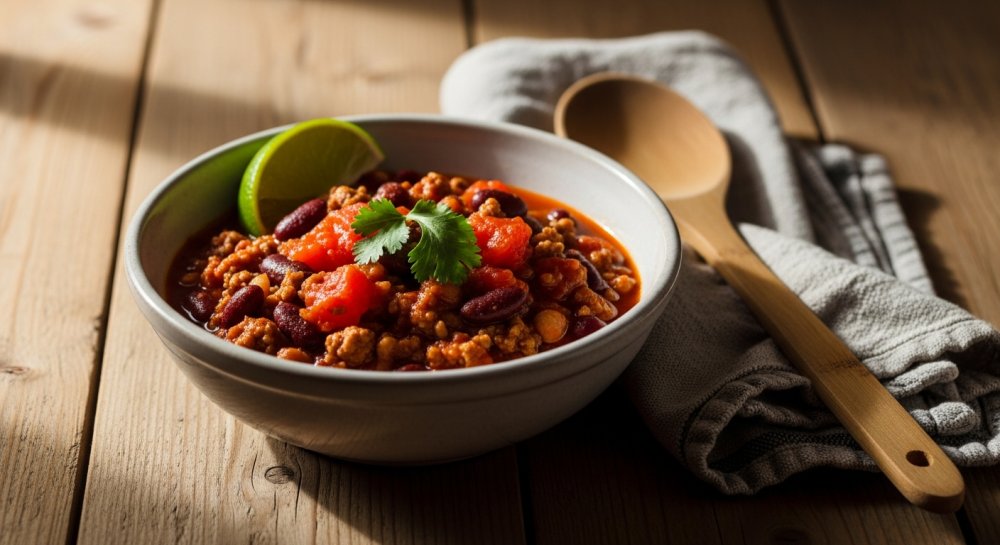
Health Points
- Regular chili consumption may support heart health, weight management, and provide immune-boosting nutrients when prepared with lean proteins and plenty of vegetables
- Traditional chili ingredients like beans, tomatoes, and peppers deliver fiber, antioxidants, and vitamins C and A while keeping sodium and saturated fat in check
- Nutrition experts recommend making chili at home with quality ingredients rather than relying on restaurant versions that often contain excessive sodium and unhealthy fats
For Americans seeking comfort food that doesn’t derail their health goals, chili has emerged as a surprisingly nutritious option that delivers both satisfaction and wellness benefits.
This classic American dish, when prepared thoughtfully at home, offers a powerhouse combination of protein, fiber, and essential nutrients that support healthy aging. The key lies in understanding which ingredients maximize benefits while keeping the recipe aligned with heart-healthy principles.
“Chili can be an incredibly nutrient-dense meal when you focus on lean proteins, plenty of beans, and a variety of vegetables,” says registered dietitian Sarah Thompson. “It’s one of those dishes where every ingredient contributes something valuable to your health.”
The foundation of traditional chili—beans—provides substantial fiber that supports digestive health and helps maintain steady blood sugar levels throughout the day. A single serving typically delivers 8-12 grams of fiber, nearly half the daily recommended intake for adults over 40.
Tomatoes, another chili staple, contain lycopene, a powerful antioxidant linked to reduced inflammation and cardiovascular protection. Research suggests regular consumption of lycopene-rich foods may support prostate health in men and reduce risk factors for certain chronic conditions.
The capsaicin found in chili peppers offers its own health advantages, including potential metabolism support and natural pain-relief properties. Some studies indicate that regular capsaicin consumption may help regulate appetite and support healthy weight management efforts.
“We’re seeing more evidence that the compounds in chili peppers have real therapeutic potential,” notes Dr. Michael Reynolds, a nutrition researcher. “Of course, moderation is key—you don’t need to make it painfully spicy to get the benefits.”
Lean ground turkey or chicken breast serves as an excellent protein base, providing essential amino acids without the saturated fat found in higher-fat beef options. For those following plant-based eating patterns, additional beans or lentils create a complete protein profile.
The nutritional profile shifts dramatically, however, when chili comes laden with excessive cheese, sour cream, and processed meats. Restaurant versions often contain 1,500-2,000 milligrams of sodium per serving—nearly the entire daily recommended limit.
“The difference between homemade chili and what you’d get at many restaurants is striking,” Thompson explains. “At home, you control the sodium, the fat content, and the quality of every ingredient.”
Home preparation allows for strategic additions that enhance both flavor and nutrition. Diced bell peppers add vitamin C and antioxidants.
Sweet potatoes or butternut squash contribute vitamin A and additional fiber. Fresh cilantro and lime juice brighten flavors without adding sodium.
For older adults managing blood pressure, preparing chili with low-sodium broth and limiting added salt makes a significant difference. Cumin, smoked paprika, garlic, and oregano provide robust flavor without compromising cardiovascular health.
The batch-cooking nature of chili offers practical advantages for those maintaining healthy eating habits. A single preparation yields multiple meals that freeze beautifully, providing ready-made nutritious options on busy evenings when takeout might otherwise seem appealing.
Portion control remains important, particularly when serving chili with cornbread or crackers that add refined carbohydrates. A reasonable serving size of 1.5 to 2 cups provides substantial nutrition without excess calories.
“Think of chili as a complete meal in a bowl,” Reynolds suggests. “You’re getting protein, complex carbohydrates, vegetables, and healthy fats if you add a small amount of avocado on top. That’s nutritional balance.”
The versatility of chili extends beyond the traditional bowl. Leftover chili serves as a nutritious topping for baked sweet potatoes, a filling for lettuce wraps, or a protein-rich addition to scrambled eggs at breakfast.
For individuals managing weight, the high protein and fiber content in properly prepared chili promotes satiety that lasts for hours. This feeling of fullness helps prevent snacking and supports calorie management without deprivation.
Recent nutritional research emphasizes the importance of meals that deliver sustained energy rather than rapid blood sugar spikes. Chili’s combination of protein, fiber, and complex carbohydrates creates exactly this type of balanced response.
“When my patients tell me they eat chili regularly, I’m usually pleased,” Thompson says. “It means they’re probably getting good nutrition in a form they actually enjoy, which is ultimately what sustainable healthy eating looks like.”
The Mediterranean diet principles that emphasize whole foods, lean proteins, and abundant vegetables align perfectly with a well-constructed chili recipe. This convergence of comfort food tradition and evidence-based nutrition makes chili an ideal choice for health-conscious home cooks.
As Americans continue seeking practical ways to eat well without sacrificing flavor or satisfaction, this humble bowl of chili stands out as a time-tested option that delivers on both fronts.
