Health
Dermatologists Reveal the Five Stages of Melanoma Every Adult Should Know

Health Points
- Melanoma progresses through five distinct stages, from stage 0 (confined to skin’s outer layer) to stage 4 (spread to distant organs)
- Early detection dramatically improves survival rates, with stage 0 and 1 melanoma nearly 100% curable when treated promptly
- Regular skin self-examinations and annual dermatologist visits are essential for catching melanoma in its earliest, most treatable phases
Understanding the stages of melanoma could save your life. This aggressive form of skin cancer affects thousands of Americans each year, but recognizing its progression early gives patients the best chance at successful treatment and recovery.
Melanoma develops in the pigment-producing cells of the skin. Unlike other skin cancers that grow slowly, melanoma can advance quickly if left untreated. Medical professionals categorize the disease into five distinct stages based on how deeply it has penetrated the skin and whether it has spread to other parts of the body.
Stage 0: Melanoma in Situ
At stage 0, also called melanoma in situ, cancerous cells remain confined to the epidermis — the outermost layer of skin. The abnormal cells have not yet invaded deeper tissue layers. This represents the earliest possible detection point.
Treatment at this stage typically involves a simple surgical procedure to remove the affected tissue. The prognosis is excellent, with nearly 100% of patients achieving complete recovery when melanoma is caught and treated at stage 0.
Stage 1: Localized Melanoma
Stage 1 melanoma has grown deeper into the skin but remains localized. The tumor measures less than 2 millimeters thick and has not spread to lymph nodes or other organs. Dermatologists further divide this stage into 1A and 1B based on specific characteristics like thickness and whether the skin surface is broken.
Surgical removal remains the primary treatment approach. The five-year survival rate for stage 1 melanoma exceeds 95%, making early detection critically important for positive outcomes.
Stage 2: Deeper Penetration
When melanoma reaches stage 2, the tumor has grown thicker — measuring more than 1 millimeter and sometimes exceeding 4 millimeters in depth. Despite this increased thickness, the cancer has not yet spread to lymph nodes or distant sites.
Stage 2 melanoma requires more extensive surgical removal with wider margins of healthy tissue. Doctors may recommend additional treatments including immunotherapy or targeted therapy to reduce recurrence risk. The five-year survival rate ranges from 65% to 80% depending on tumor thickness and other factors.
Stage 3: Regional Spread
Stage 3 represents a significant turning point. At this stage, melanoma has spread beyond the original tumor site to nearby lymph nodes or has created satellite tumors in the surrounding skin area. However, it has not yet reached distant organs.
Treatment becomes more complex and aggressive. Surgeons remove both the primary tumor and affected lymph nodes. Patients typically receive immunotherapy, targeted therapy, or clinical trial treatments to attack cancer cells throughout the lymphatic system. Survival rates vary considerably based on how many lymph nodes are involved and the extent of spread.
Stage 4: Distant Metastasis
Stage 4 melanoma means the cancer has metastasized to distant organs such as the lungs, liver, brain, or bones. This advanced stage presents the greatest treatment challenges and has the lowest survival rates.
Modern treatment advances have improved outcomes even at this late stage. Immunotherapy drugs help the immune system recognize and fight melanoma cells throughout the body. Targeted therapies attack specific genetic mutations in melanoma cells. Radiation therapy can relieve symptoms and slow tumor growth in specific areas.
While stage 4 melanoma remains serious, new treatments have extended survival times and improved quality of life for many patients. Some individuals with stage 4 disease respond remarkably well to newer therapies.
The Critical Importance of Prevention and Early Detection
The dramatic difference in survival rates between early and late-stage melanoma underscores why prevention and early detection matter so much. Regular skin self-examinations allow you to spot changes in moles or new growths before they become dangerous.
Dermatologists recommend following the ABCDE rule when examining your skin: look for moles with Asymmetry, irregular Borders, Color variations, Diameter larger than a pencil eraser, or Evolution in size, shape, or color. Any concerning changes warrant immediate medical evaluation.
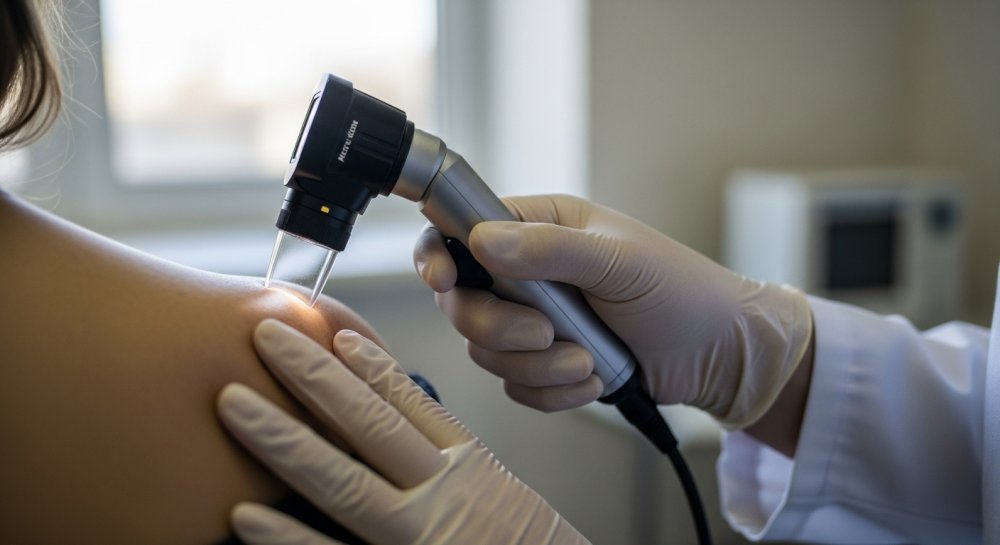
Annual skin checks by a board-certified dermatologist provide professional screening that catches problems you might miss. People with fair skin, extensive sun exposure history, family history of melanoma, or numerous moles face higher risk and may need more frequent examinations.
Sun protection remains your first line of defense. Using broad-spectrum sunscreen with SPF 30 or higher, seeking shade during peak sun hours, and wearing protective clothing significantly reduce melanoma risk. Avoiding tanning beds — which emit concentrated UV radiation — is equally important.
Understanding melanoma stages empowers you to take skin health seriously. The difference between stage 0 and stage 4 often comes down to vigilance and timely action. When caught early, melanoma is highly treatable. When ignored, it becomes life-threatening.
Schedule regular dermatology appointments, examine your skin monthly, and never dismiss concerning changes as “probably nothing.” Your awareness and proactive approach could mean catching melanoma at a stage where treatment offers an excellent prognosis instead of facing a much more difficult battle.
