Health
Eight Natural Compounds May Support Healthy Blood Flow

Health Points
- Certain foods and supplements may help support cardiovascular circulation without pharmaceutical intervention
- Compounds like omega-3 fatty acids, vitamin E, and natural enzymes show promise in supporting blood flow
- Medical supervision remains essential when considering natural alternatives, especially for those on prescription medications
For Americans over 40 concerned about heart health, the conversation around blood thinners often centers on prescription medications. Yet mounting research suggests certain natural compounds may offer complementary support for healthy circulation—a discovery that aligns with traditional wellness wisdom passed down through generations.
The body’s clotting system represents a delicate balance. Too much clotting can lead to dangerous blockages, while too little increases bleeding risk. This natural equilibrium becomes increasingly important as we age, when cardiovascular concerns become more prevalent.
Several natural substances have demonstrated potential in supporting healthy blood flow. Omega-3 fatty acids, abundant in fish oil, have long been recognized for their cardiovascular benefits. These essential fats appear to help maintain the fluidity of blood while supporting overall heart function.
Vitamin E, another natural compound with blood-thinning properties, functions as a powerful antioxidant. Found in nuts, seeds, and leafy greens, this fat-soluble vitamin has been studied for its role in preventing excessive clotting. However, experts caution against high-dose supplementation without medical guidance.
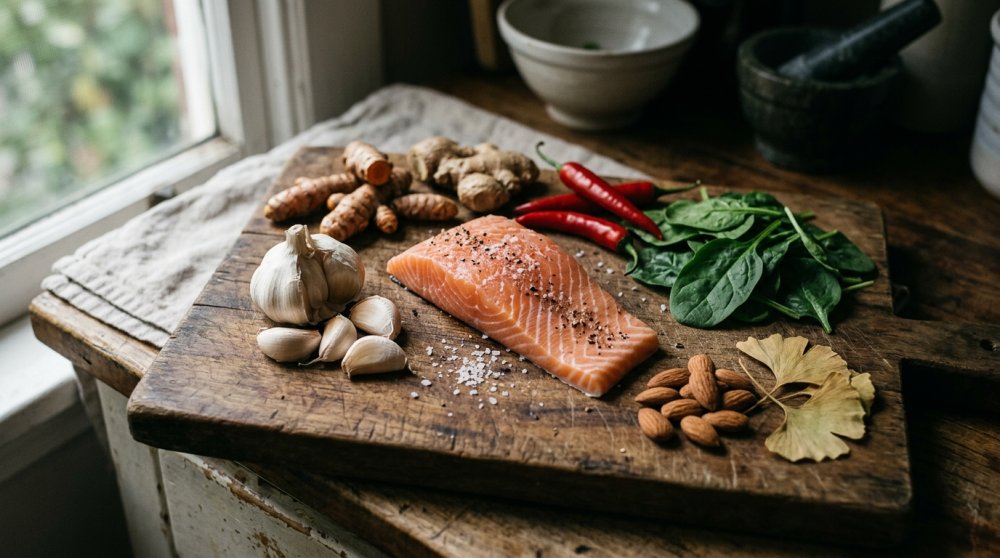
Garlic has earned its reputation as a heart-healthy food through centuries of traditional use, now backed by modern research. The sulfur compounds in garlic may help prevent platelets from clumping together excessively. Fresh garlic appears more potent than processed forms, though the characteristic odor requires social consideration.
Ginger and turmeric, staples in traditional medicine systems, contain natural compounds that may influence blood viscosity. Gingerol in ginger and curcumin in turmeric both demonstrate anti-inflammatory properties that extend to cardiovascular support. These spices integrate easily into daily cooking, offering both flavor and potential health benefits.
Ginkgo biloba, derived from one of the oldest tree species on Earth, has been used in traditional Chinese medicine for thousands of years. Modern studies suggest it may help improve circulation, though results remain mixed and quality control in supplements varies significantly.
Cayenne pepper contains capsaicin, which may promote blood flow and strengthen blood vessel walls. This fiery spice has been valued in folk medicine across cultures, though its intensity makes it challenging for some to consume regularly.
Nattokinase, an enzyme extracted from the Japanese fermented soybean dish natto, shows particular promise. Research indicates this compound may help break down fibrin, a protein involved in clot formation. Japanese populations consuming natto regularly demonstrate notably low rates of cardiovascular disease, though multiple dietary and lifestyle factors contribute to this outcome.
The appeal of natural blood thinners lies partly in their accessibility and the perception of fewer side effects compared to pharmaceuticals. Yet this perception requires careful examination. Natural doesn’t automatically mean safe, especially when combining supplements with prescription medications.
The interaction between natural blood thinners and prescription anticoagulants presents serious risks. Combining these substances can lead to dangerous bleeding complications. Anyone taking warfarin, aspirin, or newer anticoagulants must consult healthcare providers before adding supplements or significantly increasing intake of foods with blood-thinning properties.
Timing matters significantly for those scheduled for surgery. Many surgeons request patients discontinue certain supplements two weeks before procedures to reduce bleeding risk. This includes seemingly benign substances like fish oil and vitamin E.
Quality control in the supplement industry remains inconsistent. Unlike pharmaceuticals, supplements face less rigorous regulation, meaning potency and purity can vary dramatically between brands. Third-party testing provides some assurance, but consumers must research carefully.
The most prudent approach involves viewing natural blood thinners as part of a comprehensive cardiovascular strategy rather than standalone solutions. A heart-healthy diet rich in fruits, vegetables, whole grains, and lean proteins provides these compounds in balanced amounts alongside thousands of other beneficial nutrients.
Regular physical activity supports healthy circulation through multiple mechanisms beyond any single compound. Exercise strengthens the heart, improves blood vessel function, and helps maintain healthy weight—all critical factors in cardiovascular wellness.
Stress management deserves equal attention, as chronic stress impacts blood pressure and inflammation, both factors in clotting risk. Traditional practices like prayer, meditation, and community connection offer time-tested approaches to stress reduction.
For those considering natural blood thinners, starting with food sources rather than concentrated supplements offers a safer introduction. A diet incorporating fatty fish twice weekly, daily servings of leafy greens, and regular use of garlic, ginger, and turmeric provides meaningful amounts of these compounds without the risks associated with high-dose supplementation.
Testing remains important for anyone concerned about clotting risk. Simple blood tests can assess clotting factors and help guide decisions about whether intervention—natural or pharmaceutical—is warranted. Self-diagnosis based on internet research cannot replace proper medical evaluation.
The conversation with healthcare providers should include full disclosure of all supplements, herbs, and significant dietary patterns. Many physicians now show greater openness to integrative approaches, recognizing that patient preferences and beliefs impact compliance and outcomes.
Documentation of supplement use matters particularly in emergency situations. Medical personnel need complete information to provide optimal care, especially when bleeding occurs or surgery becomes necessary.
Age-related changes in medication metabolism mean older adults require particular caution with any substance affecting blood clotting. The liver and kidneys, responsible for processing these compounds, function less efficiently with advancing years, potentially leading to accumulation and increased effects.
The promise of natural blood thinners reflects a broader desire for health autonomy and alignment with traditional wisdom. These desires deserve respect, balanced with realistic assessment of both benefits and limitations. Natural compounds offer legitimate cardiovascular support within appropriate context and under proper guidance.
Moving forward, individuals can make informed choices by thoroughly researching options, maintaining open communication with healthcare providers, and recognizing that optimal heart health emerges from multiple factors working together rather than any single intervention, whether natural or pharmaceutical.
