Nutrition
The Surprising Winner in the Berry Antioxidant Showdown

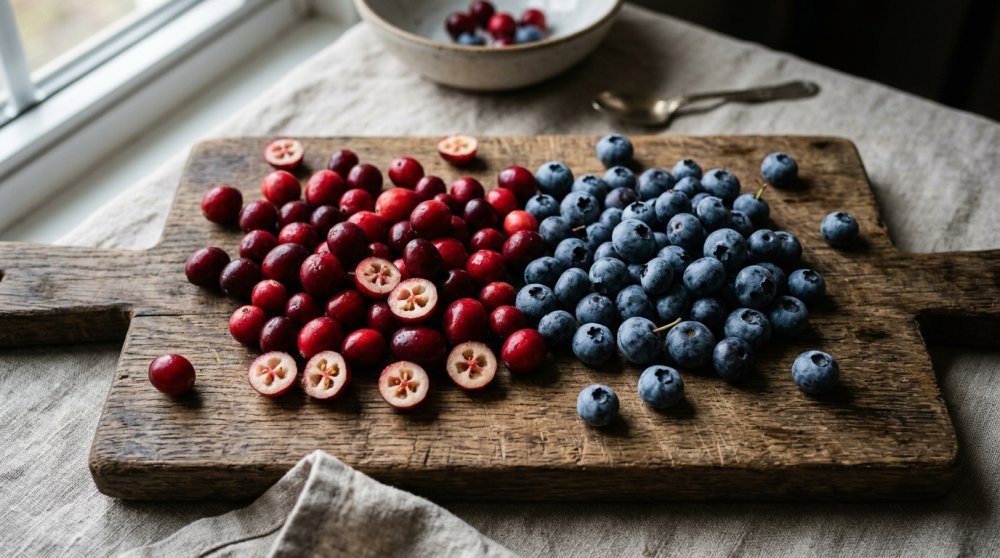
Health Points
- Cranberries contain significantly more antioxidants than blueberries, potentially offering superior protection against cellular damage and chronic disease
- Both berries provide essential fiber, vitamins, and polyphenols that support heart health, brain function, and digestive wellness
- Fresh, frozen, and dried varieties of both berries retain beneficial nutrients when incorporated into a balanced diet
For years, blueberries have dominated the conversation around superfoods, earning praise from nutritionists and health enthusiasts alike. But a closer examination of the nutritional profiles reveals that cranberries—often overlooked outside of Thanksgiving dinner—may actually deliver even more powerful health benefits.
When it comes to antioxidant content, cranberries take the lead in a significant way. These tart red berries contain higher concentrations of polyphenols and flavonoids, compounds that fight oxidative stress and reduce inflammation throughout the body. This cellular protection may translate to reduced risk of heart disease, improved cognitive function, and better defense against age-related decline.
Both berries offer impressive fiber content, supporting digestive health and helping maintain stable blood sugar levels. A cup of fresh cranberries provides approximately 4.6 grams of fiber, while the same serving of blueberries offers about 3.6 grams. For adults over 40, this fiber difference matters—digestive health becomes increasingly important for overall wellness and disease prevention.
The vitamin C content in cranberries also surpasses that of blueberries, offering immune system support that becomes especially valuable during colder months. One cup of raw cranberries contains approximately 24% of the daily recommended vitamin C intake, compared to blueberries’ 16%.
Blueberries maintain their own nutritional advantages, particularly in vitamin K content and ease of consumption. Their natural sweetness makes them more palatable for daily eating, while cranberries’ tartness often requires sweetening. This practical consideration shouldn’t be dismissed—the best nutritional choice is the one you’ll actually eat consistently.
Research has linked both berries to urinary tract health, though cranberries have received more scientific attention in this area. The proanthocyanidins in cranberries may prevent bacteria from adhering to urinary tract walls, potentially reducing infection risk. Blueberries contain similar compounds but in lower concentrations.
For brain health, both berries show promise in supporting cognitive function as we age. The anthocyanins that give both fruits their rich colors have demonstrated neuroprotective properties in multiple studies. Regular berry consumption has been associated with slower rates of cognitive decline in older adults.
The form in which you consume these berries matters significantly. Fresh and frozen varieties retain the most nutrients, while dried cranberries often contain added sugars that diminish their health benefits. Cranberry juice cocktails similarly suffer from high sugar content, potentially offsetting the berries’ natural advantages.
When selecting between the two, consider your specific health priorities. For maximum antioxidant protection and vitamin C, cranberries edge ahead. For daily snacking and vitamin K intake, blueberries offer practical advantages. The ideal approach may simply be incorporating both into your regular diet.
Both berries fit comfortably into various eating patterns, from smoothies to salads to standalone snacks. Their versatility means they can support healthy eating habits without requiring dramatic dietary changes—an important factor for sustainable wellness after 40.
Price and availability also play practical roles. Blueberries typically cost less and appear in stores year-round, while fresh cranberries have a shorter seasonal window. Frozen options for both berries provide cost-effective, nutrient-rich alternatives available throughout the year.
The bottom line: both berries deserve regular spots in a health-conscious diet. Cranberries offer superior antioxidant power and vitamin C, while blueberries provide easier consumption and their own nutritional strengths. Rather than choosing one over the other, the wisest approach involves enjoying both as part of a varied, nutrient-dense eating pattern that supports long-term health and vitality.
