Nutrition
The Science-Backed Protein Snacks Dietitians Keep in Their Gym Bags

Health Points
- Consuming 20-30 grams of protein within two hours after exercise helps muscles recover and rebuild more efficiently
- Combining protein with carbohydrates after workouts replenishes energy stores while supporting muscle repair
- Portable, nutrient-dense snacks like Greek yogurt and hard-boiled eggs offer convenient post-exercise recovery options
For fitness enthusiasts over 40, the right post-workout nutrition can make the difference between sore, sluggish recovery and energized muscles ready for the next session. Registered dietitians emphasize that what you eat immediately after exercise matters just as much as the workout itself.
“Your muscles are most receptive to nutrients in that window after exercise,” explains sports nutritionist Amanda Kostro Miller. “This is when your body is primed to absorb protein and begin the repair process.”
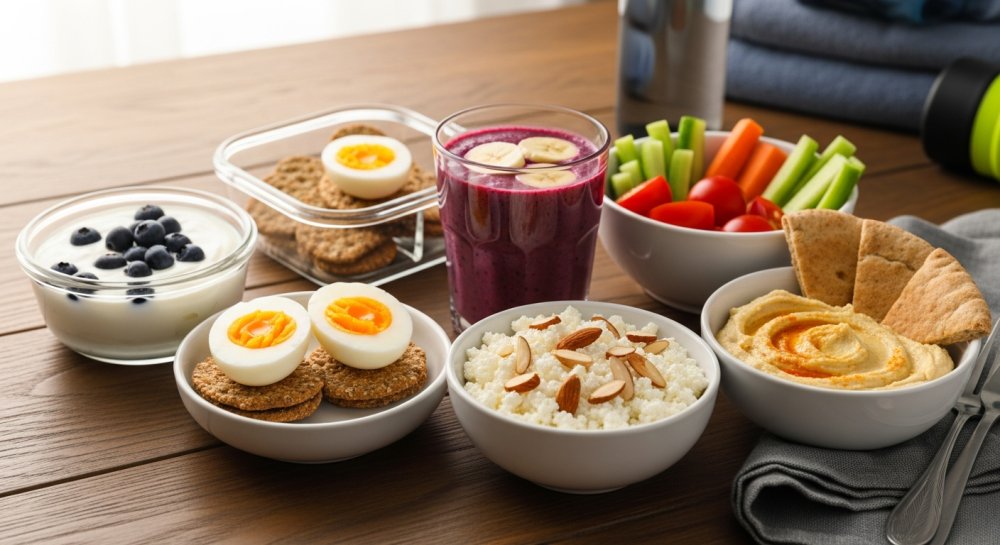
The first recommendation centers on Greek yogurt paired with fresh berries. This combination delivers approximately 15-20 grams of protein along with natural carbohydrates that help restore glycogen levels. The probiotics in yogurt also support digestive health, which becomes increasingly important as we age.
Hard-boiled eggs represent another powerhouse option that dietitians consistently recommend. Two large eggs provide 12 grams of complete protein containing all nine essential amino acids. They’re portable, require no refrigeration for several hours, and pair well with whole-grain crackers for added complex carbohydrates.
Protein smoothies rank high on the convenience scale, especially for those rushing from the gym to other commitments. Registered dietitian Sarah Schlichter suggests blending protein powder with banana, spinach, and almond butter for a nutrient-dense recovery drink that’s easy on the digestive system.
“The liquid form makes nutrients more readily available for absorption,” Schlichter notes. “Plus, you’re getting vitamins and minerals alongside your protein.”
Cottage cheese with sliced almonds offers a savory alternative that delivers both quick-digesting whey protein and slower-absorbing casein protein. This dual-action protein source provides sustained amino acid release, supporting muscle recovery for hours after consumption.
The final recommendation addresses the increasing popularity of plant-based eating: hummus with whole-grain pita or vegetables. While not as protein-dense as animal sources, chickpeas provide 15 grams of protein per cup along with fiber that promotes satiety and blood sugar stability.
Timing matters as much as food selection. Research indicates the two-hour window after exercise offers optimal nutrient uptake, though benefits extend beyond this period. For morning exercisers, these snacks can double as breakfast, while evening workout enthusiasts might consider them a light dinner component.
Hydration works hand-in-hand with protein intake. Nutritionists recommend consuming 16-24 ounces of water alongside post-workout snacks to support nutrient transport and overall recovery. For longer or more intense sessions, adding electrolytes helps restore minerals lost through perspiration.
The traditional values of discipline, preparation, and self-care align perfectly with strategic post-workout nutrition. Taking time to properly fuel your body demonstrates respect for the physical capabilities we’re blessed with and supports long-term health and vitality.
For those managing busy schedules, meal prep simplifies the process. Preparing several days’ worth of hard-boiled eggs, portioning Greek yogurt into containers, or pre-mixing smoothie ingredients saves time while ensuring quality nutrition remains accessible.
Age-specific considerations become relevant after 40, when muscle maintenance requires extra attention. Protein needs increase slightly as we mature, making these strategic snacking choices even more valuable for maintaining strength, balance, and functional independence.
Budget-conscious fitness enthusiasts will appreciate that these options remain affordable compared to specialized recovery products. Eggs, yogurt, and cottage cheese offer exceptional nutritional value per dollar spent, making healthy recovery accessible regardless of income level.
The simplicity of these recommendations reflects a return to whole-food nutrition rather than reliance on processed supplements. While protein powders serve a purpose for convenience, registered dietitians consistently emphasize that real food provides superior nutritional complexity and satisfaction.
