Health
The Growing Appeal of Naturopathic Medicine for Americans Over 40

Health Points
- Naturopathic doctors (NDs) complete four-year doctoral programs focusing on natural therapies and disease prevention
- Twenty-six states currently license NDs to practice, with scope varying by jurisdiction
- Treatment approaches combine nutrition counseling, herbal medicine, and lifestyle modifications alongside conventional care
As more Americans seek alternatives to conventional medicine, naturopathic doctors are gaining attention for their holistic approach to health. These practitioners combine traditional healing wisdom with modern medical science, offering a different pathway for those managing chronic conditions or seeking preventive care.
Naturopathic doctors hold the ND credential after completing a four-year graduate program at accredited naturopathic medical schools. The curriculum includes basic medical sciences like anatomy, physiology, and pharmacology, alongside training in botanical medicine, homeopathy, and nutrition.
“Naturopathic medicine is a distinct system of primary care that addresses the root cause of illness or disease and promotes health and healing using natural therapies,” according to the American Association of Naturopathic Physicians.
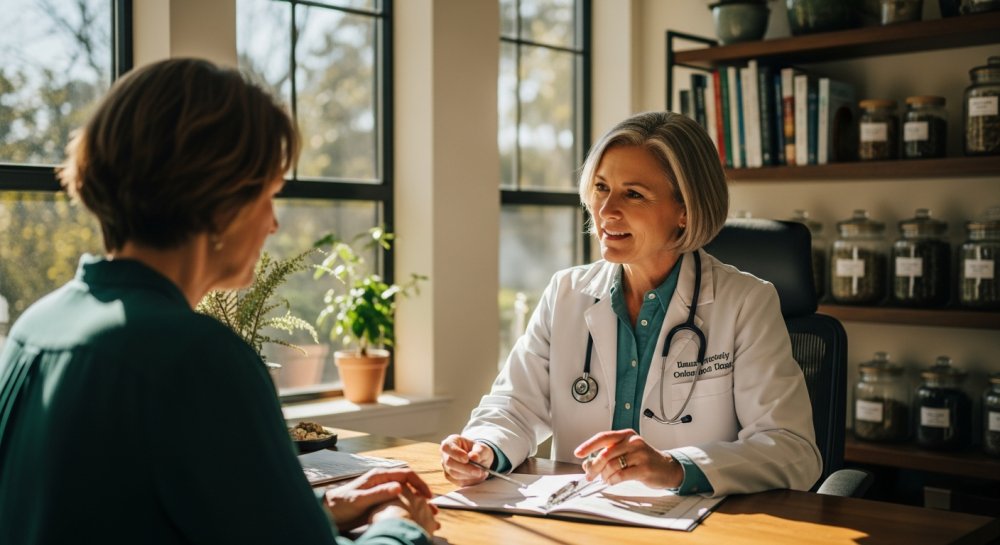
The philosophy centers on supporting the body’s inherent healing capabilities. Rather than simply treating symptoms, NDs typically spend extended consultation time identifying underlying health imbalances. Treatment plans often emphasize dietary changes, nutritional supplements, herbal remedies, and stress management techniques.
Licensing requirements vary significantly across the United States. Twenty-six states, along with the District of Columbia and the U.S. territories, currently regulate naturopathic practice. In these jurisdictions, NDs must pass board examinations and maintain continuing education credentials, similar to conventional physicians.
The scope of practice differs by state. Some states grant NDs authority to prescribe certain medications and perform minor surgical procedures. Others limit practice to non-prescription natural therapies. This patchwork of regulations makes it essential for patients to understand what services their naturopathic doctor can legally provide.
“We look at the whole person—physical, mental, emotional, and spiritual aspects,” explains one practicing naturopathic physician. “The goal is to treat the person, not just the disease.”
Common conditions that bring patients to naturopathic doctors include digestive disorders, hormonal imbalances, chronic fatigue, allergies, and autoimmune conditions. Many patients appreciate the longer appointment times, which typically range from 60 to 90 minutes for initial consultations.
Critics raise concerns about the evidence base for some naturopathic treatments. While nutrition counseling and lifestyle modifications have solid scientific support, other modalities like homeopathy remain controversial within the medical community. The American Medical Association has expressed concerns about scope of practice in states where NDs have prescribing authority.
Insurance coverage for naturopathic services remains limited but is expanding. Some health plans now include naturopathic care, particularly in states with established licensing boards. However, many patients still pay out-of-pocket for these services.
For those considering naturopathic care, experts recommend verifying credentials carefully. Prospective patients should confirm their practitioner graduated from a Council on Naturopathic Medical Education-accredited institution and holds valid state licensure where required.
Integrative approaches that combine conventional and naturopathic medicine are becoming more common. Some hospitals and medical centers now employ naturopathic doctors as part of multidisciplinary care teams. This collaborative model allows patients to benefit from both conventional diagnostics and natural therapeutic options.
“The future of healthcare may well include more integration between conventional medicine and evidence-based natural therapies,” notes a healthcare policy researcher. “Patients are increasingly seeking this combination.”
The naturopathic profession continues evolving as research expands the evidence base for natural therapies. For Americans navigating complex health challenges, naturopathic doctors offer an additional resource focused on prevention, patient education, and supporting the body’s natural healing processes.
Anyone considering naturopathic care should discuss it with their primary care physician. The most effective approach often involves coordination between all healthcare providers to ensure safe, comprehensive treatment.
