Health
What Your Lungs Can Reveal About Your Overall Health

Health Points
- Pulmonary function tests measure how well your lungs take in and release air, helping doctors diagnose conditions like asthma, COPD, and other respiratory issues
- These non-invasive tests typically involve breathing into a specialized device while seated, with results available immediately to guide treatment decisions
- Understanding your lung capacity can be crucial for maintaining quality of life as you age, especially for those over 40 who may face increased respiratory risks
When it comes to assessing your respiratory health, pulmonary function tests offer doctors a window into how well your lungs are working. These diagnostic tools have become increasingly important as healthcare providers seek to identify breathing problems early, particularly among adults entering their middle years and beyond.
The tests measure several key aspects of lung performance, including how much air your lungs can hold, how quickly you can move air in and out, and how efficiently your lungs transfer oxygen to your bloodstream. For many Americans over 40, these measurements can reveal underlying conditions that might otherwise go undetected until they become more serious.
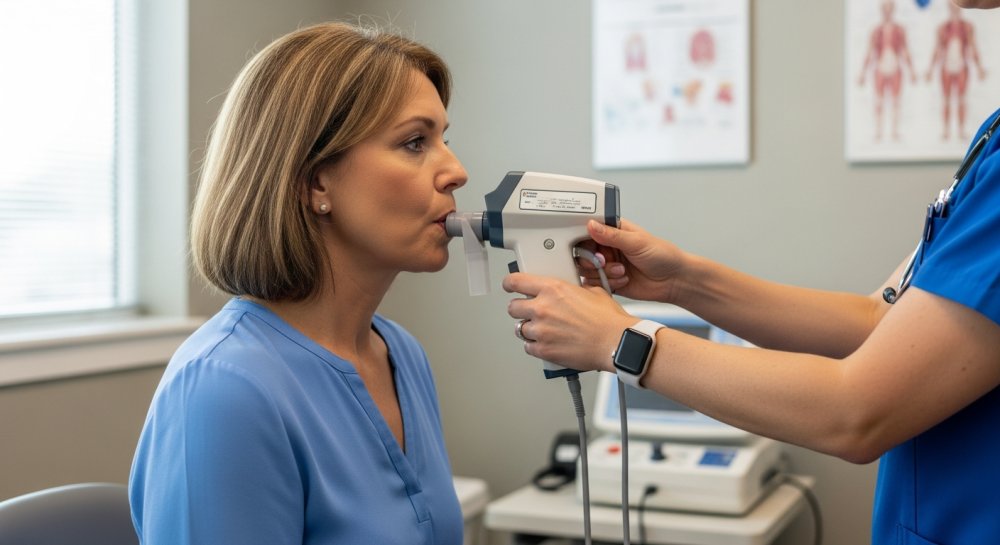
The most common type of pulmonary function test is spirometry, which requires you to take a deep breath and exhale forcefully into a tube connected to a specialized machine. The process is straightforward and painless, though it does require following specific breathing instructions carefully.
During the test, you’ll typically be seated and asked to wear a nose clip to ensure all air flows through your mouth. A technician will guide you through several breathing maneuvers, each designed to measure different aspects of lung function.
Healthcare providers often recommend these tests for patients experiencing persistent coughing, shortness of breath, or wheezing. They’re also valuable for monitoring chronic conditions like asthma or chronic obstructive pulmonary disease (COPD), which affects millions of Americans, particularly those with a history of smoking or exposure to environmental irritants.
The results from pulmonary function tests can help doctors determine whether breathing problems stem from restricted lung expansion, obstructed airways, or weakened respiratory muscles. This information proves essential for developing targeted treatment plans that address the specific nature of your condition.
For those concerned about their respiratory health, understanding these tests represents an important step in taking charge of your wellbeing. Early detection of lung problems can lead to more effective interventions and better long-term outcomes.
Beyond diagnosis, pulmonary function tests play a crucial role in tracking disease progression and evaluating how well treatments are working. Many doctors recommend periodic testing for patients with chronic respiratory conditions to ensure their management strategies remain effective.
The tests can also help identify decreased lung function before symptoms become noticeable, giving patients and their healthcare teams the opportunity to implement preventive measures. This proactive approach aligns with traditional values of personal responsibility and taking care of one’s health.
While pulmonary function tests have limitations and can’t diagnose every lung condition, they remain a cornerstone of respiratory medicine. Combined with physical examinations and medical history, they provide valuable insights that guide clinical decision-making.
For adults navigating the natural changes that come with aging, maintaining awareness of lung health becomes increasingly important. These tests offer a practical, accessible way to monitor one of your body’s most vital systems and ensure you can continue living an active, fulfilling life.
