Nutrition
Why This Simple Fruit May Help Keep Your Heart and Brain Healthy After 40

Health Points
- Grapes contain powerful antioxidants that support cardiovascular and cognitive health as we age
- Their natural compounds may help reduce inflammation and protect against chronic disease
- Eating grapes regularly can contribute to better hydration, gut health, and overall wellness
For those of us navigating our 40s, 50s, and beyond, the search for simple, natural ways to support our health can feel overwhelming. But sometimes the most powerful health allies are hiding in plain sight—right in the produce section.
Grapes, those humble fruits we often overlook or relegate to lunchboxes, pack an impressive nutritional punch that science is only beginning to fully appreciate. Research increasingly shows these small but mighty fruits may offer significant benefits for heart health, brain function, and overall vitality—exactly the areas many of us focus on as we age.
The secret lies in grapes’ unique combination of nutrients and plant compounds, particularly polyphenols like resveratrol, which have caught the attention of researchers worldwide. These natural substances work together to combat inflammation and oxidative stress, two underlying factors in many age-related health concerns.
Beyond their antioxidant properties, grapes offer practical advantages for everyday wellness. Their high water content—over 80%—makes them an excellent choice for staying hydrated, especially important as our sense of thirst can diminish with age. They’re also naturally low in calories while providing satisfying sweetness without added sugars.
The cardiovascular benefits are particularly noteworthy. Studies suggest that compounds in grapes may help maintain healthy blood pressure levels and support proper circulation. For anyone concerned about heart health—and that should include all of us over 40—incorporating grapes into a balanced diet represents a delicious and research-backed strategy.
Emerging research also points to potential cognitive benefits. The same polyphenols that protect the heart appear to support brain health, potentially helping maintain memory and mental sharpness. While grapes certainly aren’t a miracle cure, they represent the kind of whole-food approach to wellness that aligns with what we know about healthy aging.
Gut health, increasingly recognized as central to overall wellness, also benefits from regular grape consumption. The fruit contains both soluble and insoluble fiber, supporting digestive regularity and feeding beneficial gut bacteria. A healthy microbiome influences everything from immune function to mood—another compelling reason to make grapes a regular part of your routine.
Perhaps most importantly for busy adults, grapes require no preparation. They’re portable, naturally packaged, and ready to eat. This convenience factor shouldn’t be underestimated when it comes to maintaining healthy habits.
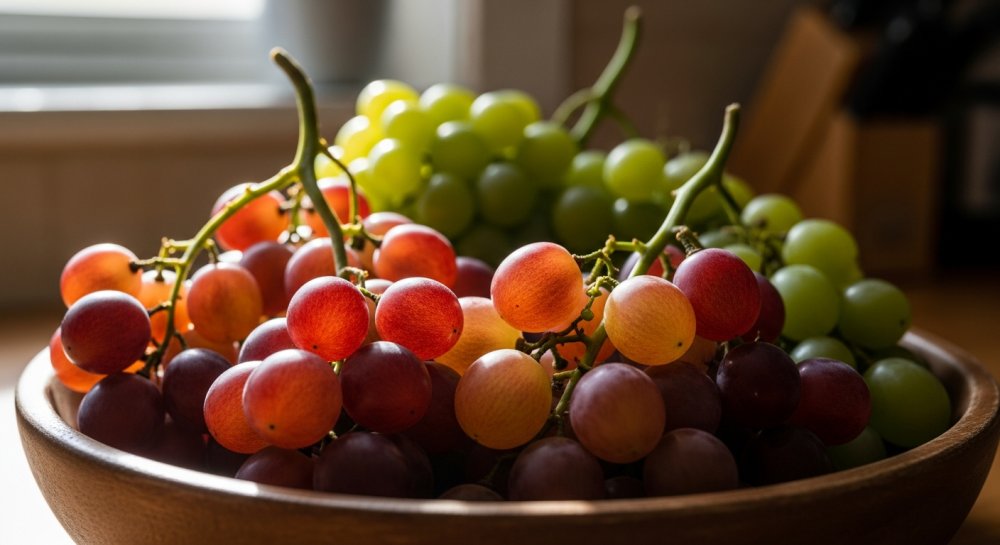
Nutritionists recommend choosing a variety of grape colors—red, green, and black—since different pigments provide different beneficial compounds. Frozen grapes make a refreshing treat, while roasted grapes can add depth to savory dishes. The key is consistency rather than quantity; regular, moderate consumption appears more beneficial than occasional large servings.
For those watching their sugar intake, it’s worth noting that while grapes do contain natural sugars, they also provide fiber and other nutrients that help slow sugar absorption. Pairing grapes with protein or healthy fats—like a handful of nuts—creates a balanced snack that won’t spike blood sugar.
As with any aspect of nutrition, grapes work best as part of an overall healthy eating pattern rather than as a standalone solution. But for a simple, accessible way to add more disease-fighting antioxidants and essential nutrients to your diet, this familiar fruit deserves a second look.
The evidence continues to grow that what we eat profoundly influences how we age. Grapes represent exactly the kind of whole, unprocessed food that supports the body’s natural defenses and helps us maintain vitality through the decades. Sometimes the best health strategies really are the simplest ones.
