Nutrition
What Happens When You Combine These Two Popular Spices

Health Points
- Turmeric and ginger are safe to take together and may offer enhanced anti-inflammatory and digestive benefits
- Both spices contain bioactive compounds that support immune function and may help reduce nausea
- Start with small amounts and consult a healthcare provider if taking blood thinners or diabetes medications
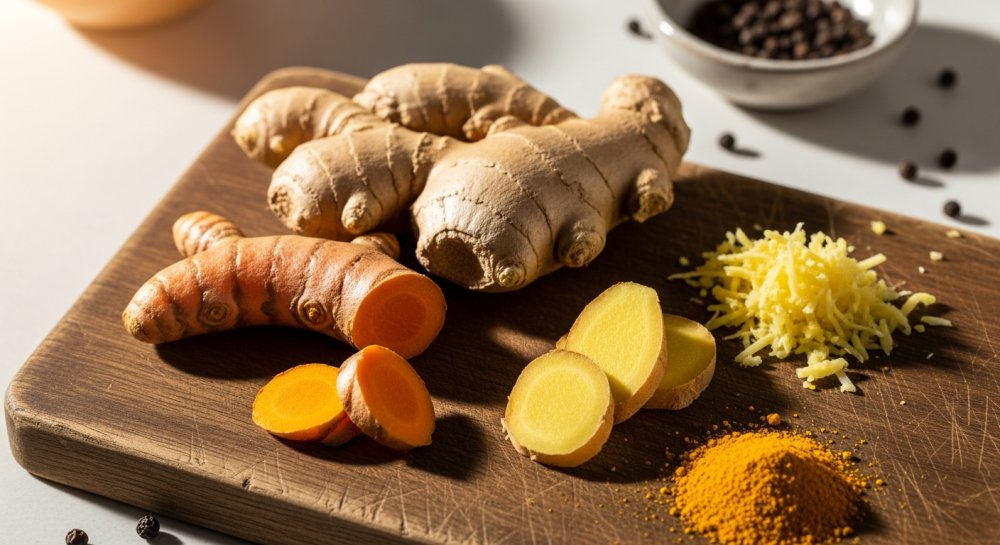
For those seeking natural wellness solutions, the spice cabinet may hold more promise than many realize. Turmeric and ginger, two golden-hued roots treasured in traditional medicine for centuries, are increasingly popular among health-conscious Americans — and research suggests combining them may amplify their benefits.
Both spices belong to the same botanical family and share powerful anti-inflammatory properties. Turmeric contains curcumin, while ginger provides gingerol — compounds that have attracted significant scientific attention for their potential health effects.
“These two spices work synergistically,” explains registered dietitian Sarah Thompson, who specializes in functional nutrition. “When consumed together, they may provide enhanced anti-inflammatory support compared to taking either one alone.”
The combination appears particularly promising for digestive health. Ginger has long been recognized for its ability to ease nausea and settle upset stomachs, while turmeric may help reduce bloating and support gut health. Together, they create a natural remedy that many find effective for occasional digestive discomfort.
Research also points to immune-boosting potential. Both spices contain antioxidants that help protect cells from damage, and their anti-inflammatory properties may support the body’s natural defense systems. This makes the pairing especially appealing during cold and flu season.
For those managing joint discomfort, the turmeric-ginger combination shows particular promise. Multiple studies have examined how these spices may help reduce inflammation associated with arthritis and age-related joint concerns. While they’re not a replacement for medical treatment, many people report noticeable improvement in mobility and comfort.
The good news for most people is that these spices are generally recognized as safe when consumed in culinary amounts. Adding them to smoothies, teas, soups, or stir-fries provides an easy way to incorporate both into daily meals.
“Start small and see how your body responds,” Thompson advises. “A quarter teaspoon of each in your morning tea or smoothie is a reasonable starting point.”
However, certain individuals should exercise caution. Both spices have mild blood-thinning properties, which means anyone taking anticoagulant medications like warfarin should consult their physician before using therapeutic amounts. The same guidance applies to those on diabetes medications, as both spices may affect blood sugar levels.
Pregnant women should also check with their healthcare provider, particularly regarding ginger, which is sometimes used for morning sickness but requires appropriate dosing.
For maximum absorption, consider pairing these spices with black pepper. Piperine, a compound in black pepper, can increase curcumin absorption by up to 2,000%. A small amount of healthy fat, such as olive oil or coconut oil, also enhances absorption since curcumin is fat-soluble.
Golden milk, a traditional Ayurvedic beverage, offers one popular way to enjoy both spices together. The drink combines turmeric and ginger with warm milk (dairy or plant-based), a pinch of black pepper, and often a touch of honey. Many people find it soothing as an evening ritual.
Fresh versus powdered forms both offer benefits, though fresh roots contain more volatile oils that contribute to flavor and aroma. Supplements are available but should be chosen carefully, as quality and potency vary significantly between brands. Look for products that have been third-party tested for purity and potency.
“The beauty of using these as whole spices in cooking is that you get the full spectrum of compounds they contain,” Thompson notes. “Supplements can be more concentrated, but they may lack the additional beneficial compounds found in the whole food.”
Some people report mild side effects when consuming large amounts, including heartburn or stomach upset. This is more common with supplements than with culinary use. If digestive issues occur, reducing the amount typically resolves the problem.
The research on turmeric and ginger continues to evolve, with ongoing studies examining their potential role in everything from heart health to cognitive function. While more research is needed to fully understand their therapeutic potential, current evidence supports their use as part of a healthy, balanced approach to wellness.
For those over 40 looking to support their health naturally, incorporating these time-tested spices into daily routines represents a low-risk, potentially high-reward strategy. As with any wellness approach, consistency matters more than dramatic changes — small daily habits tend to yield the most sustainable results.
