Nutrition
Six Protein-Rich Dinners That Will Surprise Your Family

Health Points
- Protein is essential for muscle health, immunity, and satiety — especially important as we age
- Diversifying protein sources provides a broader range of vitamins, minerals, and healthy fats
- Simple ingredient swaps can dramatically increase both protein content and meal enjoyment
When it comes to healthy dinners, many of us fall into the same routine: grilled chicken breast over white rice. While there’s nothing wrong with this classic combination, nutrition experts say expanding your protein horizons can deliver more nutrients and prevent mealtime boredom.
“Variety in your protein sources is one of the best things you can do for your overall health,” says registered dietitian Sarah Mitchell, who works with clients over 40. “Different proteins offer different amino acid profiles, vitamins, and minerals that work together to support everything from bone health to brain function.”
The good news? Getting adequate protein — roughly 25 to 30 grams per meal for optimal muscle maintenance — doesn’t require complicated recipes or exotic ingredients. Here are six satisfying alternatives that deliver on both nutrition and flavor.
1. Baked Salmon With Roasted Sweet Potatoes
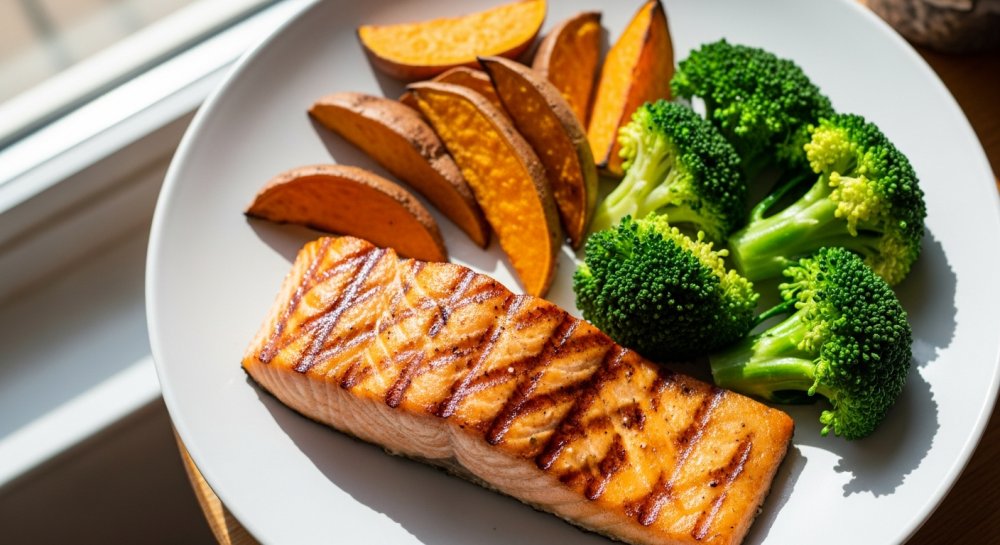
A 4-ounce serving of salmon provides about 25 grams of protein along with heart-healthy omega-3 fatty acids. Pair it with roasted sweet potatoes for complex carbohydrates and fiber, plus a side of steamed broccoli for added vitamins.
Season the salmon with lemon, dill, and a touch of olive oil, then bake at 400°F for 12-15 minutes. The sweet potatoes can roast alongside, making this a simple one-pan meal that’s ready in under 30 minutes.
2. Beef and Vegetable Stir-Fry With Quinoa
Lean beef is an excellent source of complete protein, iron, and vitamin B12 — nutrients that become increasingly important with age. A 3-ounce serving of sirloin provides roughly 26 grams of protein.
“Red meat has been unfairly demonized,” Mitchell notes. “When you choose lean cuts and practice portion control, beef can absolutely be part of a healthy diet.”
Swap out rice for quinoa, which adds an extra 8 grams of protein per cup and provides all nine essential amino acids. Load up on colorful vegetables like bell peppers, snap peas, and carrots for vitamins and antioxidants.
3. Turkey Meatballs With Zucchini Noodles
Ground turkey is a lean protein powerhouse, offering about 22 grams of protein per 3-ounce serving with less saturated fat than traditional beef meatballs. Mix in some Parmesan cheese, herbs, and a bit of almond flour as a binder.
Spiralized zucchini — often called “zoodles” — provides a nutrient-dense, low-carbohydrate base that pairs beautifully with marinara sauce. This combination keeps you satisfied without the post-pasta sluggishness many people experience.
4. Pork Tenderloin With Roasted Brussels Sprouts
Pork tenderloin is surprisingly lean, with a 3-ounce portion delivering 22 grams of protein and less fat than a skinless chicken thigh. It’s also rich in thiamine, a B vitamin essential for energy metabolism.
Roast the tenderloin with a simple rub of garlic, rosemary, and black pepper. Brussels sprouts, roasted until crispy, add fiber and vitamin K — important for bone health as we age. Add a side of mashed cauliflower for a lighter alternative to traditional mashed potatoes.
5. Shrimp Tacos With Black Beans
Shrimp is one of the leanest protein sources available, with 20 grams of protein per 3-ounce serving and minimal calories. It’s also loaded with selenium, an antioxidant that supports immune function.
Combine grilled or sautéed shrimp with black beans (which add another 7 grams of protein per half-cup) in whole wheat or corn tortillas. Top with shredded cabbage, fresh cilantro, and a squeeze of lime for a meal that feels indulgent but supports your health goals.
“The combination of seafood and legumes gives you a complete amino acid profile,” Mitchell explains. “Plus, the fiber from the beans helps with digestion and keeps blood sugar stable.”
6. Bison Burger With Sweet Potato Fries
For those who love a good burger, bison offers a leaner alternative to beef with similar protein content — about 24 grams per 4-ounce patty. Bison is also naturally raised on grass, providing higher levels of omega-3 fatty acids.
Serve on a whole grain bun with plenty of lettuce, tomato, and onion. Swap regular french fries for baked sweet potato fries seasoned with paprika and a touch of sea salt. You’ll get the satisfaction of a classic American meal with significantly more nutritional value.
Making the Transition
Nutrition experts recommend introducing variety gradually rather than overhauling your entire meal plan overnight. Try incorporating one or two of these alternatives each week, paying attention to how different proteins make you feel.
“Some people notice they have more sustained energy with certain protein sources,” Mitchell says. “It’s about finding what works for your body and your lifestyle.”
The key is consistency and balance — making sure each meal includes adequate protein paired with vegetables and healthy carbohydrates. Whether you’re managing weight, supporting muscle mass, or simply looking to feel your best, these protein-rich dinners offer delicious paths forward.
