Health
Five Common Foods That May Interfere With Your Blood Pressure Medication

Health Points
- Certain everyday foods can reduce the effectiveness of blood pressure medications or cause dangerous interactions
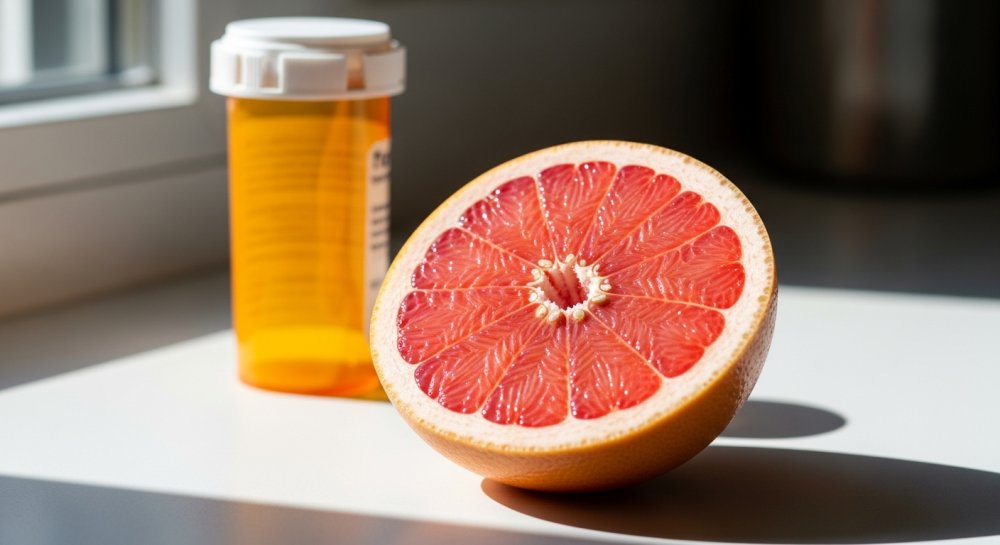
- Grapefruit and pomelo contain compounds that block enzymes responsible for breaking down many common blood pressure drugs
- Simple dietary adjustments, discussed with your doctor, can help ensure your medication works as intended
If you’re among the millions of Americans taking medication to manage high blood pressure, what you eat matters more than you might think. While a heart-healthy diet supports your treatment, certain foods can actually work against your medication—sometimes with serious consequences.
Understanding these interactions becomes especially important as we age. Blood pressure management is a cornerstone of healthy aging, helping to prevent heart attacks, strokes, and kidney disease.
The Grapefruit Problem
Grapefruit and its close relative, pomelo, top the list of foods to approach with caution. These citrus fruits contain compounds called furanocoumarins that interfere with an enzyme in your intestines responsible for breaking down many medications. When this enzyme is blocked, more of the drug enters your bloodstream than intended, potentially causing dangerously low blood pressure.
This interaction affects calcium channel blockers—a common class of blood pressure medications that includes amlodipine, nifedipine, and felodipine. Even a single glass of grapefruit juice can cause problems, and the effect can last for up to 24 hours or longer.
The good news? Other citrus fruits like oranges, lemons, and limes don’t have the same effect and remain safe choices for most people on blood pressure medication.
Salt: The Silent Saboteur
Excessive sodium intake works directly against blood pressure medications by causing your body to retain water, which increases blood volume and pressure. The average American consumes about 3,400 milligrams of sodium daily—far exceeding the recommended 2,300 milligrams, or 1,500 milligrams for those with high blood pressure.
Most dietary sodium doesn’t come from your salt shaker. Processed foods, restaurant meals, and packaged snacks are the primary culprits. Deli meats, canned soups, frozen dinners, and many condiments contain surprisingly high sodium levels.
Reading nutrition labels becomes essential. Look for products labeled “low sodium” or “no salt added,” and try seasoning foods with herbs, spices, lemon juice, or vinegar instead of salt.
Licorice and Herbal Supplements
Real licorice—not the artificially flavored candy—contains glycyrrhizin, a compound that can cause your body to retain sodium and lose potassium. This double effect can raise blood pressure and reduce the effectiveness of blood pressure medications. The interaction is significant enough that people with hypertension should avoid licorice root entirely.
Many herbal teas and supplements also contain licorice root, so check ingredient lists carefully. Some throat lozenges and digestive remedies include real licorice as well.
Alcohol: Moderation Matters
Moderate alcohol consumption—defined as up to one drink per day for women and two for men—may not pose problems for everyone on blood pressure medication. However, drinking beyond these limits can raise blood pressure, reduce medication effectiveness, and increase the risk of side effects like dizziness and fainting.
Alcohol can also interact with specific blood pressure medications in concerning ways. It may enhance the blood-pressure-lowering effects of some drugs, leading to dangerous drops in blood pressure, especially when standing up quickly.
If you choose to drink, do so mindfully and discuss your alcohol consumption honestly with your healthcare provider.
Tyramine-Rich Foods
For people taking older blood pressure medications called MAO inhibitors—though these are less commonly prescribed today—foods high in tyramine pose special risks. Tyramine is an amino acid found in aged cheeses, cured meats, fermented foods, and some alcoholic beverages.
The combination of MAO inhibitors and high tyramine intake can cause sudden, severe spikes in blood pressure. While most people on modern blood pressure medications don’t need to worry about tyramine, it’s worth mentioning to your doctor if you enjoy foods like aged cheddar, salami, sauerkraut, or draft beer.
What You Can Do
Managing blood pressure effectively requires a partnership between you and your healthcare team. Before making significant dietary changes, consult your doctor or a registered dietitian who can provide personalized guidance based on your specific medications and health status.
Keep a food diary if you notice unusual symptoms after eating certain foods. This can help identify patterns and potential interactions. Watch for signs like dizziness, excessive fatigue, irregular heartbeat, or swelling—all potential indicators that something isn’t working as it should.
Remember that medication is just one tool in blood pressure management. A diet rich in fruits, vegetables, whole grains, and lean proteins—combined with regular physical activity, stress management, and adequate sleep—creates the foundation for long-term cardiovascular health.
Taking blood pressure medication doesn’t mean you can’t enjoy delicious, varied meals. It simply means being aware of a few key interactions and making informed choices. With knowledge and planning, you can support your treatment while still savoring the foods that nourish both body and spirit.
