Nutrition
The Surprising Effects Kale Has on Your Body After 50

Health Points
- Kale provides exceptional amounts of vitamins K, A, and C, supporting bone health, vision, and immune function in adults over 40
- Regular consumption delivers powerful antioxidants that may reduce inflammation and support cardiovascular health as we age
- This nutrient-dense leafy green contains compounds that research suggests may help protect against age-related cognitive decline
For decades, kale has held its place as a nutritional powerhouse, but recent research reveals the leafy green offers specific benefits for those navigating their 40s, 50s, and beyond. This humble vegetable delivers far more than basic nutrition—it provides targeted support for the health challenges that come with aging.
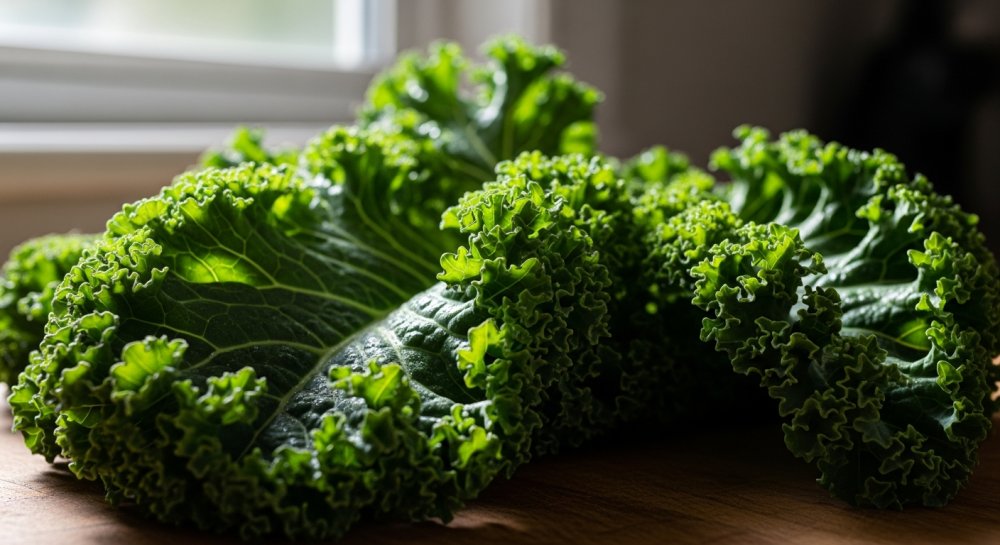
The deep green leaves pack an extraordinary nutritional profile. A single cup of raw kale contains more than 200% of the daily recommended vitamin A, over 130% of vitamin C, and a staggering 680% of vitamin K. These aren’t just impressive numbers—they translate to real benefits for aging bodies.
Vitamin K plays a critical role in bone health, something that becomes increasingly important after 40. This nutrient helps the body use calcium effectively, supporting bone density at a time when natural bone loss accelerates. Women entering menopause face particular risk, making kale’s vitamin K content especially valuable.
The antioxidants in kale work quietly but powerfully against inflammation, which researchers increasingly recognize as a driver of age-related disease. Compounds called flavonoids and carotenoids help neutralize free radicals that damage cells over time. This protective effect extends throughout the body, from the cardiovascular system to the brain.
For heart health, kale offers multiple pathways of support. Its fiber content helps manage cholesterol levels, while potassium assists in maintaining healthy blood pressure. The leafy green also contains compounds that may help prevent the oxidation of LDL cholesterol—a key step in the development of arterial plaque.
Recent studies have explored kale’s potential cognitive benefits. The combination of vitamin K, lutein, and beta-carotene appears to support brain function as we age. While research continues, early findings suggest regular consumption of leafy greens like kale may help preserve memory and thinking skills.
Eye health represents another area where kale shines, particularly for aging adults. The lutein and zeaxanthin it contains accumulate in the retina, where they help filter harmful blue light and protect against age-related macular degeneration—a leading cause of vision loss in older Americans.
Beyond individual nutrients, kale provides substantial fiber without adding many calories. This combination supports digestive health and helps maintain a healthy weight, both of which become more challenging with age. The fiber also feeds beneficial gut bacteria, supporting overall immune function.
Incorporating kale into a regular diet doesn’t require elaborate preparation. Raw kale works well in salads when massaged with a bit of olive oil to soften the leaves. Sautéing with garlic creates a simple side dish. Adding it to soups, smoothies, or egg dishes provides easy integration into familiar meals.
For those new to kale or sensitive to its slightly bitter taste, starting with smaller amounts allows the palate to adjust. Mixing it with milder greens or incorporating it into flavorful dishes can ease the transition.
Some individuals taking blood-thinning medications should consult their healthcare provider before significantly increasing kale consumption, as its high vitamin K content can affect medication effectiveness. Otherwise, this vegetable offers a safe, natural way to support health through nutrition.
The evidence suggests that this dark leafy green deserves its reputation. For adults committed to maintaining vitality and health as they age, kale provides concentrated nutrition that addresses many of the body’s changing needs. While no single food guarantees good health, making kale a regular part of your diet represents a simple, practical step toward supporting your body’s natural resilience.
