Health
The Hidden Danger Lurking in Your Backyard This Summer

Health Points
- Not all snake bites are venomous, but immediate medical attention is critical to prevent serious complications
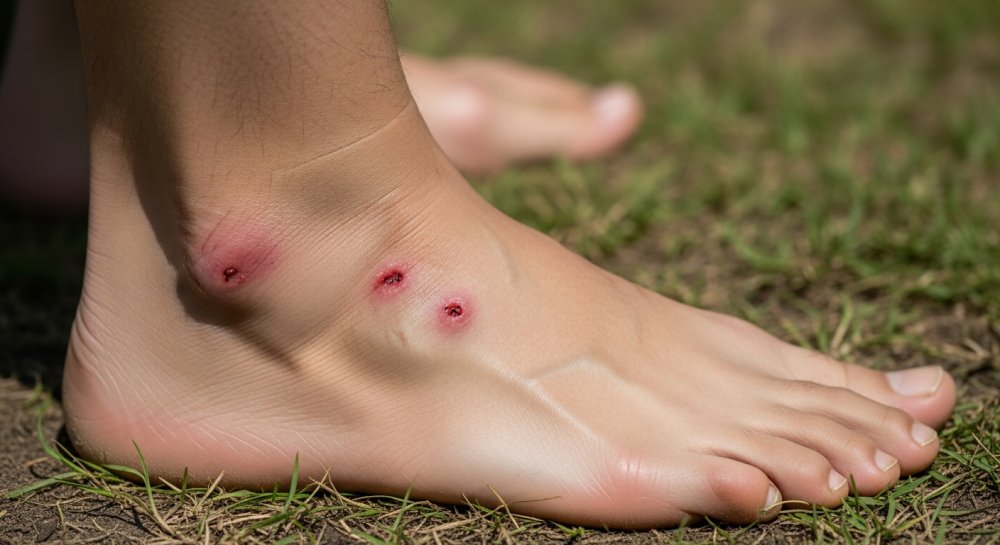
- Classic warning signs include paired puncture wounds, severe pain, swelling, and discoloration spreading from the bite area
- Quick action—calling 911, staying calm, and keeping the affected area still—can be lifesaving
With warm weather drawing more Americans outdoors, health experts are urging families to recognize the warning signs of snake bites before a pleasant afternoon turns into a medical emergency. While most encounters with snakes end harmlessly, knowing what to look for could mean the difference between a minor scare and a life-threatening situation.
Snake bites fall into two categories: venomous and non-venomous. The distinction matters tremendously, according to emergency medicine specialists who treat these cases annually.
“The immediate priority is getting medical evaluation,” says Dr. Michael Rodriguez, an emergency physician with over 15 years of experience treating snake bite victims. “Even if you think the snake wasn’t venomous, we need to assess that professionally.”
The telltale signs of a venomous snake bite typically appear within minutes. Victims usually notice two distinct puncture marks at the bite site, though these aren’t always visible depending on the angle of the strike and the snake species involved.
Pain is often the first and most obvious symptom—not just discomfort, but intense, burning pain that radiates from the wound. Within 15 to 30 minutes, swelling begins to develop around the bite area and progressively worsens.
“We see patients whose entire limb has swollen to twice its normal size,” Rodriguez notes. “The discoloration—bruising that looks dark purple or red—spreads outward from the bite. That’s venom working through tissue.”
Other warning signs include nausea, vomiting, difficulty breathing, rapid heart rate, and changes in vision. Some victims experience numbness or tingling that extends beyond the bite location. In severe cases, victims may feel dizzy, develop excessive sweating, or notice their speech becoming slurred.
Non-venomous bites, while less dangerous, still require medical attention to prevent infection. These typically present as a U-shaped pattern of small teeth marks rather than the distinctive paired puncture wounds of venomous species. Pain and swelling are usually minimal and localized.
The golden rule when someone suffers a snake bite: call 911 immediately. Time is critical with venomous bites, as antivenom works best when administered early.
While waiting for emergency responders, keep the victim calm and still. Movement accelerates venom circulation through the bloodstream. Position the bitten area below heart level if possible, and remove any jewelry or tight clothing near the bite before swelling worsens.
“I cannot stress this enough—do not attempt the old movie remedies,” Rodriguez warns. “No tourniquets, no ice, no cutting the wound, and absolutely no attempts to suck out venom. These methods don’t work and often cause additional harm.”
If it’s safe to do so without risking another bite, try to note the snake’s appearance. Color, size, and pattern help medical teams identify the species and select the appropriate antivenom. However, never attempt to capture or kill the snake—many bite victims end up with multiple strikes while trying to handle the animal.
Prevention remains the best strategy. When hiking or working outdoors in snake-prone areas, wear closed-toe boots and long pants. Watch where you place your hands and feet, especially around rocks, logs, and tall grass where snakes often hide.
Make noise while walking through brush—snakes typically flee from vibrations and prefer avoiding human contact. Most bites occur when people accidentally step on snakes or reach into areas without looking first.
At home, keep lawns trimmed and remove debris piles where snakes might shelter. Seal gaps in foundations and keep garages and sheds organized to eliminate hiding spots.
For families with children, education proves invaluable. Teach kids to recognize common venomous snakes in your region and establish a firm rule: never approach or touch any snake, even if it appears dead. Snakes can deliver venom reflexively even after death.
The Centers for Disease Control and Prevention estimates that 7,000 to 8,000 people suffer venomous snake bites annually in the United States. With proper recognition and rapid response, the vast majority of victims recover fully.
“Knowledge and quick action save lives,” Rodriguez emphasizes. “If you or someone you’re with gets bitten, don’t wait to see if symptoms develop. Get to an emergency room or call 911 right away.”
As outdoor activities peak during summer months, staying alert and informed helps families enjoy nature safely while minimizing the risks that come with sharing space with wildlife.
