Nutrition
The Tortilla Secret Your Doctor Won’t Tell You About Blood Sugar

Health Points
- Corn tortillas contain approximately 20% fewer calories and half the fat of flour tortillas
- The fiber content in corn tortillas helps slow glucose absorption and may benefit blood sugar control
- Both tortilla types can fit into a healthy diet when portion sizes are managed properly
For millions of Americans over 40 managing their weight and blood sugar levels, the choice between corn and flour tortillas might seem trivial. But registered dietitians say this simple swap at the dinner table could make a measurable difference in your health goals.
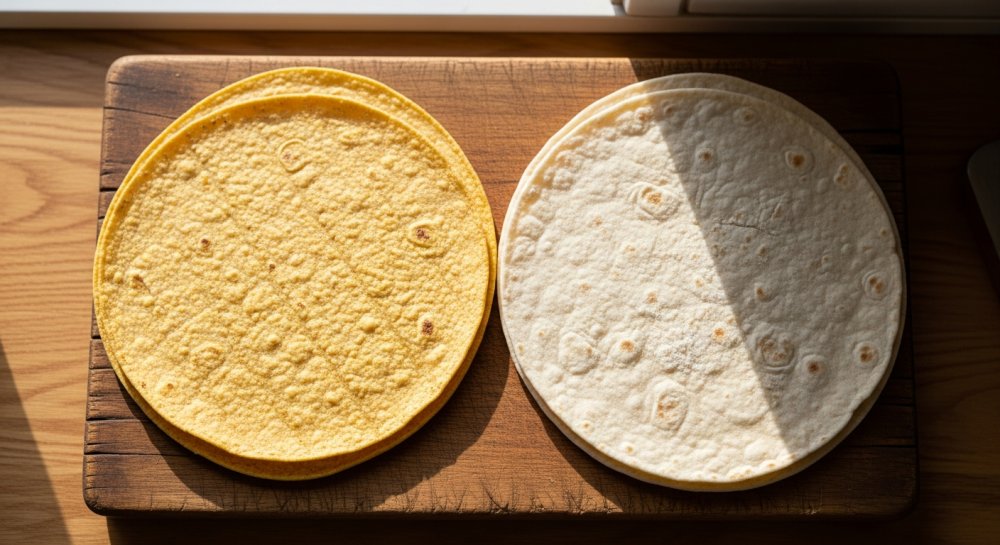
The numbers tell a compelling story. A standard corn tortilla contains roughly 50-60 calories and 1 gram of fat, while its flour-based counterpart packs 90-100 calories and 2-3 grams of fat. For someone enjoying tacos twice a week, that difference adds up over time.
“The fiber content in corn tortillas is where we see the real advantage for blood sugar management,” explains nutrition experts familiar with diabetic dietary planning. Corn tortillas typically provide 2-3 grams of fiber per serving compared to 1-2 grams in flour versions.
That extra fiber does more than support digestive health. It slows the absorption of glucose into the bloodstream, potentially helping prevent the sharp blood sugar spikes that concern pre-diabetic and diabetic individuals.
The glycemic index offers another lens for comparison. Corn tortillas generally register lower on this scale, meaning they’re less likely to cause rapid increases in blood sugar levels. For the 98 million American adults with prediabetes, such distinctions matter in daily food choices.
But flour tortillas aren’t without their merits. They provide more protein per serving and offer better pliability for wraps and burritos. Their softer texture appeals to many palates, and enriched varieties deliver added B vitamins and iron.
“The best tortilla is the one you’ll actually eat as part of a balanced diet,” nutritionists emphasize. A flour tortilla filled with vegetables and lean protein beats a corn tortilla wrapped around high-fat, processed ingredients every time.
Portion control remains paramount regardless of tortilla type. Restaurant servings often include oversized flour tortillas that can contain 200-300 calories before any fillings. Reading labels helps consumers make informed choices about what they’re actually consuming.
Whole grain varieties of both types offer enhanced nutritional profiles. Look for “100% whole wheat” or “whole grain corn” on ingredient lists. These options preserve more natural fiber, vitamins, and minerals than their refined counterparts.
For weight loss efforts, corn tortillas provide an edge through their lower calorie density. Substituting corn for flour tortillas at just three meals per week could potentially save 150-200 calories weekly—enough to support gradual, sustainable weight reduction when combined with other healthy habits.
Blood sugar considerations extend beyond the tortilla itself. What goes inside matters enormously. Lean proteins, healthy fats from avocado, and plenty of vegetables create balanced meals that minimize glucose fluctuations regardless of wrap choice.
Traditional preparation methods also influence nutritional value. Tortillas heated on a dry skillet retain their base nutrition, while frying them adds unnecessary calories and fat that undermine health goals.
Individual health conditions should guide personal choices. People with celiac disease or gluten sensitivity must avoid wheat-based flour tortillas entirely. Those monitoring sodium intake should compare brands carefully, as levels vary significantly between products.
The bottom line for health-conscious consumers: corn tortillas generally offer advantages for blood sugar control and calorie management. But both types can fit into nutritious eating patterns when chosen mindfully and paired with wholesome ingredients.
Small dietary changes accumulate into meaningful health improvements over time. Switching to corn tortillas represents one simple, sustainable modification that supports wellness goals without requiring dramatic lifestyle overhaul.
