Nutrition
Seven Morning Food Swaps That Support Healthier Blood Sugar All Day

Health Points
- Simple breakfast substitutions can help stabilize blood sugar levels and reduce energy crashes throughout the day
- Pairing protein, healthy fats, and fiber creates balanced meals that slow glucose absorption
- Traditional breakfast staples like sugary cereals and pastries spike blood sugar, while whole food alternatives provide sustained energy
Starting the day with the right breakfast choices can make a significant difference in how your body manages blood sugar throughout the morning and beyond. For Americans over 40, when metabolic changes become more pronounced, these decisions carry even greater weight for long-term health.
Nutrition experts emphasize that many conventional breakfast foods—cereals, pastries, and fruit juices—trigger rapid blood sugar spikes followed by energy-draining crashes. The solution isn’t eliminating favorite morning meals but making strategic substitutions that deliver better nutritional value.
Replace Sugary Cereal With Protein-Rich Alternatives
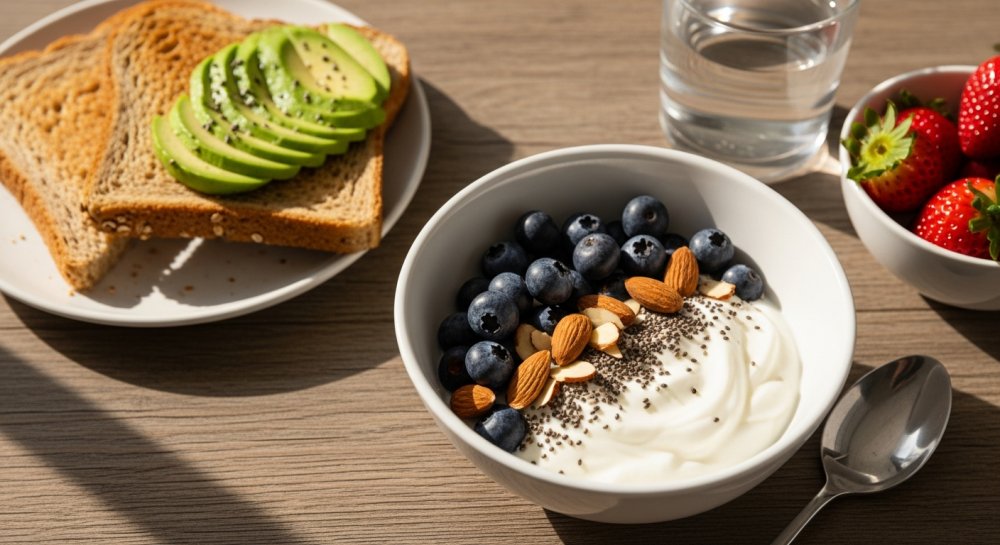
Most boxed cereals contain refined carbohydrates and added sugars that send blood glucose soaring within minutes. Dietitians recommend swapping these for Greek yogurt topped with nuts and berries, or eggs prepared any style.
These protein-dense options slow digestion and glucose absorption, providing steady energy without the mid-morning slump. Greek yogurt delivers twice the protein of regular yogurt, while eggs offer complete protein and essential nutrients that support metabolic health.
Choose Whole Grain Toast Over White Bread
White bread products strip away the fiber and nutrients found in whole grains, leaving behind simple carbohydrates that behave much like sugar in the body. Whole grain or sprouted grain breads retain their natural fiber content, which moderates blood sugar response.
When selecting bread products, look for options listing whole grains as the first ingredient and containing at least 3 grams of fiber per serving. Pairing toast with almond butter or avocado further improves the blood sugar impact by adding healthy fats and additional fiber.
Swap Fruit Juice for Whole Fruit
Even 100% fruit juice lacks the fiber present in whole fruit, causing faster sugar absorption and higher blood glucose spikes. A glass of orange juice contains the sugar of multiple oranges without the beneficial fiber that slows digestion.
Eating an actual orange, apple, or handful of berries provides the same vitamins plus crucial fiber that helps regulate blood sugar. The physical act of chewing also triggers satiety signals that juice bypasses entirely.
Trade Flavored Yogurt for Plain Versions
Fruit-flavored yogurts often contain as much sugar as desserts—sometimes 20 grams or more per serving. Plain yogurt with fresh fruit allows you to control sweetness while dramatically reducing added sugars.
Full-fat plain Greek yogurt offers the best blood sugar benefits, as the fat content further slows carbohydrate absorption. Adding cinnamon provides natural sweetness and may improve insulin sensitivity according to recent research.
Replace Pancakes With Protein Pancakes
Traditional pancakes made from refined flour cause predictable blood sugar spikes. Protein pancake alternatives using almond flour, oat flour, or protein powder create a more balanced macronutrient profile.
These versions typically contain three times the protein and significantly more fiber than conventional recipes. Topping them with nut butter instead of syrup provides healthy fats that further stabilize blood sugar response.
Choose Steel-Cut Oats Over Instant Varieties
Instant oatmeal undergoes heavy processing that breaks down fiber and increases how quickly the body converts it to glucose. Steel-cut or rolled oats require more digestion time, resulting in a gentler blood sugar curve.
Preparing oats with milk or a milk alternative instead of water adds protein and fat to the meal. Stirring in chia seeds or ground flaxseed boosts fiber content even further while adding omega-3 fatty acids.
Swap Pastries for Egg-Based Breakfast
Muffins, croissants, and danish pastries combine refined flour with substantial added sugars—a combination that wreaks havoc on blood sugar. Egg-based breakfasts like omelets, frittatas, or scrambles provide protein, healthy fats, and virtually no carbohydrates.
Adding vegetables to egg dishes increases fiber and nutrient density without impacting blood sugar. A vegetable omelet with cheese delivers sustained energy for hours while keeping glucose levels stable.
Understanding the Science Behind Blood Sugar Balance
When blood sugar spikes rapidly after meals, the pancreas releases insulin to bring levels back down. Over time, repeated spikes can lead to insulin resistance, where cells become less responsive to insulin’s signals.
This metabolic dysfunction increases risk for type 2 diabetes, heart disease, and other chronic conditions that become more common after age 40. Choosing breakfast foods that produce gradual, moderate blood sugar rises protects against these long-term health threats.
Building a Blood Sugar-Friendly Breakfast
The most effective breakfast for blood sugar management includes three components: protein, healthy fats, and fiber. This combination slows stomach emptying and carbohydrate absorption, preventing the rapid glucose spikes that trigger energy crashes.
A practical example combines scrambled eggs (protein and fat), whole grain toast (fiber), and avocado slices (healthy fat and fiber). This balanced meal provides steady energy and stable blood sugar for four to five hours.
Practical Implementation Tips
Making these swaps doesn’t require complicated meal preparation or exotic ingredients. Most substitutions use readily available whole foods found in any grocery store.
Starting with one or two changes rather than overhauling your entire breakfast routine increases the likelihood of long-term success. Once new habits feel comfortable, additional swaps become easier to incorporate.
Meal prepping breakfast components on weekends—hard-boiling eggs, portioning Greek yogurt with toppings, or preparing protein pancake batter—removes morning decision fatigue. Having blood sugar-friendly options ready to eat makes healthy choices the path of least resistance.
For those with diagnosed diabetes or prediabetes, working with a registered dietitian can provide personalized guidance tailored to individual health status and medication regimens. Blood sugar responses to foods vary between individuals, making professional support valuable for optimizing results.
These seven breakfast swaps represent straightforward, sustainable changes that support better blood sugar management and overall health. For adults navigating the metabolic changes that accompany aging, starting the day with balanced nutrition sets a foundation for sustained energy and long-term wellness.
