Lifestyle
The Sleep Essential Changing How Millions Rest at Night

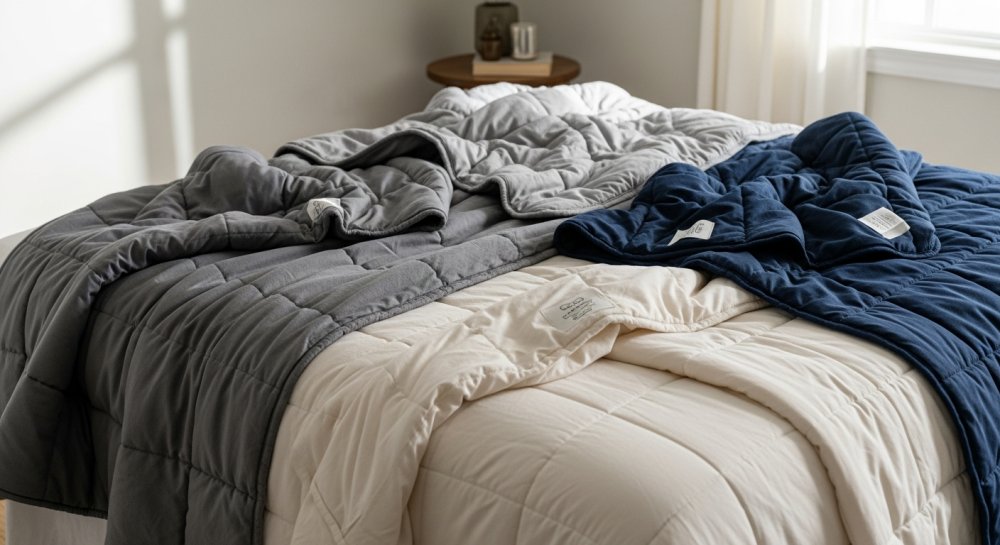
Health Points
- Weighted blankets use deep pressure stimulation to promote relaxation and reduce anxiety before sleep
- Proper weight selection matters — experts recommend choosing a blanket that’s approximately 10% of your body weight
- Quality materials and breathability significantly impact comfort and sleep temperature regulation
For those struggling with restless nights and morning fatigue, a simple bedroom addition is making a meaningful difference in sleep quality across American households.
Weighted blankets have emerged from niche therapeutic tool to mainstream sleep aid, offering a drug-free approach to better rest. These specially designed blankets use deep pressure stimulation — a gentle, distributed weight across the body — to help calm the nervous system and promote relaxation.
The science behind weighted blankets centers on their ability to trigger the release of serotonin and melatonin while reducing cortisol levels. This neurochemical shift mirrors the calming effect of a firm hug, helping many users fall asleep faster and stay asleep longer.
Sleep specialists emphasize that not all weighted blankets deliver equal results. Weight distribution, fabric breathability, and construction quality separate effective products from disappointing purchases.
The ideal weighted blanket typically ranges from 7% to 12% of your body weight. A 150-pound person, for example, would generally benefit most from a 15-pound blanket.
Beyond weight alone, material selection plays a crucial role in year-round comfort. Cotton and bamboo fabrics offer superior breathability for hot sleepers, while minky or fleece materials provide extra warmth during colder months.
Duvet-style weighted blankets with removable covers present practical advantages for maintenance and seasonal adjustments. These designs allow users to wash covers regularly without the hassle of cleaning the weighted insert.
Construction details matter more than many shoppers realize. Blankets with smaller quilted pockets — typically 4×4 inches or less — prevent the fill material from shifting and creating uncomfortable weight clusters.
Fill materials vary widely across products. Glass beads create a thinner profile and stay cooler than traditional plastic poly pellets, though both provide effective weight distribution when properly contained.
Price points range considerably, from budget options under $50 to premium models exceeding $200. Mid-range blankets between $80 and $150 typically offer the best balance of quality materials and durable construction.
Testing reveals that size selection affects both comfort and effectiveness. While personal preference varies, many users find queen-sized blankets ideal for individual use, providing ample coverage without hanging excessively over bed edges.
Potential users should consult healthcare providers before purchasing if they have respiratory conditions, circulatory issues, or chronic health concerns. Weighted blankets aren’t recommended for children under two years old or anyone unable to remove the blanket independently.
For those experiencing mild to moderate sleep difficulties or stress-related restlessness, weighted blankets represent an accessible, non-pharmaceutical intervention worth considering. The initial adjustment period typically lasts just a few nights as the body adapts to the sensation.
Maintenance requirements remain straightforward for most models. Spot cleaning handles minor issues, while machine-washable covers simplify regular cleaning for those choosing duvet-style options.
The growing popularity of weighted blankets reflects broader consumer interest in natural wellness solutions. As more Americans prioritize sleep quality and seek alternatives to sleep medications, these therapeutic blankets continue gaining recognition as practical tools for better rest.
