Nutrition
Seven Surprising Dairy Foods Pack More Gut-Friendly Bacteria Than Your Morning Yogurt

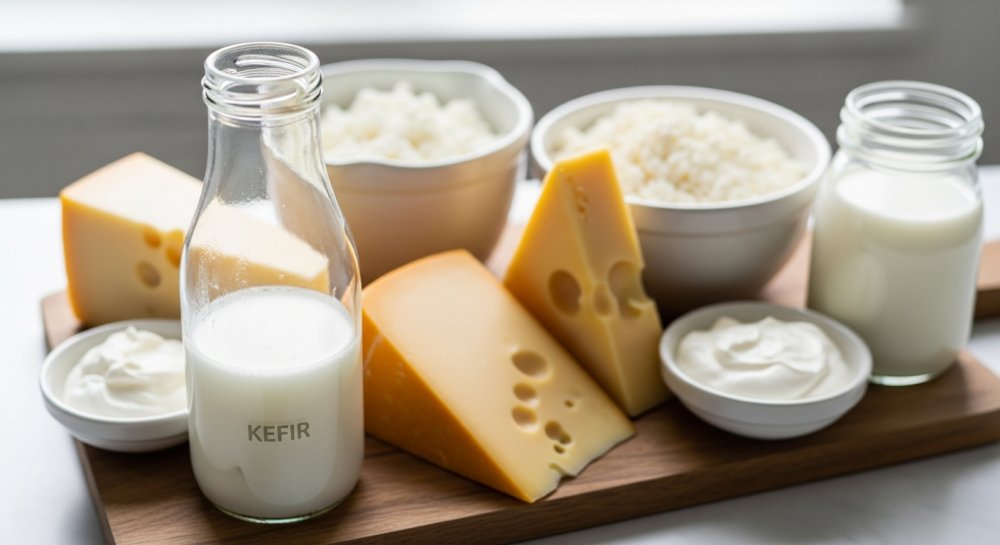
Health Points
- Fermented dairy products like kefir and aged cheeses contain higher probiotic counts than traditional yogurt
- Buttermilk and sour cream offer beneficial bacteria strains that support digestive health and immunity
- Proper storage and choosing unpasteurized varieties can maximize probiotic benefits in dairy foods
For years, yogurt has been marketed as the go-to dairy option for anyone seeking a healthy dose of probiotics. But nutritionists are now highlighting seven fermented dairy alternatives that deliver even more beneficial bacteria to support gut health.
These traditional dairy foods have been consumed for centuries, yet many Americans remain unaware of their superior probiotic content. From tangy kefir to aged cheeses, these options provide diverse strains of live cultures that can enhance digestion and boost immune function.
Kefir leads the pack with up to 61 different strains of bacteria and yeasts, far exceeding the typical yogurt’s two to seven strains. This fermented milk drink has a thinner consistency than yogurt and a slightly sour taste that pairs well with smoothies or can be enjoyed on its own.
Buttermilk, once a staple in American kitchens, contains lactic acid bacteria that aid in breaking down lactose and promoting healthy digestion. The traditional cultured version offers more probiotic benefits than the commercial varieties found in most grocery stores today.
Aged cheeses like Gouda, cheddar, and Swiss develop probiotic cultures during the aging process. The longer these cheeses mature, the more beneficial bacteria they contain, making them both flavorful and functional foods for gut health.
Cottage cheese with live active cultures provides protein alongside probiotics, though consumers must check labels carefully since not all brands include live cultures. The curds and whey combination offers a complete nutritional package for those seeking both muscle support and digestive benefits.
Sour cream made through bacterial fermentation contains lactobacillus bacteria that can survive the journey through stomach acid to reach the intestines. Traditional preparation methods yield higher probiotic counts than quick-production commercial versions.
Skyr, an Icelandic cultured dairy product, technically classifies as cheese but has a yogurt-like texture. It contains more protein than Greek yogurt and includes beneficial bacterial strains that support overall wellness and satiety.
Crème fraîche rounds out the list as a cultured cream product popular in European cuisine. Its bacterial cultures remain active even after the thickening process, making it a probiotic-rich addition to both sweet and savory dishes.
Health experts emphasize that maximizing probiotic benefits requires choosing products with “live and active cultures” clearly stated on the label. Pasteurization after fermentation kills beneficial bacteria, so raw or unpasteurized options provide the highest probiotic content when safely sourced.
Storage matters significantly for maintaining probiotic viability in dairy products. Keeping these foods refrigerated at proper temperatures preserves the living organisms that deliver health benefits, while exposure to heat can diminish their effectiveness.
The diverse bacterial strains found across different fermented dairy products offer varied health advantages. Incorporating multiple types into a balanced diet provides broader support for gut microbiome diversity than relying solely on yogurt.
For individuals with lactose sensitivity, many fermented dairy options prove easier to digest than regular milk. The bacterial cultures break down lactose during fermentation, making these foods more tolerable for those with mild to moderate lactose intolerance.
Traditional food preparation methods from various cultures have long recognized the health benefits of fermented dairy. Modern science continues to validate what generations of families have known about these nourishing, probiotic-rich foods.
