Nutrition
New Research Clarifies Repetition Guidelines for Strength Gains

Health Points
- Performing multiple sets per exercise delivers more consistent muscle growth than single-set routines.
- Training frequency matters: spreading sets across several sessions can improve recovery and results.
- Older adults benefit from moderate resistance work that supports muscle maintenance and daily function.
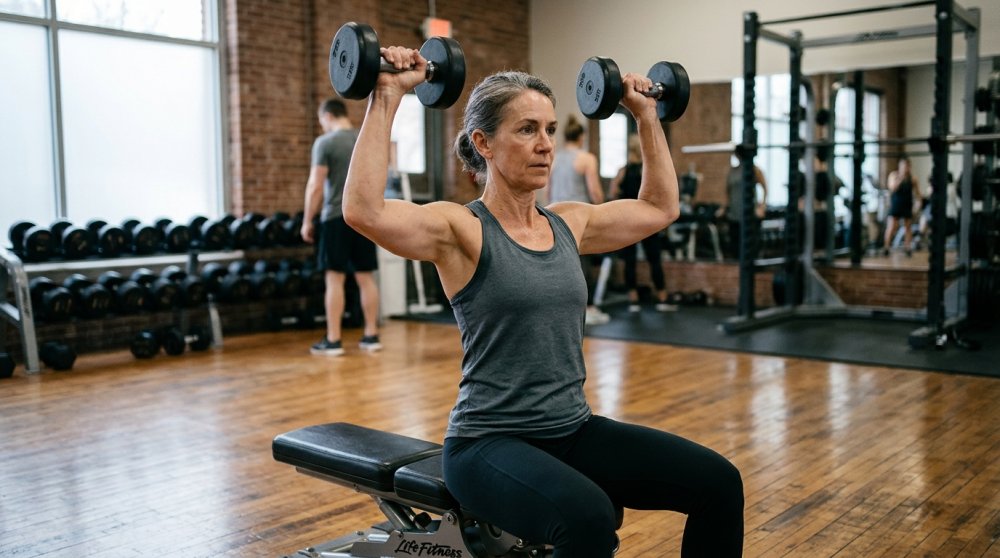
Researchers tracking adults in their forties and beyond found that completing three or more sets of each resistance exercise produced measurable improvements in strength and muscle size over twelve weeks. The study followed participants who trained two to three days each week using controlled weights and body-weight movements.
Those who limited themselves to one set per exercise showed slower progress, especially when the goal was preserving lean tissue during midlife and later years.
“Consistency over intensity seems to be the key message for this age group,” noted the lead exercise physiologist overseeing the trial. The findings emphasize measured progression rather than pushing to failure on every repetition.
Nutrition timing also played a role. Participants who consumed a small protein-rich snack within an hour after training retained more muscle than those who waited longer. The researchers stressed that everyday foods such as eggs, Greek yogurt, or a turkey slice on whole-grain bread worked just as well as commercial shakes.
Flexibility in scheduling was another takeaway. Some volunteers split their weekly sets across four shorter sessions instead of two longer workouts and still achieved similar gains. The study authors suggested this approach may reduce joint strain while supporting adherence.
Researchers will continue to monitor long-term outcomes, but current data support the value of steady, moderate resistance training for adults who want to stay active and independent.
