Nutrition
Simple Movement Routines Shown to Lower Blood Pressure Naturally

Health Points
- Regular aerobic activity can reduce systolic blood pressure by 5 to 8 mm Hg
- Strength training twice a week supports long-term cardiovascular health
- Flexibility and balance exercises reduce stress-related spikes in blood pressure
Staying active is one of the most reliable ways adults over 40 can keep blood pressure in a healthy range. The key is choosing exercises that fit comfortably into daily life without requiring special equipment or intense gym sessions.
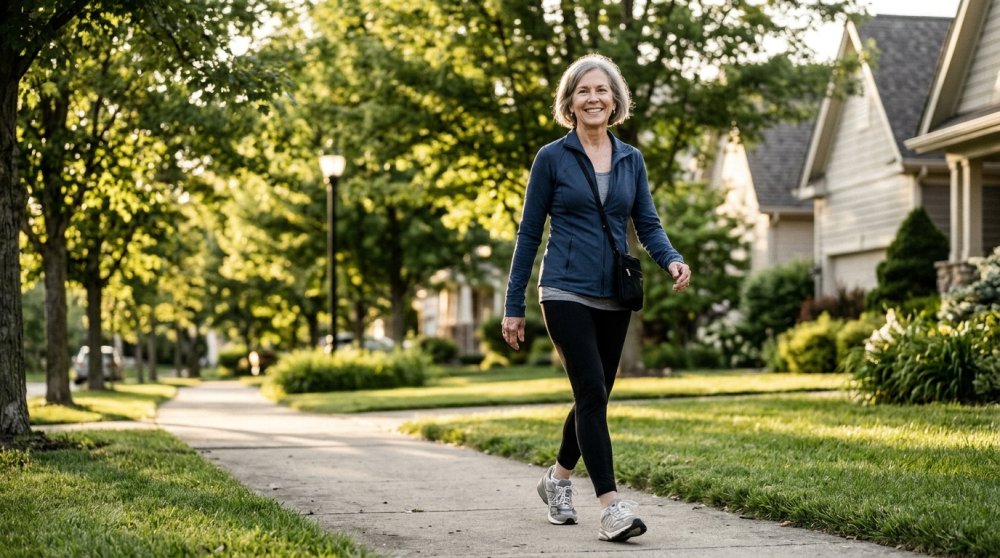
Walking remains one of the simplest and most effective options. A brisk 30-minute walk most days of the week has been shown to produce measurable drops in both systolic and diastolic readings. Many people find that splitting the time into two shorter walks works equally well.
“Consistency matters more than intensity,” explains Dr. Michael Greicius, a cardiologist who has studied exercise and hypertension for two decades. “Patients who walk regularly see benefits even when their pace is moderate.”
Strength training is another valuable tool. Using light weights or resistance bands two days a week helps maintain muscle mass while supporting heart health. Focus on major muscle groups with controlled movements and proper breathing throughout each repetition.
Yoga and stretching routines add a third layer of protection. These practices improve flexibility, ease muscle tension, and lower stress hormones that can raise blood pressure. Sessions lasting 20 to 30 minutes several times weekly provide noticeable relaxation benefits.
“Patients often report better sleep and steadier energy when they add gentle stretching to their routine,” notes physical therapist Lisa Moreno, who works with older adults managing hypertension. “The mental calm that comes from mindful movement carries over into daily activities.”
Balance exercises such as standing on one foot or practicing tai chi further support overall stability. These movements help prevent falls while contributing to lower resting heart rates. They can be performed safely at home using a sturdy chair for support if needed.
Swimming and water aerobics offer joint-friendly alternatives for those who prefer lower-impact options. The water’s resistance provides a gentle workout while the cool temperature helps keep heart rate steady. Many community centers offer classes designed specifically for adults over 40.
Tracking progress with a simple home blood pressure monitor encourages continued commitment. Readings taken at the same time each day show how exercise routines are influencing overall numbers. Small, steady improvements build confidence and motivation to maintain the habit.
