Health
Understanding the Clear Distinctions Between Emotional Support Dogs Therapy Dogs and Assistance Dogs in the UK

Health Points
- Emotional support dogs provide comfort but lack the legal protections given to trained assistance dogs
- Therapy dogs undergo formal training and certification to work in healthcare and community settings
- Assistance dogs receive extensive task-specific training to support individuals with disabilities
Dogs can make a real difference to how we feel. Plenty of people find that a calm, affectionate dog helps them feel less alone.
Yet when it comes to the legal and practical distinctions between emotional support dogs therapy dogs and assistance dogs many people remain unclear. The differences matter because they determine access rights housing policies and public space permissions across the United Kingdom.
Emotional support dogs offer companionship and comfort to individuals experiencing anxiety depression or other mental health challenges. These dogs do not require formal training and they do not perform specific tasks. Their presence alone is considered beneficial to their owner.
Unlike assistance dogs emotional support dogs do not have automatic legal rights to enter shops restaurants or other public places. Landlords and housing providers are not legally required to accommodate emotional support dogs under current UK legislation.
Therapy dogs differ from emotional support dogs because they receive structured training and certification. These dogs visit hospitals schools care homes and other community settings to provide comfort to multiple people.
Therapy dog handlers must complete recognised training programmes and their dogs must pass temperament assessments. The dogs work under supervision and follow strict hygiene and behaviour protocols during visits.
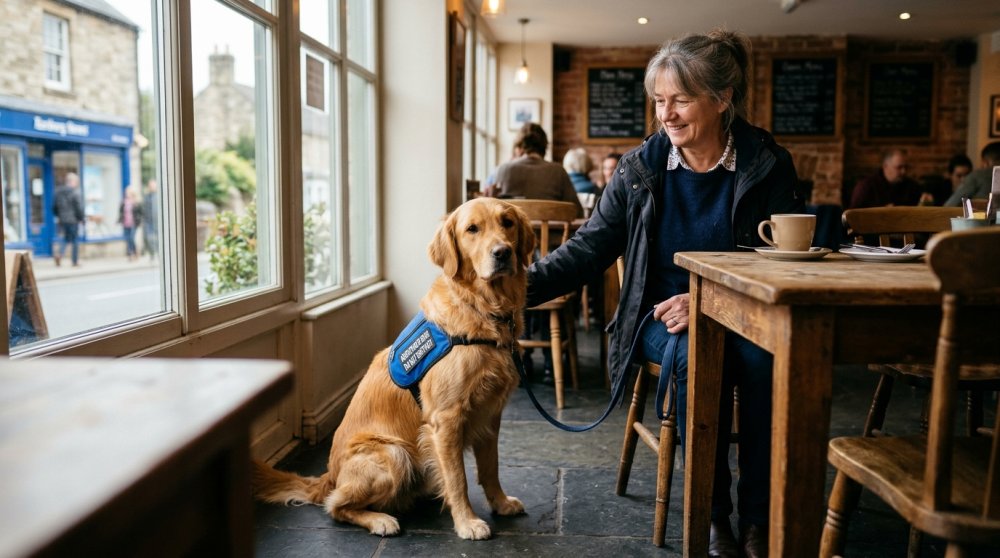
Assistance dogs represent the highest level of training among working dogs. These animals learn specific tasks to mitigate disabilities such as guiding the visually impaired alerting to seizures or retrieving dropped items for people with mobility limitations.
Under the Equality Act 2010 assistance dogs have legal rights to accompany their handlers in all public spaces including shops restaurants hotels and workplaces. Housing providers must also make reasonable adjustments to accommodate assistance dogs.
The training process for assistance dogs typically takes between eighteen months and two years. Professional organisations assess each dog and handler team before granting public access certification.
People considering any type of support dog should research the specific requirements and legal implications carefully. Understanding these distinctions helps individuals make informed decisions about which type of dog best meets their needs while respecting public access regulations.
