Nutrition
Everyday Products You Rely On May Start With Lab-Created Urine

Health Points
- Synthetic urine supports essential product testing in multiple industries.
- Quality control in manufacturing benefits from realistic lab standards.
- Consistent safety measures protect consumers across daily-use goods.
Most households never consider how manufacturers verify the safety and performance of common products. Synthetic urine provides a controlled, repeatable substance that mimics human urine without the variability of real samples. This consistency helps companies maintain strict quality standards.
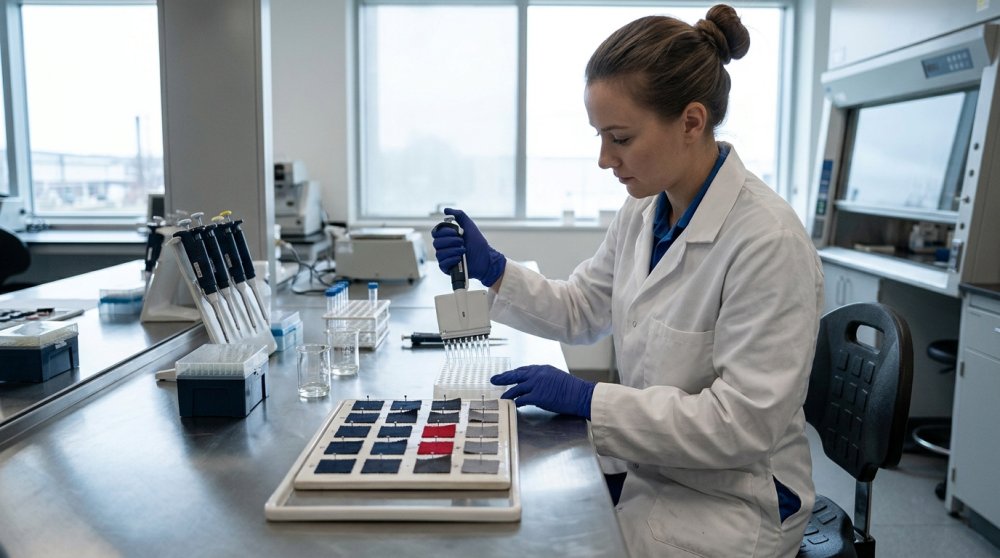
Textile makers, for instance, test fabric dyes and treatments with synthetic urine to ensure colorfastness and odor resistance. The process prevents surprises after garments reach store shelves.
“Reliable test materials allow us to refine products before they touch a single customer,” explained a quality-control supervisor at a major apparel firm.
Medical-supply companies also depend on synthetic urine when calibrating diagnostic strips and training new lab technicians. Because the composition stays uniform, results remain trustworthy from one batch to the next.
“Training accuracy improves when every sample behaves the same way,” noted an instructor at a regional medical-technology program.
Even pet-product developers use synthetic urine to gauge the effectiveness of stain-and-odor removers designed for carpets and upholstery. The substance offers a standardized challenge that real-world accidents rarely provide.
Across these industries, synthetic urine quietly supports the items people trust every day, from clothing to diagnostic kits to household cleaners.
