Nutrition
Differentiating Sun Blisters From Other Skin Irritations

Health Points
- Consult a healthcare professional to identify the cause of any new blister.
- Protect exposed skin with broad-spectrum SPF and clothing.
- Keep the area clean and avoid popping blisters to reduce infection risk.
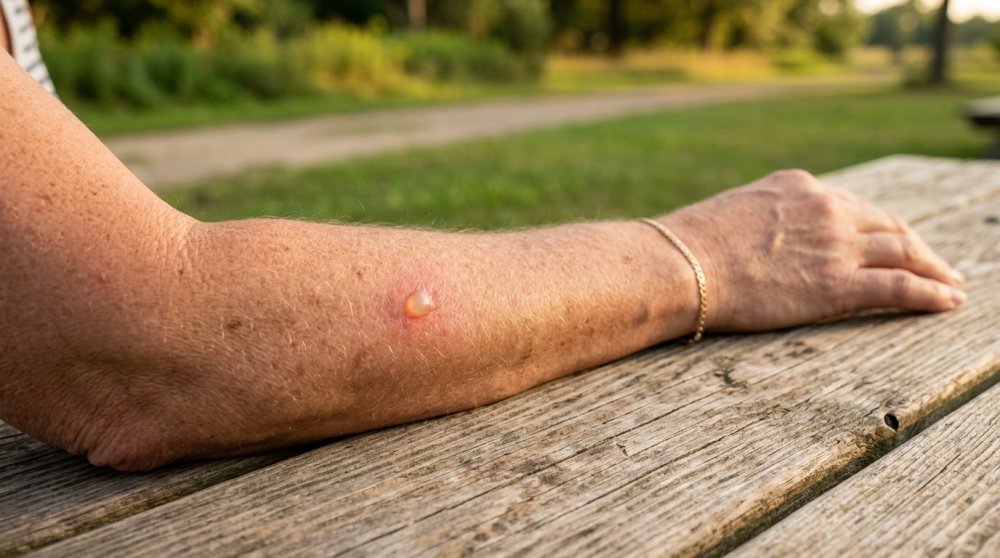
Many adults discover a clear fluid-filled bump after extended outdoor time. The first step is to examine surrounding skin for redness or swelling.
Next, note whether the blister is painful or merely tender. Pain that intensifies after sun exposure often signals a burn rather than simple irritation.
“Early assessment prevents complications,” says dermatologist Dr. Lisa Patel.
Consider any recent contact with plants, chemicals, or new lotions. Reactions from these sources can mimic sun damage.
“Document timing and activities,” advises nurse practitioner Karen Ellis. “Patterns help clinicians narrow the cause.”
Moisturize gently with fragrance-free ointment and cover loosely with a bandage. This approach supports the skin’s natural barrier while shielding the site from further irritation.
Persistent or spreading blisters warrant prompt evaluation. Timely guidance preserves comfort and appearance for years to come.
