Health
Stronger Neighborhoods Thrive When Daily Habits Support Medical Treatment

Health Points
- Medical care alone does not determine overall health in a community.
- Daily habits, family support, and local environment shape long-term outcomes.
- Traditional community structures strengthen both prevention and recovery.
Communities often face health challenges that go beyond what clinics and hospitals can treat. Daily routines, family meals, and neighborhood safety all influence how people feel and function over time. Medical professionals can prescribe medicine, yet lasting improvement depends on what happens at home and in the streets.
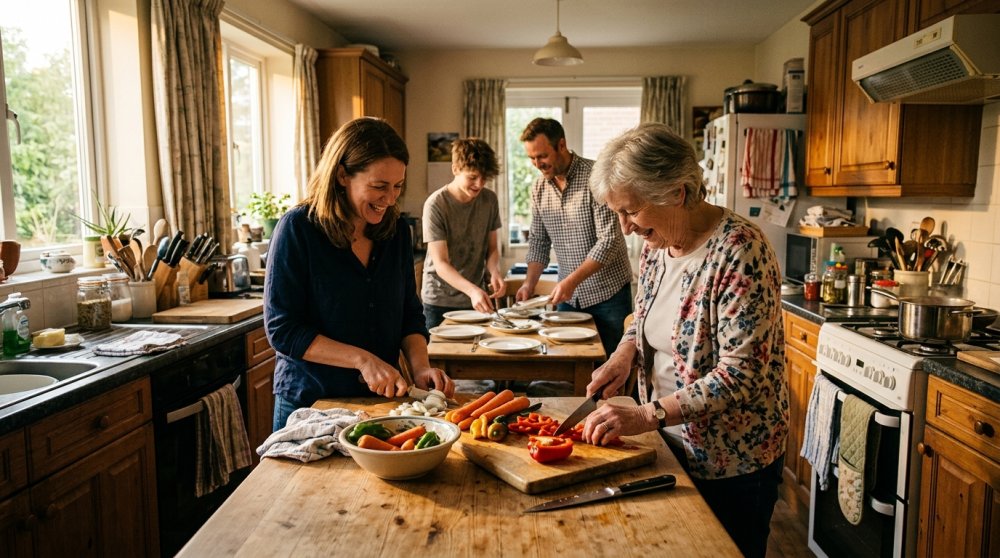
Research shows that people who live near parks, grocery stores with fresh produce, and safe walking paths tend to stay healthier. These surroundings encourage simple habits that protect the heart, joints, and mind. Families who share regular meals also pass down practical knowledge about balanced plates and portion sizes.
“Health begins where we live, work, and play,” says Dr. Elena Vargas, a family physician who has practiced in both urban and rural clinics for twenty years.
Faith communities and civic groups often organize walks, cooking classes, and youth sports that keep members active without requiring a gym membership. These gatherings also provide emotional support during illness or recovery, reducing the isolation that can slow healing. When neighbors check on one another, small problems are noticed early and addressed before they grow serious.
Traditional two-parent households frequently model consistent sleep schedules, limited screen time, and shared responsibilities that lower stress for everyone. Children raised in such homes are more likely to carry these habits into adulthood. Communities that value stable families therefore invest in the next generation’s health at the most basic level.
“When families eat together and stay involved in each other’s lives, we see measurable drops in chronic disease,” notes community health worker Marcus Hale, who tracks wellness data across several Midwestern counties.
Local leaders who prioritize clean streets, reliable public transit, and after-school programs create environments where good choices become the easiest choices. These practical steps complement the work of doctors and nurses rather than replace it. A strong neighborhood and a strong medical system working together give residents the best chance for long, active lives.
