Health
This Common Fungal Infection Is More Contagious Than Most People Realize

Health Points
- Ringworm is a highly contagious fungal infection that affects the skin, not caused by worms despite its misleading name
- The infection spreads through direct skin contact, contaminated surfaces, and shared personal items like towels and clothing
- Early treatment with antifungal medications can clear most ringworm infections within two to four weeks
Despite its unsettling name, ringworm has nothing to do with parasitic worms. This common fungal infection affects millions of Americans each year, yet many people remain unaware of how easily it spreads and what steps they should take if they develop symptoms.
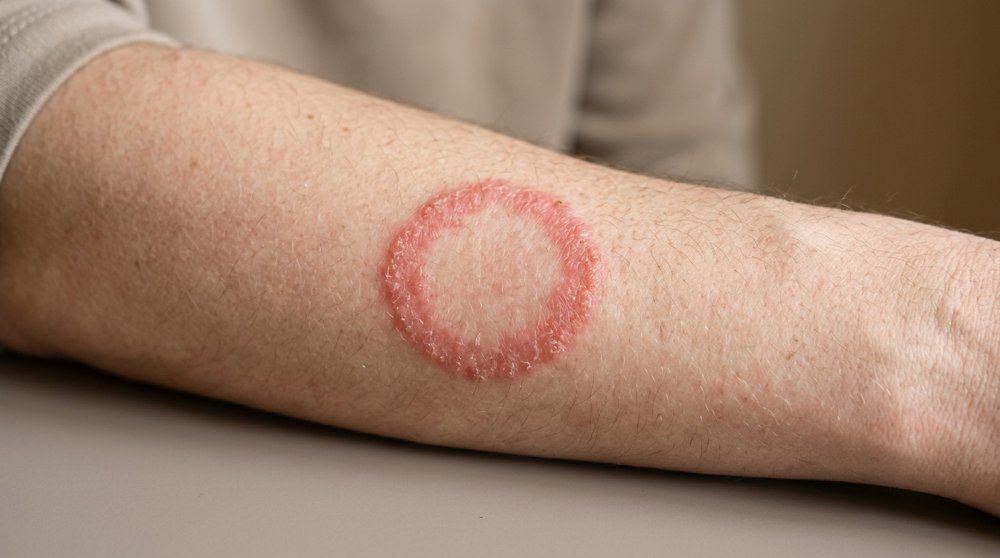
The infection gets its name from the distinctive circular rash it creates on the skin, which often appears red and scaly around the edges with clearer skin in the center. This ring-shaped pattern fooled early observers into believing a worm was responsible, but the true culprit is a group of fungi called dermatophytes.
Ringworm thrives in warm, moist environments and can affect various parts of the body. When it appears on the scalp, it’s called tinea capitis. On the body, it’s known as tinea corporis. The same type of fungus causes athlete’s foot (tinea pedis) and jock itch (tinea cruris).
The infection spreads remarkably easily through several routes. Direct skin-to-skin contact with an infected person remains the most common transmission method, making it particularly prevalent in contact sports like wrestling. Pets, especially cats and dogs, can also carry and transmit the fungus to humans without showing obvious symptoms themselves.
Shared personal items pose another significant risk. Towels, clothing, hairbrushes, and bedding can all harbor the fungus and transfer it to new hosts. Public spaces like locker rooms, swimming pools, and gym equipment create ideal conditions for the fungus to survive and spread.
Recognizing ringworm early helps prevent its spread to others and speeds recovery. The telltale circular rash typically appears one to three weeks after exposure. The affected area may feel itchy, and the skin often becomes dry, scaly, or inflamed. In some cases, small blisters form around the ring’s border.
Scalp ringworm presents differently, causing patches of hair loss, tenderness, and sometimes swollen lymph nodes. Children are particularly susceptible to this form of infection, though it can affect people of any age.
Most ringworm infections respond well to over-the-counter antifungal creams, lotions, or powders containing ingredients like clotrimazole, miconazole, or terbinafine. These treatments should be applied to the affected area and the surrounding skin twice daily for at least two weeks, even if the rash appears to clear up earlier.
More severe or persistent infections may require prescription-strength topical medications or oral antifungal drugs. Scalp ringworm almost always needs oral medication because topical treatments cannot penetrate deeply enough to reach the hair follicles where the fungus resides.
Prevention strategies focus on maintaining good hygiene and avoiding situations that promote fungal growth. Keeping skin clean and dry proves essential, especially after exercising or spending time in humid environments. Wearing breathable fabrics and changing out of wet clothes promptly helps discourage fungal colonization.
People should avoid sharing personal items like towels, clothing, and grooming tools. In public spaces, wearing flip-flops or shower shoes protects feet from contact with contaminated surfaces. After touching animals, particularly stray or shelter animals, washing hands thoroughly reduces transmission risk.
Athletes participating in contact sports should shower immediately after practice or competition and wash their workout clothes after each use. Sports equipment and mats should be cleaned regularly with appropriate disinfectants.
Pet owners should watch for signs of ringworm in their animals, including circular patches of hair loss, scaly skin, or inflamed areas. Veterinary treatment can eliminate the infection and prevent household transmission. During treatment, limiting close contact with infected pets and washing hands after handling them protects family members.
While ringworm rarely causes serious health complications, untreated infections can spread to larger areas of skin and become increasingly difficult to eliminate. Secondary bacterial infections may develop if the affected area is scratched excessively. In people with weakened immune systems, ringworm can become more severe and harder to treat.
Medical attention becomes necessary if over-the-counter treatments don’t improve symptoms after two weeks, if the infection covers large areas of the body, or if it affects the scalp or nails. People with diabetes or compromised immune systems should consult healthcare providers promptly rather than attempting self-treatment.
Understanding that ringworm is a fungal infection rather than a parasitic one helps dispel unnecessary anxiety while encouraging appropriate treatment. With proper care and prevention measures, most people can avoid this common but manageable condition. For those who do contract ringworm, early intervention and consistent treatment typically resolve the infection without lasting effects.
The key to managing ringworm lies in recognizing its contagious nature and taking swift action to treat infections and prevent transmission. By maintaining good hygiene practices and staying alert to symptoms, individuals can protect themselves and their families from this persistent but treatable fungal infection.
