Nutrition
The Surprising Superfruit Most Women Over 50 Should Be Eating Daily

Health Points
- Apricots deliver high levels of antioxidants that support eye health and may reduce age-related vision decline
- The fruit provides essential fiber and nutrients that promote digestive health and stable blood sugar levels
- Fresh and dried varieties offer different nutritional benefits, with fresh apricots being lower in sugar and calories
A humble stone fruit that’s been cultivated for thousands of years is gaining renewed attention from nutrition experts for its remarkable health benefits, particularly for those navigating midlife and beyond.
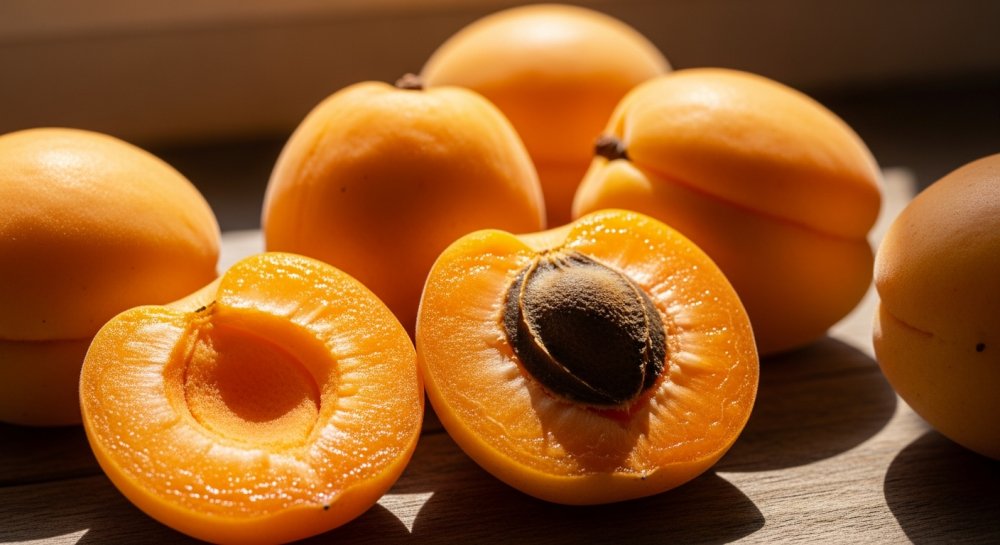
Apricots, those golden-orange fruits often overlooked in the produce aisle, pack a powerful nutritional punch that may help address some of the most common health concerns facing Americans over 40. From supporting vision to promoting heart health, this versatile fruit offers benefits that extend far beyond its sweet, tangy flavor.
“Apricots are an excellent source of beta-carotene, which the body converts to vitamin A,” explains registered dietitian nutritionist Sarah Gold Anzlovar. “This nutrient is crucial for maintaining healthy vision, especially as we age.”
The fruit’s impressive antioxidant profile includes beta-carotene, lutein, and zeaxanthin—compounds that research suggests may help protect against age-related macular degeneration and cataracts. For women and men concerned about maintaining their independence and quality of life as they age, protecting eyesight becomes increasingly important.
Beyond vision support, apricots offer substantial benefits for digestive health. A single cup of fresh apricot slices contains approximately 3 grams of fiber, helping to promote regularity and support a healthy gut microbiome. This fiber content also contributes to more stable blood sugar levels, a critical consideration for the growing number of Americans managing prediabetes or type 2 diabetes.
The fruit comes in two primary forms—fresh and dried—each offering distinct advantages. Fresh apricots contain more water and fewer calories per serving, making them an ideal choice for those watching their weight. Dried apricots, while more calorie-dense, provide concentrated nutrients and make a convenient, portable snack.
“When choosing dried apricots, look for varieties without added sugar or sulfites,” advises Anzlovar. “The natural sweetness is usually sufficient, and avoiding unnecessary additives is always the healthier choice.”
The potassium content in apricots—around 400 milligrams per cup of fresh fruit—supports cardiovascular health by helping to regulate blood pressure. This mineral works in tandem with the fruit’s fiber content to promote heart health, a top concern for adults over 40.
Apricots also provide vitamin C, which supports immune function and collagen production for healthy skin. As collagen production naturally declines with age, dietary sources of vitamin C become increasingly valuable for maintaining skin elasticity and overall appearance.
While apricots offer numerous benefits, moderation remains key, particularly with dried varieties. The concentrated sugars in dried apricots can impact blood sugar levels more significantly than fresh fruit. Portion control is especially important for individuals managing diabetes or watching their carbohydrate intake.
Some people may experience digestive discomfort when consuming larger quantities of apricots due to their fiber and natural sugar content. Starting with smaller portions allows the digestive system to adjust gradually.
Individuals taking certain medications, particularly blood thinners, should consult their healthcare provider before significantly increasing their apricot consumption. The vitamin K content, while beneficial for most people, can interact with some medications.
Incorporating apricots into a balanced diet is straightforward and versatile. Fresh apricots can be sliced into morning oatmeal or yogurt, added to salads for a sweet contrast, or enjoyed as a simple snack. Dried apricots work well in trail mixes, baked goods, or as a natural sweetener in savory dishes like tagines and grain salads.
The beauty of this traditional fruit lies in its simplicity and accessibility. Unlike exotic superfoods that require special ordering or significant expense, apricots are widely available, affordable, and require no special preparation.
For those committed to aging well and maintaining their health through natural, whole-food sources, apricots represent an evidence-based choice. Their combination of vitamins, minerals, antioxidants, and fiber addresses multiple health priorities simultaneously—from vision and heart health to digestion and blood sugar management.
As nutrition science continues to validate traditional foods, apricots stand out as a time-tested option that modern research increasingly supports. Whether fresh or dried, this golden fruit deserves a regular place in a health-conscious diet, particularly for those prioritizing wellness in their middle years and beyond.
