Nutrition
The Surprising Health Boost Hiding Inside Every Pomegranate Seed

Health Points
- Pomegranate seeds deliver powerful antioxidants, fiber, and vitamins C and K that support heart health and reduce inflammation
- The white membrane surrounding the seeds is edible and contains additional nutrients, though some prefer to remove it for taste
- Simple extraction methods like the water bowl technique make accessing these nutrient-dense seeds easier than most people think
For generations, pomegranates have held a revered place in traditional diets across the Mediterranean and Middle East. Today, modern nutritional science confirms what ancient cultures long understood: these ruby-red seeds pack an extraordinary health punch that makes the effort of extraction worthwhile.
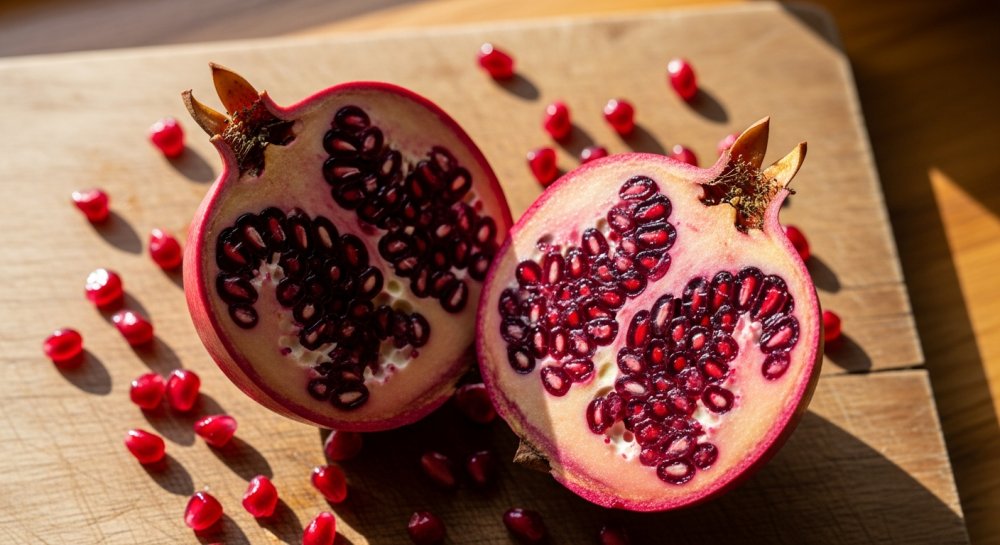
The deep crimson arils—the technical term for the juicy seed sacs—contain a remarkable concentration of beneficial compounds. Each serving delivers substantial amounts of fiber, vitamin C, and vitamin K, along with potent antioxidants called punicalagins and anthocyanins that give the fruit its distinctive color.
Research indicates these antioxidants may help reduce inflammation throughout the body and support cardiovascular health. The fiber content aids digestive function, while the vitamin profile contributes to immune system strength and bone health—particularly important considerations for those over 40.
Many home cooks feel intimidated by the prospect of opening a pomegranate, imagining stained countertops and wasted fruit. The reality is far simpler than the fruit’s exotic reputation suggests.
The most effective method involves cutting the pomegranate in half, then submerging each half in a bowl of cold water. Gently breaking apart the sections underwater allows the seeds to sink while the bitter white pith floats to the surface. This approach minimizes mess and preserves nearly all the valuable arils.
A common question concerns the white membrane clinging to some seeds. This pith is entirely edible and contains additional nutrients, though its bitter taste leads many to remove it. There’s no nutritional requirement to consume it—the choice comes down to personal preference.
The seeds themselves should be eaten whole. Chewing releases the juice and breaks down the small, crunchy seed inside, which contains beneficial fiber and healthy fats. Some people choose to spit out the harder center, but consuming it whole maximizes nutritional benefits.
Fresh pomegranate seeds maintain their quality for up to five days when refrigerated in an airtight container. They can also be frozen for several months, making it practical to enjoy this superfood year-round.
Beyond eating them straight from the bowl, pomegranate seeds elevate both sweet and savory dishes. They add a burst of color and tangy sweetness to salads, grain bowls, and yogurt. Their jewel-like appearance makes them a natural garnish for holiday dishes, while their flavor complements roasted meats and winter vegetables.
The nutritional profile becomes even more impressive when considering pomegranate juice, though whole seeds offer the advantage of intact fiber. Either form provides the antioxidant benefits that have made this ancient fruit a modern nutritional star.
For health-conscious adults seeking to add more nutrient-dense foods to their diet, pomegranates represent an excellent choice. The initial learning curve of seed extraction pays dividends in both flavor and wellness benefits that align with age-positive, preventive health strategies.
