Nutrition
The Surprising Way Brown Rice Changes Your Body After Just One Week

Health Points
- Brown rice provides significantly more fiber and nutrients than white rice due to its intact bran and germ layers
- Regular consumption may improve blood sugar control and support heart health through cholesterol reduction
- The grain’s high fiber content promotes digestive health and can aid in maintaining a healthy weight
Switching from white rice to brown rice may seem like a small dietary change, but nutrition experts say the impact on your body can be substantial. The whole grain alternative has gained recognition among health-conscious eaters for good reason.
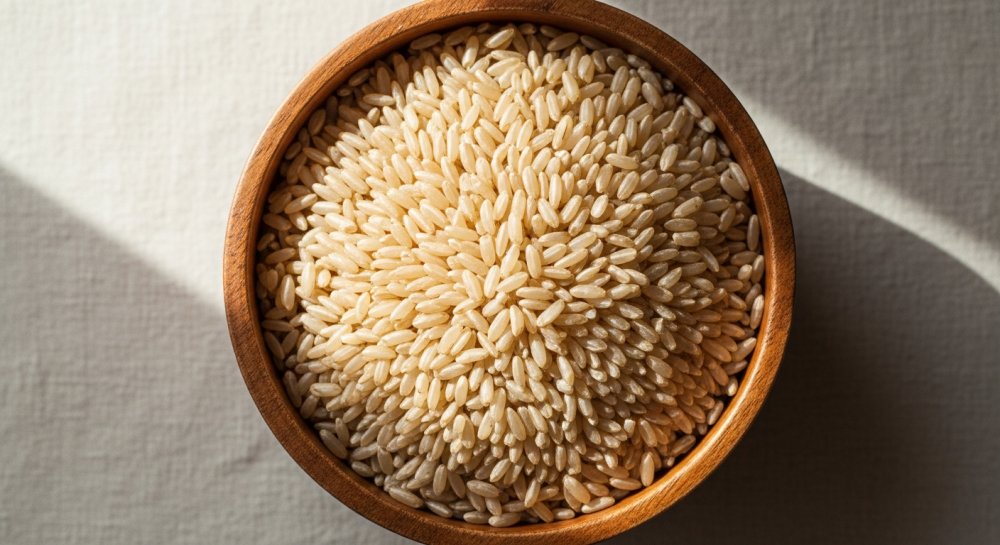
Brown rice differs from white rice in one crucial way: it retains the nutritious bran and germ layers that are stripped away during white rice processing. This seemingly simple difference creates a dramatically different nutritional profile that affects multiple body systems.
“Brown rice is a true whole grain, meaning it contains all three parts of the grain kernel—the bran, germ, and endosperm,” explains registered dietitian Sarah Johnson. “White rice has had the bran and germ removed, which also removes most of the fiber, vitamins, and minerals.”
The fiber content in brown rice stands out as one of its most significant health benefits. A single cup of cooked brown rice contains approximately 3.5 grams of fiber, compared to less than 1 gram in the same amount of white rice. This fiber difference influences how your body processes the grain.
Blood sugar regulation improves when you regularly consume brown rice instead of refined grains. The fiber and complex carbohydrates in brown rice slow down digestion, preventing the rapid blood sugar spikes that white rice can cause. This steadier energy release helps maintain consistent blood glucose levels throughout the day.
Research suggests that people who eat brown rice regularly show reduced risk of developing type 2 diabetes. One large study found that replacing just one-third of a daily serving of white rice with brown rice could lower diabetes risk by 16 percent.
Your cardiovascular system also benefits from choosing brown rice. The whole grain contains plant compounds and minerals that support heart health in several ways. Magnesium helps regulate blood pressure, while the fiber content aids in lowering LDL cholesterol—the type associated with increased heart disease risk.
“The antioxidants in brown rice, particularly in the bran layer, help reduce inflammation and protect against oxidative stress,” notes cardiologist Dr. Michael Chen. “These protective effects contribute to overall cardiovascular wellness.”
Digestive health improves when brown rice becomes a regular part of your diet. The insoluble fiber in the bran layer adds bulk to stool and promotes regular bowel movements. This type of fiber also feeds beneficial gut bacteria, supporting a healthy microbiome.
Weight management becomes easier for many people who incorporate brown rice into their meals. The fiber and protein content create greater satiety compared to white rice, meaning you feel fuller longer after eating. This natural appetite control can help prevent overeating and support healthy weight maintenance.
Brown rice delivers an impressive array of vitamins and minerals that white rice lacks. B vitamins, including thiamin, niacin, and B6, play essential roles in energy metabolism and brain function. The grain also provides significant amounts of selenium, manganese, and phosphorus.
The manganese content deserves special attention—one cup of brown rice provides over 80 percent of the daily recommended intake. This mineral supports bone health, wound healing, and metabolism of carbohydrates and proteins.
Some people worry about arsenic levels in brown rice, as rice plants absorb this naturally occurring element from soil and water. While brown rice does contain more arsenic than white rice because the compound concentrates in the bran layer, experts say the health benefits still outweigh the risks for most people.
“Rinsing rice before cooking and using a higher water-to-rice ratio can reduce arsenic levels,” advises food safety specialist Dr. Lisa Martinez. “Varying your grain intake to include quinoa, barley, and other whole grains also helps limit arsenic exposure while maximizing nutritional diversity.”
The texture and flavor of brown rice differ noticeably from white rice. The grain has a chewier texture and nuttier taste that some people love immediately, while others need time to adjust. Cooking brown rice requires more water and time—typically 40 to 50 minutes compared to 15 to 20 minutes for white rice.
Preparing brown rice properly ensures the best texture and digestibility. Soaking the grain for several hours before cooking can reduce cooking time and may improve nutrient absorption. Some people find that adding a small amount of salt or oil to the cooking water enhances flavor and texture.
Your energy levels may improve after switching to brown rice. The complex carbohydrates provide sustained fuel for physical and mental activities. Athletes often choose brown rice as a pre-workout meal because it delivers lasting energy without causing digestive discomfort.
The anti-inflammatory properties of brown rice support overall wellness and may help reduce chronic disease risk. The grain contains phenolic compounds and flavonoids that combat inflammation at the cellular level. Over time, this protective effect can influence multiple aspects of health.
Starting with small substitutions makes the transition to brown rice easier. Try replacing half your usual white rice with brown rice in favorite dishes, then gradually increase the proportion. This approach allows your taste preferences and digestive system to adjust comfortably.
Different varieties of brown rice offer subtle flavor variations worth exploring. Short-grain brown rice tends to be stickier and softer, while long-grain varieties remain more separate and fluffy. Aromatic types like brown basmati and brown jasmine add distinctive fragrances to meals.
The cultural shift toward whole grains reflects growing awareness of nutrition’s role in preventing chronic disease. Public health experts consistently recommend making at least half of grain consumption come from whole grain sources. Brown rice represents an accessible, affordable way to meet this guideline.
Your body begins responding to brown rice almost immediately, though some benefits accumulate over weeks and months. Digestive changes often occur within days, while cardiovascular and metabolic improvements develop with consistent consumption over longer periods. Making brown rice a regular staple can support your health goals while adding variety and nutrition to everyday meals.
