Health
The Science Behind Today’s Hottest Health Trend

Health Points
- Biohacking uses measurable, individualized approaches to optimize physical and mental performance through lifestyle modifications
- Medical experts emphasize the importance of evidence-based interventions over experimental methods that lack scientific validation
- Simple biohacking techniques include monitoring sleep quality, practicing intermittent fasting, and tracking biomarkers through routine testing
A growing movement focused on personal health optimization has captured attention across age groups, with individuals seeking concrete ways to enhance their well-being through measurable interventions.
Biohacking represents a self-directed approach to health improvement that combines traditional wellness practices with modern technology and scientific monitoring. The practice emphasizes taking personal responsibility for health outcomes through systematic experimentation and data tracking.
Dr. Michael Chen, a functional medicine physician with over two decades of experience, explains the fundamental concept behind this approach.
“Biohacking is essentially the practice of making incremental changes to your lifestyle and diet to achieve small improvements in your health and well-being. It’s about understanding your body’s unique responses and optimizing accordingly.”
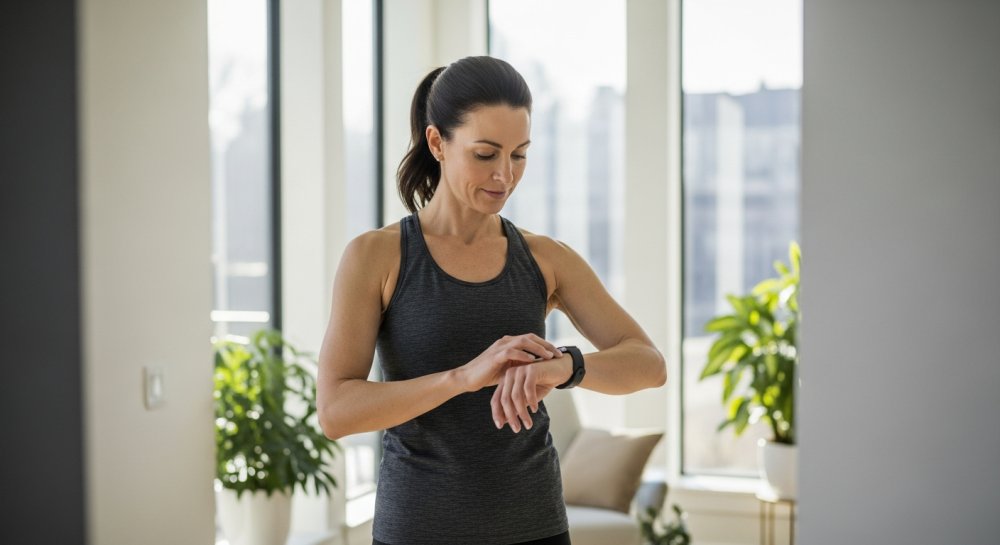
The movement encompasses a wide spectrum of practices, from simple dietary modifications to sophisticated tracking of biological markers. Common techniques include monitoring sleep patterns, adjusting meal timing, incorporating specific supplements, and utilizing wearable technology to track physiological responses.
For individuals over 40, certain biohacking strategies align particularly well with age-related health priorities. These include maintaining muscle mass through targeted protein intake, supporting cognitive function through specific nutritional interventions, and optimizing hormone balance through lifestyle modifications.
Sleep optimization represents one of the most accessible entry points into biohacking. This involves establishing consistent sleep schedules, minimizing blue light exposure before bedtime, and monitoring sleep quality through tracking devices. Research consistently demonstrates that quality sleep supports immune function, cognitive performance, and metabolic health.
Intermittent fasting has emerged as another popular biohacking technique, with various protocols allowing individuals to restrict eating windows. Proponents suggest this approach may support cellular repair processes and metabolic efficiency, though individual responses vary significantly.
Dr. Sarah Thompson, a nutritionist specializing in age-related wellness, emphasizes the importance of personalization.
“What works for one person may not work for another. The key is finding evidence-based approaches that align with your individual health status, goals, and lifestyle constraints.”
Cold exposure therapy, including cold showers or ice baths, represents a more intensive biohacking practice. Advocates suggest benefits including improved circulation, enhanced mental resilience, and potential metabolic effects. However, medical professionals recommend consulting with healthcare providers before beginning such practices, particularly for individuals with cardiovascular concerns.
Supplement protocols form another cornerstone of many biohacking regimens. Common choices include vitamin D for immune support, omega-3 fatty acids for cardiovascular and cognitive health, and magnesium for sleep quality and muscle function. Quality matters significantly in supplement selection, with third-party testing providing important verification.
Blood work and biomarker testing allow biohackers to track internal health metrics beyond what symptoms or appearance might reveal. Regular monitoring of factors including vitamin levels, hormone panels, and metabolic markers enables data-driven decision-making about interventions.
Exercise optimization through heart rate monitoring and recovery tracking helps individuals maximize fitness benefits while minimizing injury risk. This approach proves particularly valuable for those over 40, when recovery requirements typically increase.
Dr. Robert Martinez, a sports medicine specialist, highlights an important consideration for mature adults.
“As we age, the recovery component becomes just as important as the exercise itself. Monitoring heart rate variability and adjusting training intensity based on recovery status represents smart, sustainable biohacking.”
Cognitive enhancement strategies include specific nootropic supplements, meditation practices, and brain-training exercises. While some interventions show promising research support, others lack substantial scientific validation, making careful evaluation essential.
Hydration optimization goes beyond simply drinking water, incorporating consideration of electrolyte balance and timing relative to meals and exercise. Proper hydration supports numerous physiological functions, from joint health to cognitive performance.
Medical experts consistently emphasize distinguishing between evidence-based interventions and experimental practices lacking scientific support. The biohacking community includes both approaches, making critical evaluation necessary.
Red light therapy has gained traction as a biohacking tool, with proponents suggesting benefits for skin health, inflammation reduction, and cellular energy production. While preliminary research shows promise, larger studies remain needed for definitive conclusions.
Stress management techniques, including breathwork and meditation, represent foundational biohacking practices supported by substantial research. These approaches demonstrate measurable effects on cortisol levels, blood pressure, and overall well-being.
Dr. Jennifer Wong, an integrative medicine practitioner, offers guidance for those beginning their biohacking journey.
“Start with the basics—sleep, nutrition, movement, and stress management. Master these foundations before moving to more advanced interventions. And always consult with qualified healthcare providers, especially when making significant changes.”
The financial investment in biohacking varies dramatically, from free practices like sleep schedule optimization to expensive technologies and testing. Effective biohacking need not require substantial financial outlay, with many impactful interventions costing little or nothing.
Wearable technology has democratized access to personal health data, allowing individuals to track metrics previously available only through medical testing. Devices now monitor sleep stages, heart rate variability, blood oxygen levels, and activity patterns, providing actionable information for optimization efforts.
Community support through online forums and local groups helps biohackers share experiences and strategies. However, anecdotal reports should never replace professional medical advice, particularly for individuals with existing health conditions.
The movement emphasizes personal agency in health management, encouraging individuals to become informed participants in their wellness journey. This proactive approach aligns well with traditional values of self-reliance and personal responsibility.
For those over 40, biohacking offers tools to address common age-related concerns including energy levels, cognitive sharpness, metabolic efficiency, and physical resilience. When implemented thoughtfully with professional guidance, these strategies can complement conventional healthcare approaches.
The key to successful biohacking lies in patience, consistency, and evidence-based decision-making. Dramatic overnight transformations rarely occur; sustainable improvements typically result from incremental changes maintained over time.
