Nutrition
Your Liver Changes in Surprising Ways When Green Tea Becomes Daily Habit

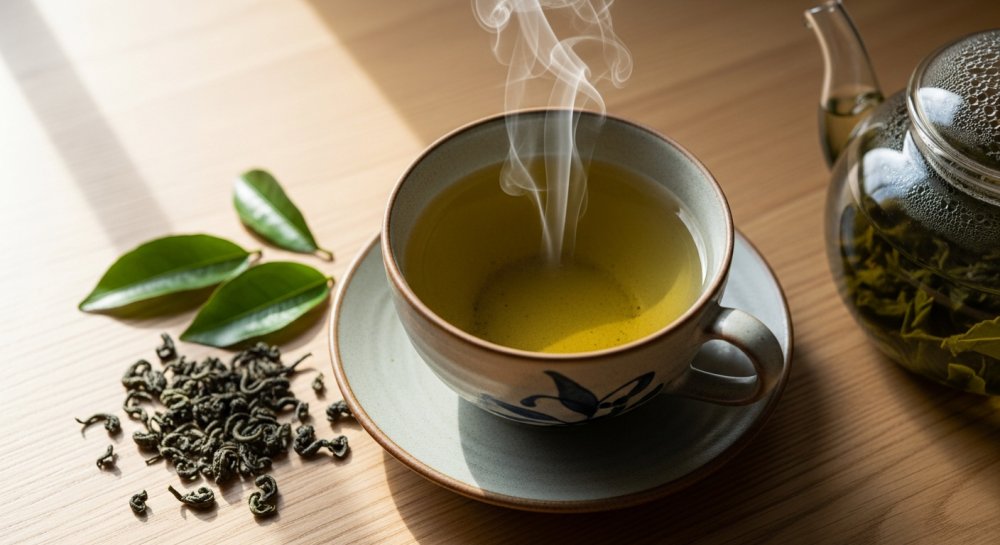
Health Points
- Daily green tea consumption delivers powerful antioxidants called catechins that support liver function and protect against cellular damage
- Research shows green tea may reduce liver fat accumulation and lower enzyme levels associated with liver inflammation
- Moderation matters—excessive consumption or high-dose supplements can paradoxically strain liver health in some individuals
For millions of Americans over 40, the daily ritual of brewing a cup of green tea has become as routine as morning coffee. But what’s actually happening inside your body—specifically your liver—when green tea becomes a daily staple?
The answer reveals a fascinating interplay between ancient botanical compounds and modern liver health. According to hepatologists and nutritional researchers, the effects are far more complex than simple detoxification claims suggest.
Green tea contains a powerful class of antioxidants called catechins, with epigallocatechin gallate (EGCG) being the most abundant and well-studied. When consumed regularly, these compounds enter your bloodstream and make their way to the liver, where they begin their protective work.
“The catechins in green tea have demonstrated remarkable hepatoprotective properties in clinical studies. They help neutralize free radicals and reduce oxidative stress, which are major contributors to liver inflammation and damage,”
explains Dr. Sarah Chen, a gastroenterologist specializing in liver disease at Johns Hopkins Medicine.
Research published in the Journal of Hepatology found that people who consumed green tea daily had significantly lower levels of liver enzymes associated with inflammation and damage. The study tracked over 1,000 participants for five years, revealing that consistent green tea drinkers showed measurably healthier liver function markers compared to non-drinkers.
Beyond inflammation reduction, green tea appears to influence how your liver processes and stores fat. Several studies have documented decreased liver fat accumulation in regular green tea consumers—a particularly relevant finding given the rising prevalence of non-alcoholic fatty liver disease among American adults.
The mechanism involves enhanced fat metabolism and improved insulin sensitivity. Green tea catechins appear to activate specific enzymes that help break down fatty acids while simultaneously reducing the liver’s production of new fat molecules.
“We’re seeing evidence that green tea consumption can help prevent the progression of fatty liver disease in its early stages. The anti-inflammatory and metabolic effects work synergistically to support overall liver health,”
notes Dr. Michael Rodriguez, a hepatology researcher at the Mayo Clinic.
The liver also benefits from green tea’s apparent role in supporting the body’s natural detoxification pathways. While the liver doesn’t need to be “cleansed” in the way wellness marketing often suggests, it does rely on specific enzyme systems to process toxins and waste products.
Green tea catechins have been shown to enhance the activity of phase II detoxification enzymes, which help neutralize potentially harmful compounds and prepare them for elimination. This support becomes increasingly valuable as we age and our natural detoxification capacity gradually declines.
However, the relationship between green tea and liver health isn’t entirely straightforward. In rare cases, excessive consumption—particularly through concentrated supplements—has been linked to liver injury.
The U.S. Pharmacopeia has documented cases of hepatotoxicity associated with high-dose green tea extract supplements, typically involving products containing 300-400mg or more of EGCG per serving. The mechanism appears related to overwhelming the liver’s ability to process these compounds when consumed in unnaturally concentrated forms.
“There’s a crucial distinction between drinking brewed green tea and taking high-dose extracts. A typical cup of green tea contains 50-100mg of EGCG, which the liver handles easily. But supplements can deliver ten times that amount in a single dose, which may stress rather than support liver function,”
cautions Dr. Chen.
For most people, the sweet spot appears to be 2-3 cups of brewed green tea daily. This provides sufficient catechins to support liver health without approaching problematic dosage levels.
Timing may also matter. Some research suggests consuming green tea between meals, rather than with food, optimizes catechin absorption. The compounds can bind to proteins and minerals in food, potentially reducing their bioavailability.
Individual factors influence how your liver responds to daily green tea consumption. Genetic variations in the enzymes that metabolize catechins mean some people process these compounds more efficiently than others.
People with existing liver conditions should consult their healthcare provider before making green tea a daily habit. While research generally supports its benefits, individual circumstances—including medications and disease severity—require personalized guidance.
The quality of green tea also influences its effects. Higher-quality loose-leaf varieties typically contain more catechins than mass-produced tea bags. Organic options may reduce exposure to pesticide residues that could counter some of green tea’s liver-protective benefits.
Preparation method matters too. Water temperature affects catechin extraction—water that’s too hot can destroy some beneficial compounds, while water that’s too cool won’t extract them efficiently. The ideal brewing temperature sits around 175°F, with a steeping time of 2-3 minutes.
Beyond the direct biochemical effects, developing a daily green tea habit often coincides with other health-promoting behaviors. The ritual of preparing and enjoying tea can reduce stress, support hydration, and replace less healthy beverage choices—all factors that indirectly benefit liver health.
As research continues, scientists are exploring how green tea catechins might support liver health in specific conditions, including hepatitis C, cirrhosis, and liver cancer prevention. While promising, these applications require more clinical evidence before definitive recommendations can be made.
For now, the evidence supports what traditional medicine has long suggested: moderate, consistent green tea consumption offers genuine liver health benefits for most adults. The key lies in approaching it as one component of a broader health strategy rather than a miracle cure.
Your liver performs over 500 essential functions daily, from filtering blood to producing proteins to storing vitamins. Supporting this hardworking organ with evidence-based dietary choices—including daily green tea—represents a practical approach to long-term wellness as we age.
