Nutrition
The Surprising Winner in the Zucchini vs. Cucumber Showdown

Health Points
- Cucumbers contain 95% water compared to zucchini’s 94%, making them slightly more hydrating
- Zucchini offers significantly more vitamins and minerals, including vitamin C, potassium, and B vitamins
- Both vegetables provide fiber and antioxidants while remaining low in calories for weight management
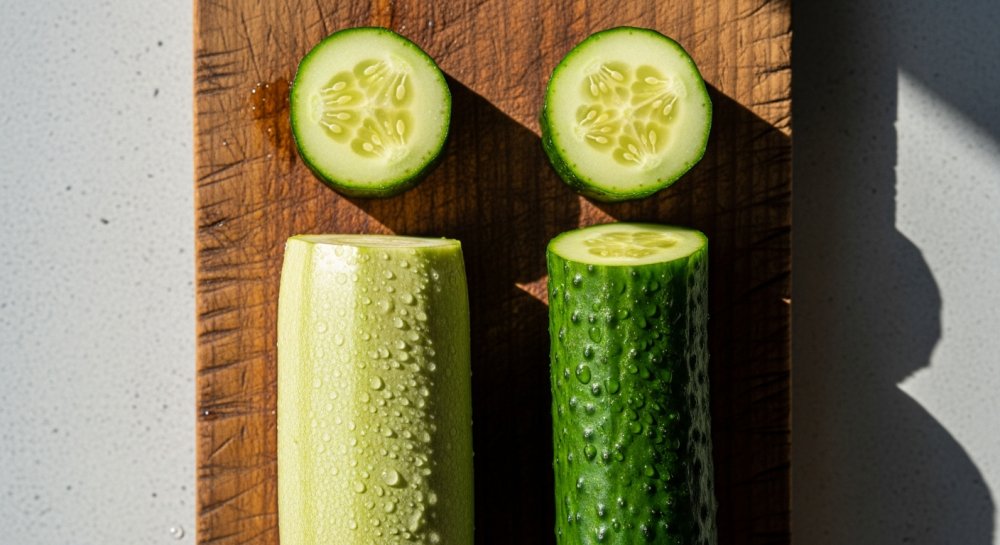
When you’re standing in the produce aisle, cucumbers and zucchini might look like close cousins. Both are green, cylindrical, and undeniably refreshing. But nutritionists say these summer staples couldn’t be more different when it comes to what they offer your body.
The hydration question has a clear answer, though the margin is razor-thin. Cucumbers edge out zucchini with 95% water content compared to 94%.
Yet the nutrient profile tells a completely different story—one that might change which vegetable you reach for next time.
“Zucchini is technically a fruit, but we treat it as a vegetable in cooking,” says registered dietitian Emily Chen, a nutrition consultant based in Phoenix. “That botanical distinction actually hints at its richer nutrient density.”
The numbers bear this out. A cup of raw zucchini delivers 33 milligrams of vitamin C—about 37% of your daily requirement. Cucumbers provide just 6 milligrams in the same serving size.
Zucchini also contains higher levels of potassium, an essential mineral for heart health and blood pressure regulation. One cup provides 512 milligrams compared to cucumber’s 273 milligrams.
The B-vitamin advantage extends across the board. Zucchini offers more folate, vitamin B6, and riboflavin—nutrients critical for energy production and cellular function.
Both vegetables shine in the calorie department, making them ideal for those managing their weight. Cucumbers clock in at just 16 calories per cup, while zucchini contains 20 calories. The difference is negligible for most eating plans.
“For hydration purposes, both are excellent choices,” Chen explains. “The 1% difference in water content won’t make or break your hydration status.”
Fiber content slightly favors zucchini as well, with 1.2 grams per cup compared to cucumber’s 0.5 grams. That extra fiber supports digestive health and helps maintain stable blood sugar levels throughout the day.
Cucumbers do have one notable advantage: their cooling properties. Traditional medicine systems have long recognized cucumber’s ability to reduce inflammation and soothe digestive discomfort.
The skin makes a difference too. Cucumber peels contain most of the vegetable’s antioxidants and fiber. Zucchini skin holds similar benefits, plus chlorophyll that supports detoxification processes.
Preparation method affects nutritional value significantly. Raw consumption preserves the most nutrients in both vegetables. Cooking zucchini, however, can increase the bioavailability of certain antioxidants like beta-carotene.
“I tell my clients over 40 to think about variety,” says Chen. “Rotating between these vegetables ensures you’re getting different phytonutrients and polyphenols.”
The sodium content in both remains remarkably low—less than 10 milligrams per cup. This makes them heart-friendly options for those monitoring blood pressure or following low-sodium diets.
Cucumbers contain a compound called cucurbitacin, which research suggests may have anti-cancer properties. Zucchini contains lutein and zeaxanthin, carotenoids that protect eye health as we age.
Storage and shelf life differ between the two. Cucumbers typically last longer in the refrigerator, maintaining their crispness for up to a week. Zucchini tends to soften more quickly, ideally consumed within four to five days of purchase.
The versatility factor leans toward zucchini in the kitchen. It can be spiralized into noodles, baked into bread, grilled, sautéed, or eaten raw. Cucumbers excel in salads and as crudités but have fewer cooking applications.
For those managing diabetes, both vegetables have a low glycemic index and won’t cause blood sugar spikes. Their high water and fiber content actually helps regulate glucose levels after meals.
Organic versus conventional matters differently for each. Cucumbers typically appear on the “Dirty Dozen” list of produce with higher pesticide residues, while zucchini generally tests cleaner.
“Cost-effectiveness is another consideration,” notes Chen. “Zucchini often provides more bang for your buck nutritionally, even if prices are comparable.”
The verdict? For pure hydration on a hot summer day, reach for cucumber. For a more nutrient-dense addition to your meals, zucchini takes the crown. Better yet, enjoy both regularly to maximize the unique benefits each one brings to your table.
