Nutrition
Five Beverages May Add Years to Your Life, Nutrition Expert Reveals

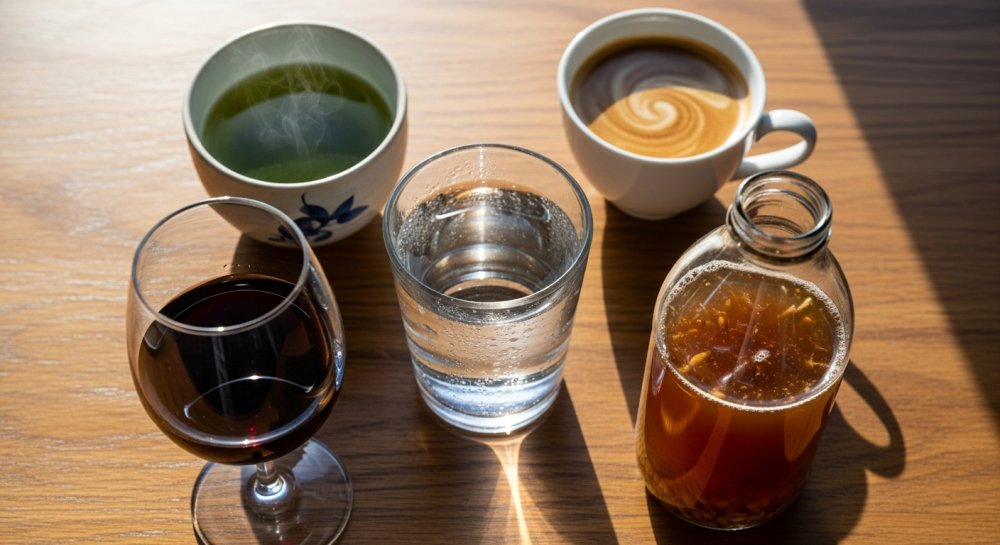
Health Points
- Water, green tea, coffee, red wine in moderation, and kombucha contain compounds linked to cellular health and disease prevention
- Antioxidants in these drinks may reduce inflammation and protect against age-related conditions
- Hydration and polyphenol intake are key factors in supporting cardiovascular and metabolic health as we age
For Americans over 40 looking to support their health and longevity, the beverages we choose matter more than many realize. While no single drink can guarantee added years, nutrition science points to several options that may help protect against age-related decline when incorporated into a balanced lifestyle.
A registered dietitian has identified five drinks that stand out for their potential longevity benefits, based on current research. These beverages share common features: they’re rich in antioxidants, support hydration, and contain compounds that may reduce inflammation—a key driver of many chronic diseases.
Water: The Foundation of Cellular Health
The most fundamental choice for longevity is also the simplest. Proper hydration becomes increasingly important as we age, since older adults often experience a decreased sense of thirst. Water supports every cellular function in the body, from nutrient transport to waste removal.
Dehydration can impair cognitive function, kidney health, and cardiovascular performance. Studies have linked adequate water intake with lower risks of chronic disease and better physical function in later years. For those over 40, maintaining consistent hydration throughout the day should be a non-negotiable health practice.
Green Tea: Ancient Wisdom Meets Modern Science
Green tea has been valued in traditional Eastern medicine for centuries, and contemporary research validates many of its purported benefits. The beverage contains powerful antioxidants called catechins, particularly epigallocatechin gallate (EGCG), which may protect cells from oxidative damage.
Multiple population studies have associated regular green tea consumption with reduced risk of cardiovascular disease and certain cancers. The polyphenols in green tea may also support brain health, potentially lowering the risk of cognitive decline. For maximum benefit, nutrition experts recommend brewing tea fresh rather than relying on bottled versions, which often contain added sugars and fewer active compounds.
Coffee: More Than a Morning Ritual
Good news for coffee lovers: your daily brew may be doing more than providing an energy boost. Research increasingly suggests that moderate coffee consumption—typically three to four cups daily—is associated with longevity benefits.
Coffee is rich in antioxidants and bioactive compounds that may reduce inflammation and support liver health. Large-scale studies have linked coffee drinking with lower risks of type 2 diabetes, Parkinson’s disease, and certain liver conditions. The key is moderation and avoiding excessive added sugar or high-calorie creamers that can negate health benefits.
Red Wine: The Case for Mindful Moderation
Red wine has long been associated with the “French Paradox”—the observation that French populations with moderate wine consumption showed lower heart disease rates despite diets higher in saturated fat. The compound resveratrol, found in grape skins, has generated significant research interest for its potential anti-aging properties.
However, health professionals emphasize that moderation is critical. For women, this means no more than one glass daily; for men, up to two glasses. The potential cardiovascular benefits must be weighed against alcohol’s known risks, including increased cancer risk with excessive consumption. Those who don’t currently drink shouldn’t start for health reasons, as the risks may outweigh benefits for some individuals.
Kombucha: Fermented Benefits
This fermented tea beverage has gained popularity in recent years, and its probiotic content may offer legitimate health advantages. Kombucha contains beneficial bacteria that support gut health, and emerging research links a healthy microbiome to immune function, mental health, and even longevity.
The fermentation process also produces organic acids and antioxidants. While research specifically on kombucha and longevity is limited, the broader evidence supporting fermented foods and gut health is compelling. When choosing kombucha, select options with minimal added sugar—many commercial varieties contain surprisingly high amounts that can undermine health benefits.
Making Smart Beverage Choices
Incorporating these drinks into a healthy lifestyle means more than simply adding them to your routine. It also requires reducing or eliminating beverages that harm health, particularly sugar-sweetened drinks, which are linked to obesity, diabetes, and cardiovascular disease.
For those over 40, being intentional about beverage choices represents a simple but meaningful way to support long-term health. Combined with a nutrient-rich diet, regular physical activity, quality sleep, and stress management, these drinks may contribute to not just living longer, but living better through our later years.
As with any dietary change, individuals with specific health conditions or those taking medications should consult healthcare providers before significantly altering their beverage intake, particularly regarding caffeine and alcohol consumption.
