Health
Your Nails May Be Warning You About Age-Related Health Changes

Health Points
- Nail changes after 40 are normal but can indicate underlying health issues
- Vertical ridges and slower growth are common signs of aging nails
- Proper nutrition and hydration support healthy nail aging
As we reach our 40s and beyond, many of us notice changes throughout our bodies—and our nails are no exception. These small but significant shifts in nail appearance and texture often reflect the natural aging process, though some changes warrant closer attention from a healthcare provider.
Dermatologists emphasize that understanding what’s normal versus what requires medical evaluation can help us maintain both nail health and overall wellness. Here’s what you need to know about the seven most common nail changes that occur with age.
Vertical Ridges Become More Pronounced
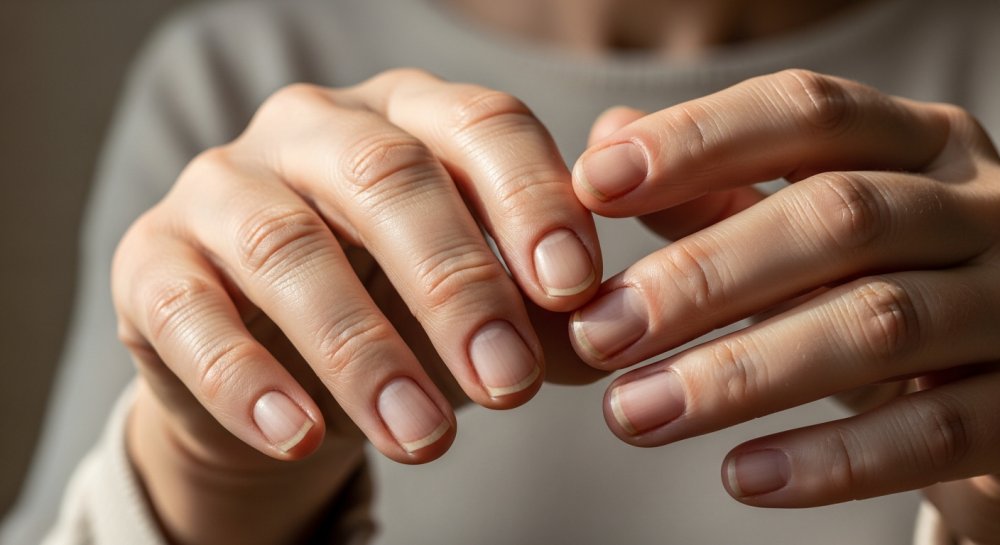
One of the most common age-related nail changes involves the appearance of vertical ridges running from the cuticle to the tip. These ridges typically become more noticeable after age 40 and tend to increase over time.
Board-certified dermatologists explain that vertical ridging occurs as the nail matrix—the area where new nail cells form—experiences decreased cell turnover with age. This natural process mirrors other signs of aging in the skin and body.
“Think of vertical nail ridges like wrinkles in your skin—they’re a normal part of the aging process and usually nothing to worry about,” dermatologists note.
While vertical ridges are typically benign, horizontal ridges or deep grooves across the nail may signal underlying health conditions and should be evaluated by a physician.
Nail Growth Slows Considerably
Many people notice their nails don’t grow as quickly as they once did. This slowdown is a documented part of the aging process.
Research shows that nail growth rate decreases progressively with age due to reduced blood circulation and slower cellular regeneration. Fingernails typically grow about 3.5 millimeters per month in younger adults but may slow by up to 50% in older individuals.
This slower growth means that damage to the nail takes longer to grow out, and maintaining preferred nail length requires less frequent trimming.
Nails May Become More Brittle
Brittleness, splitting, and peeling become increasingly common nail complaints as we age. These changes often result from decreased moisture retention and reduced oil production in the nail bed.
Environmental factors compound age-related brittleness—frequent hand washing, exposure to cleaning products, and dry indoor air all contribute to nail dehydration. Women are particularly susceptible to brittle nails, especially after menopause when hormonal changes affect nail structure.
Dermatologists recommend regular moisturizing, wearing gloves during household chores, and avoiding harsh nail products to minimize brittleness.
Color Changes May Appear
Healthy nails typically appear pink with a white tip, but color variations become more common with age. Nails may develop a yellowish or grayish tint due to accumulated keratin debris or environmental exposure.
Some discoloration is harmless, but certain color changes require medical attention. Dark streaks, particularly in individuals with darker skin tones, should always be evaluated to rule out melanoma.
“Any new pigmentation, especially a dark vertical band, should be checked by a dermatologist promptly,” medical experts advise.
White spots or streaks are usually caused by minor trauma and grow out naturally with the nail.
Nail Thickness Changes
With age, nails may become either thicker or thinner. Thickening often occurs in toenails and can make them difficult to trim.
This change results from accumulated nail cells that aren’t shed efficiently, creating layers of thickened keratin. Fungal infections become more common with age and can also cause significant thickening.
Conversely, some people experience nail thinning, making nails more fragile and prone to splitting. This thinning may reflect nutritional deficiencies or underlying health conditions.
Shape Alterations Develop
The natural curvature and shape of nails can change over time. Some nails become more curved, while others flatten or develop abnormal contours.
Certain shape changes have clinical significance—nails that curve downward at the tips (clubbing) can indicate lung or heart disease. Spoon-shaped nails (koilonychia) may suggest iron deficiency anemia.
Regular monitoring of nail shape helps identify potential health issues early.
Increased Susceptibility to Fungal Infections
Fungal nail infections become significantly more common after age 60. Approximately 20% of adults over 60 develop nail fungus at some point.
Decreased immunity, slower nail growth, and increased circulation issues all contribute to higher infection rates. Fungal infections typically cause thickening, discoloration, and crumbling of the nail.
Prompt treatment is important, as fungal infections rarely resolve without intervention and can spread to other nails.
Supporting Healthy Nails Through the Years
While some nail changes are inevitable, several strategies promote optimal nail health as we age. Adequate hydration supports nail flexibility and strength from within.
A balanced diet rich in biotin, protein, iron, and omega-3 fatty acids provides essential building blocks for healthy nails. Foods like eggs, salmon, nuts, and leafy greens support nail structure.
Gentle nail care practices protect aging nails—avoid harsh chemicals, keep nails at moderate length, and moisturize regularly. Using a nail strengthener or cuticle oil can provide additional protection.
Regular check-ups with a dermatologist help identify concerning changes early. Many age-related nail changes are manageable with proper care and attention.
Understanding that nail changes are a normal part of aging empowers us to distinguish between expected variations and changes that warrant medical evaluation. By maintaining good nail hygiene and nutrition, we can support healthy nails throughout our lives.
