Nutrition
The Hidden Power of This Garden Staple Could Support Your Heart and Digestion

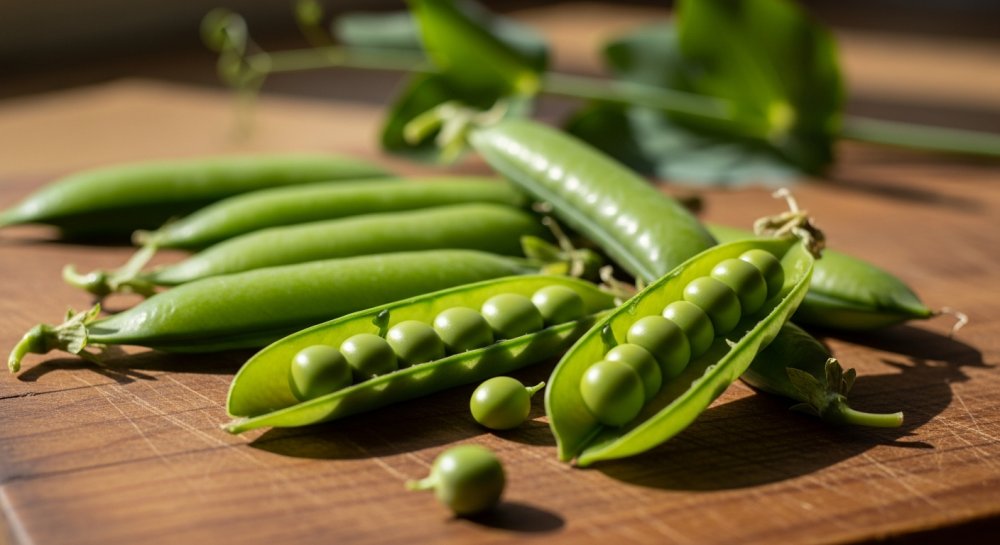
Health Points
- Peas are rich in plant-based protein, fiber, and essential vitamins that support heart health and digestive function
- The antioxidants in peas may help reduce inflammation and protect against chronic disease
- Regular consumption of peas can contribute to blood sugar regulation and weight management
A humble vegetable often relegated to the side of the plate deserves a closer look for its impressive nutritional profile. Peas pack a surprising punch when it comes to supporting overall wellness, especially for those navigating health concerns that become more common after 40.
These small green spheres contain significant amounts of plant-based protein and fiber, making them valuable allies for heart health and digestive comfort. A single cup of cooked peas delivers about 8 grams of protein and 9 grams of fiber—nutrients that work together to help stabilize blood sugar levels and promote a feeling of fullness that can support healthy weight management.
The fiber content in peas plays a dual role in the body. Soluble fiber helps lower cholesterol by binding to bile acids in the digestive system, while insoluble fiber supports regular bowel movements and feeds beneficial gut bacteria.
Beyond protein and fiber, peas offer an abundance of vitamins and minerals essential for aging well. They’re particularly rich in vitamin K, which supports bone health and proper blood clotting, and vitamin C, which bolsters immune function and skin health.
The antioxidant compounds found in peas, including flavonoids and carotenoids, may help combat inflammation throughout the body. Chronic inflammation has been linked to numerous age-related conditions, from arthritis to cardiovascular disease, making anti-inflammatory foods particularly valuable for those in their middle years and beyond.
Peas also contain polyphenols and other plant compounds that researchers believe may offer protective benefits against certain chronic diseases. While no single food serves as a magic bullet, incorporating nutrient-dense vegetables like peas into regular meal planning contributes to an overall pattern of eating that supports longevity and vitality.
For individuals managing blood sugar concerns, peas offer a low glycemic index option that provides sustained energy without dramatic spikes. The combination of protein, fiber, and complex carbohydrates makes them a smart choice for balanced meals throughout the day.
Fresh, frozen, and dried peas all retain beneficial nutrients, making this vegetable accessible year-round. Frozen peas are often flash-frozen at peak ripeness, preserving their nutritional content effectively.
Adding peas to soups, salads, grain bowls, or simply enjoying them as a side dish represents an easy way to boost the nutritional quality of meals. Their mild, slightly sweet flavor pairs well with a wide range of cuisines and cooking methods.
For those seeking to support heart health, maintain a healthy weight, or simply nourish their bodies with wholesome foods, peas offer a simple, affordable option that delivers real health benefits without complicated preparation or exotic ingredients.
