Health
The Sleep Secret Hiding in Your Linen Closet

Health Points
- Weighted blankets may reduce anxiety and improve sleep quality for some adults, though research remains limited
- These blankets work through deep pressure stimulation, which can calm the nervous system
- Experts recommend choosing a blanket that’s roughly 10% of your body weight for optimal benefits
Many Americans struggling with sleepless nights are turning to an unlikely solution: blankets that weigh up to 25 pounds. While these therapeutic bedding products have surged in popularity over recent years, the science behind their effectiveness tells a more nuanced story.
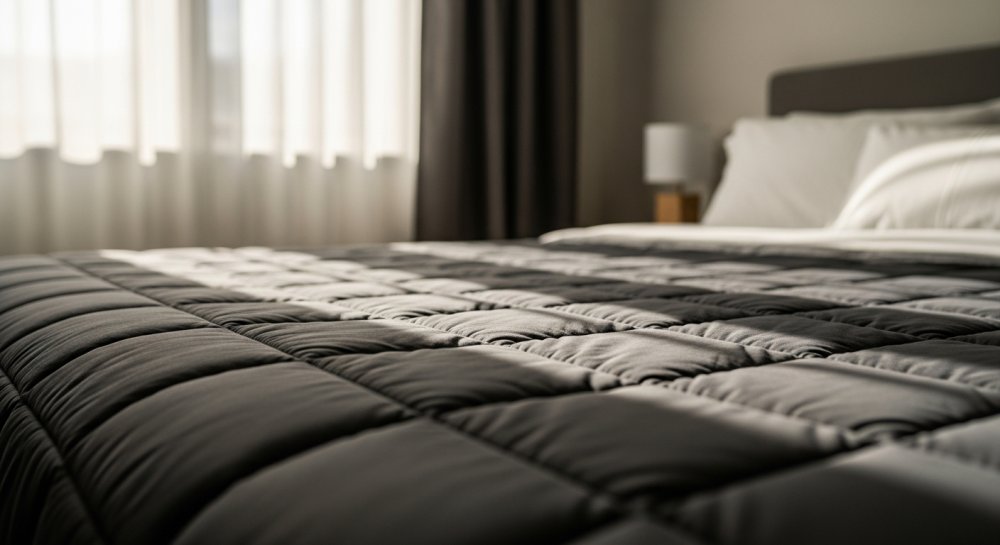
Weighted blankets differ from traditional bedding by incorporating materials like glass beads or plastic pellets sewn into compartments throughout the fabric. The result is a heavier covering that applies gentle, constant pressure across the body—a technique known as deep pressure stimulation.
“Deep pressure stimulation can help calm the nervous system by promoting the release of serotonin and melatonin while reducing cortisol levels,” explains Dr. Sarah Mitchell, a sleep specialist at Johns Hopkins Medicine. “This creates conditions more favorable for sleep.”
Several small studies have shown promising results. A 2020 study published in the Journal of Clinical Sleep Medicine found that participants using weighted blankets reported reduced insomnia severity and improved sleep maintenance. Another study from Sweden’s Karolinska Institute demonstrated that adults with anxiety disorders experienced better sleep quality when using weighted blankets.
However, researchers caution that the evidence base remains relatively small. Most studies have involved fewer than 100 participants, and long-term effects haven’t been extensively studied.
“While many people report subjective improvements in sleep quality, we need larger, more rigorous clinical trials to fully understand how effective weighted blankets are compared to other sleep interventions,” notes Dr. Michael Chen, director of the Stanford Sleep Medicine Center.
For those interested in trying weighted blankets, sleep experts generally recommend selecting one that weighs approximately 10% of your body weight. A 150-pound person, for instance, might choose a 15-pound blanket. The weight should feel comforting rather than restrictive.
Certain groups should exercise caution or avoid weighted blankets altogether. Young children under age two, individuals with respiratory conditions, and people with circulation problems should consult healthcare providers before use. The added weight could pose risks for those with limited mobility or certain medical conditions.
Quality varies significantly among products on the market. Better-designed blankets distribute weight evenly through smaller compartments, preventing beads or pellets from shifting to one area. Breathable fabrics help regulate temperature, addressing a common complaint that weighted blankets can feel too warm.
Price points range from $50 to over $300, depending on size, materials, and construction quality. While premium options often feature better weight distribution and more durable fabrics, mid-range products can still provide therapeutic benefits for many users.
“A weighted blanket isn’t a magic cure for sleep problems,” Dr. Mitchell emphasizes. “It works best as part of a comprehensive approach to sleep hygiene that includes consistent sleep schedules, a cool dark bedroom, and limited screen time before bed.”
For individuals dealing with chronic insomnia or sleep disorders, weighted blankets shouldn’t replace medical evaluation and treatment. Underlying conditions such as sleep apnea, restless leg syndrome, or hormonal imbalances require proper diagnosis and targeted intervention.
Some users report an adjustment period when first using weighted blankets. The sensation can feel unfamiliar or even uncomfortable initially, though most people adapt within several nights. Starting with lighter weights and gradually increasing can ease the transition.
The sensory appeal of weighted blankets extends beyond sleep improvement. Many people use them while reading, watching television, or during stressful moments throughout the day. The calming pressure can provide comfort during anxiety episodes or help with focus for those with attention difficulties.
Despite limited large-scale research, the anecdotal success stories continue to drive demand. Online reviews frequently mention reduced tossing and turning, faster sleep onset, and a greater sense of security while sleeping.
As with many wellness trends, weighted blankets represent one tool among many for addressing sleep challenges. While they may offer genuine benefits for some individuals, they aren’t a substitute for addressing root causes of poor sleep or maintaining healthy sleep habits.
For Americans over 40, quality sleep becomes increasingly important for overall health, cognitive function, and disease prevention. Whether through weighted blankets, environmental adjustments, or other interventions, prioritizing good sleep hygiene remains essential for healthy aging.
