Nutrition
These 10 Fruit and Vegetable Peels Could Be the Healthiest Part You’re Throwing Away

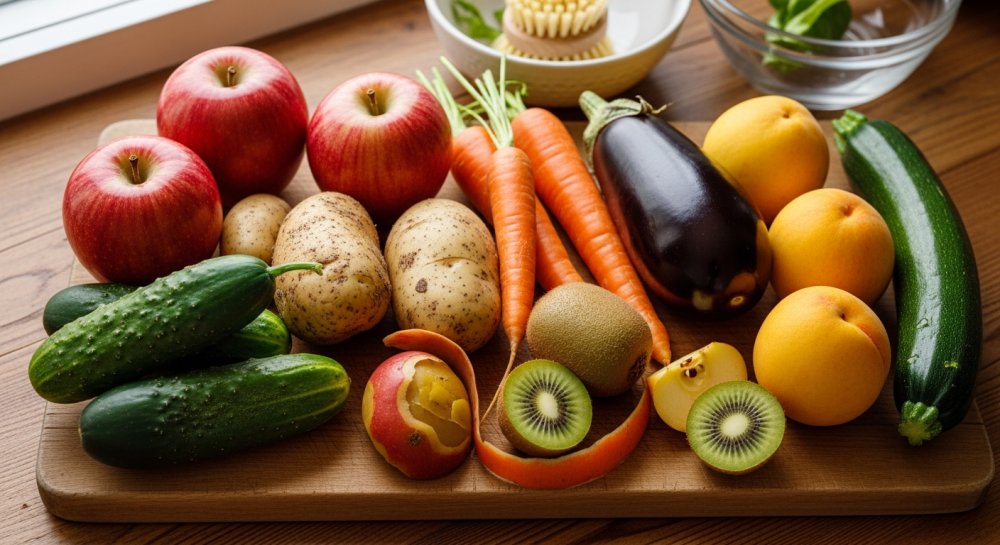
Health Points
- Many fruit and vegetable peels contain higher concentrations of fiber, vitamins, and antioxidants than the flesh itself
- Washing produce thoroughly removes most pesticide residue, making peels safe to consume when properly cleaned
- Eating peels reduces food waste while maximizing nutritional benefits from everyday produce
For years, Americans have been peeling their apples, scrubbing their potatoes bare, and tossing citrus rinds without a second thought. But nutrition experts say we’re discarding some of the most nutrient-dense parts of our produce—parts that could significantly boost our health while reducing household food waste.
The outer layers of fruits and vegetables often contain concentrated amounts of fiber, vitamins, minerals, and disease-fighting antioxidants that far exceed what’s found in the flesh. According to registered dietitians, incorporating these peels into your daily diet represents one of the simplest ways to enhance nutritional intake without changing what you buy at the grocery store.
“We’ve been conditioned to peel everything, but in many cases, we’re literally throwing away the best part,” explains a certified nutritionist specializing in whole-food approaches. “The peel is where plants concentrate their protective compounds—the very nutrients our bodies need.”
Concerns about pesticide residue on peels remain the primary reason many home cooks continue peeling produce. However, food safety research demonstrates that thoroughly washing fruits and vegetables under running water removes the vast majority of surface pesticides. For those seeking extra assurance, choosing organic options or using a produce wash provides additional peace of mind while preserving nutritional benefits.
Apple peels top the list of nutritious casings most frequently discarded. The skin contains quercetin, a powerful antioxidant linked to improved lung function and reduced inflammation. One medium apple with skin provides nearly four times the fiber of a peeled apple—fiber that supports digestive health and helps maintain stable blood sugar levels throughout the day.
Potato skins deliver substantial amounts of potassium, iron, and vitamin C. A single baked potato consumed with its skin contains more potassium than a banana, supporting healthy blood pressure and muscle function. The skin also provides resistant starch, which feeds beneficial gut bacteria and promotes metabolic health.
Cucumber peels pack a nutritional punch often overlooked in salad preparation. The dark green skin contains beta-carotene, which the body converts to vitamin A for eye health and immune function. Cucumber skin also provides vitamin K, essential for bone health and proper blood clotting.
Citrus peels, while less commonly consumed, offer remarkable health benefits. Orange, lemon, and lime zests contain concentrated amounts of vitamin C and flavonoids that support cardiovascular health. The white pith beneath the outer peel provides pectin, a soluble fiber that helps lower cholesterol levels.
“Zesting citrus fruits is an easy way to incorporate these beneficial compounds into everyday cooking,” notes a culinary nutrition expert. “A little goes a long way in terms of both flavor and nutrition.”
Carrot peels retain most of the vegetable’s beta-carotene, the compound responsible for their orange color and significant vision-supporting properties. Simply scrubbing carrots well instead of peeling preserves these nutrients while reducing prep time in the kitchen.
Eggplant skin contains nasunin, a potent antioxidant that protects cell membranes from damage and supports brain health. The deep purple color signals high anthocyanin content, compounds associated with reduced risk of chronic disease.
Kiwi fruit, though fuzzy, can be consumed entirely. The skin contains three times the fiber of the flesh and provides significant amounts of vitamin E and folate. Those who find the texture off-putting can try gold kiwis, which have smoother, less fuzzy skins.
Peach and nectarine skins offer concentrated amounts of vitamin A and fiber while adding pleasant texture to fresh fruit consumption. The slight fuzz on peach skin can be reduced by a gentle rub under cold water.
Zucchini and yellow squash peels contain lutein and zeaxanthin, carotenoids that accumulate in eye tissue and protect against age-related vision decline. These summer squashes require minimal preparation—a quick rinse makes them ready to slice and cook with peels intact.
Even banana peels, rarely considered edible in American cuisine, contain tryptophan, vitamin B6, and additional fiber. While the texture may be challenging raw, cooking or blending banana peels into smoothies makes them palatable while capturing their nutritional benefits.
Food waste reduction represents another compelling reason to embrace edible peels. American households discard nearly 40% of food purchased, with fruit and vegetable scraps comprising a significant portion. Utilizing peels transforms potential waste into valuable nutrition while reducing the environmental impact of food production and disposal.
Proper preparation ensures both safety and palatability when consuming peels. Washing produce under running water for at least 30 seconds removes dirt and surface contaminants. For produce with thicker peels or waxy coatings, using a vegetable brush helps ensure thorough cleaning.
Organic produce eliminates concerns about synthetic pesticide residue, though organic farming does employ certain approved pesticides. Regardless of farming method, washing remains important for removing dirt, bacteria, and handling residue from the supply chain.
Texture preferences vary, and some peels genuinely improve with removal for certain preparations. Butternut squash and pineapple have tough, inedible exteriors that require removal. Sweet potato skins can be enjoyable roasted but may be less appealing when mashed.
The key lies in distinguishing between peels discarded from habit versus those removed from necessity. Reconsidering automatic peeling habits opens opportunities for enhanced nutrition from familiar foods already in regular rotation.
For families seeking to improve dietary quality without overhauling meal plans or grocery budgets, eating more peels offers a practical starting point. The fiber boost alone supports digestive regularity, promotes satiety, and helps maintain healthy weight—outcomes that align with broader wellness goals for Americans over 40.
Starting small helps build new habits around peel consumption. Try leaving the skin on one type of produce this week, then gradually expand. Many people find that after a brief adjustment period, they prefer the added texture and flavor peels provide.
As nutrition science continues emphasizing whole foods and minimal processing, eating peels represents a return to traditional foodways. Previous generations, more attuned to food scarcity and self-sufficiency, routinely consumed produce in its entirety. Modern research validates what practical experience once taught—that nature packages nutrition efficiently, and we benefit most when we consume foods as close to their whole form as possible.
