Health
The Ancient Root That May Support Your Intimate Wellness After 40

Health Points
- Maca root, a Peruvian plant used for centuries, may naturally support sexual desire and energy levels in both men and women over 40
- Studies suggest maca may help improve reproductive function and ease certain menopausal symptoms without hormonal effects
- Healthcare providers recommend starting with small doses and choosing reputable brands, as supplement quality varies significantly
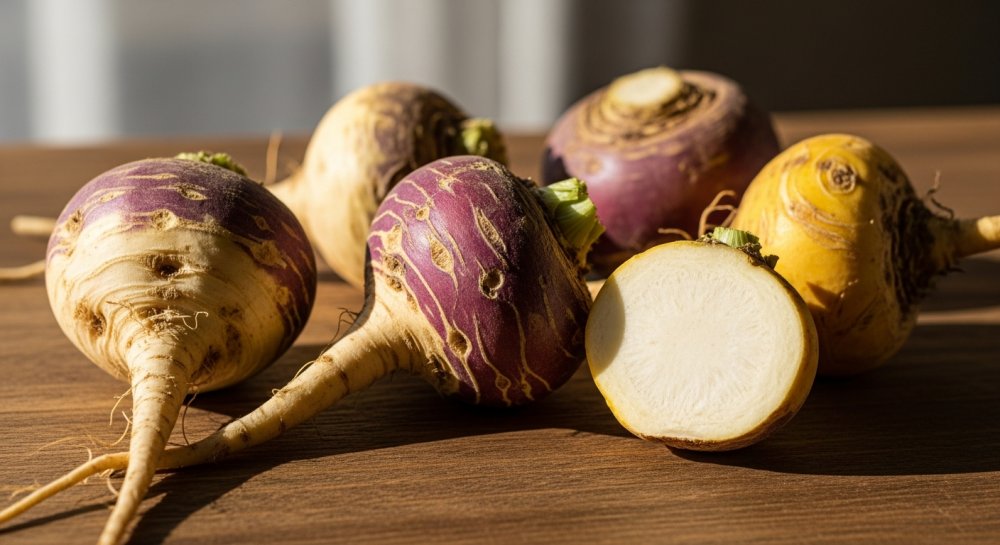
A humble root vegetable from the high peaks of Peru is gaining attention among health-conscious adults seeking natural approaches to intimate wellness. Maca root, cultivated for over 2,000 years in the Andes Mountains, has emerged as a popular supplement for those looking to support their sexual and reproductive health as they age.
The turnip-shaped plant, scientifically known as Lepidium meyenii, thrives at altitudes where few crops survive. Indigenous Peruvians have long valued maca for its energizing properties, and modern wellness seekers are now exploring what this ancient food might offer.
“Maca has been used traditionally to enhance fertility and libido, and while we’re still studying exactly how it works, many of my patients report positive effects,” explains Dr. Maria Stephens, a naturopathic physician specializing in women’s health.
Research suggests maca may work differently than hormone replacement therapy. Rather than directly altering hormone levels, the root appears to support the body’s natural systems. Several studies have examined its potential benefits for sexual desire, with some showing promising results for both men and women experiencing low libido.
For women navigating perimenopause and menopause, maca has shown particular promise. Clinical trials have indicated the supplement may help reduce hot flashes, night sweats, and mood fluctuations without the hormonal effects some women wish to avoid. The root comes in several varieties—red, black, and yellow—each potentially offering slightly different benefits.
Men exploring natural wellness options have also turned to maca for reproductive health support. Research has examined its effects on sperm quality and motility, with some studies suggesting improvements in these areas. Additionally, some men report enhanced energy and stamina when taking maca regularly.
“What’s interesting about maca is its adaptogenic properties,” notes nutritionist Robert Chen. “It seems to help the body adapt to stress, which can certainly impact intimate health and overall vitality.”
The supplement typically comes in powder or capsule form, with the powder offering versatility for adding to smoothies, oatmeal, or baked goods. Its slightly nutty, earthy flavor works well in many recipes. Most practitioners recommend starting with a small dose—around one teaspoon of powder or 500mg in capsule form—and gradually increasing as tolerated.
Quality matters significantly when choosing maca supplements. Experts advise looking for organic, gelatinized maca, which has been heated to remove starch and improve digestibility. Products should be tested for purity and sourced from reputable Peruvian farms where the plant naturally thrives.
While generally considered safe for most adults, maca may not be appropriate for everyone. Those with thyroid conditions should exercise caution, as maca contains compounds called goitrogens that could potentially affect thyroid function. Pregnant and nursing women should consult their healthcare providers before adding any new supplement to their routine.
Some users report mild side effects when first starting maca, including digestive discomfort or jitteriness. These effects typically resolve as the body adjusts. Taking maca with food and starting with smaller doses can help minimize any initial discomfort.
“I always tell patients that supplements work best as part of an overall healthy lifestyle,” Dr. Stephens emphasizes. “Maca isn’t a magic bullet, but for some people, it can be a helpful piece of the puzzle when combined with good nutrition, regular exercise, and stress management.”
The timeline for noticing effects varies among individuals. Some people report feeling more energized within days, while changes in sexual function and reproductive health may take several weeks to become apparent. Consistency appears to be key, with most practitioners recommending at least four to six weeks of regular use before evaluating effectiveness.
As interest in natural health solutions continues to grow among Americans over 40, maca root represents a time-tested option worth considering. Its long history of traditional use, combined with emerging scientific evidence, makes it an intriguing choice for those seeking to support their intimate wellness naturally.
Anyone considering maca supplementation should discuss it with their healthcare provider, especially if taking medications or managing chronic health conditions. A qualified practitioner can help determine appropriate dosing and monitor for any potential interactions or concerns.
