Health
What Your Liver May Be Trying to Tell You About Your Overall Health

Health Points
- ALT blood tests measure a key liver enzyme that can reveal early signs of organ damage or disease
- Elevated ALT levels often signal liver inflammation from causes ranging from medication side effects to fatty liver disease
- Regular monitoring helps catch potential health issues early, when lifestyle changes may still reverse damage
When was the last time you thought about your liver? For most Americans over 40, this hardworking organ rarely crosses their minds—until a routine blood test reveals something unexpected.
The alanine aminotransferase (ALT) test measures an enzyme produced primarily in the liver, and it’s become one of the most valuable tools doctors have for detecting liver problems before symptoms even appear.
<"This is often the first clue we get that something's happening with the liver," explains Dr. Raymond Chung, director of hepatology at Massachusetts General Hospital. "The beauty of the ALT test is its sensitivity—it can pick up inflammation when the liver is just beginning to struggle."
Understanding what this simple blood test reveals could be crucial for protecting your long-term health.
What the ALT Test Actually Measures
ALT is an enzyme found mainly in liver cells, where it helps process proteins and produce energy. When liver cells become damaged or inflamed, they release ALT into the bloodstream, where it shows up in blood tests.
Normal ALT levels typically range from 7 to 56 units per liter, though the exact range varies slightly between laboratories. Men generally have slightly higher baseline levels than women.
“Think of ALT like a smoke detector,” says Dr. Norah Terrault, a liver specialist at the University of Southern California. “It doesn’t tell you exactly what’s wrong, but it alerts you that something needs attention.”
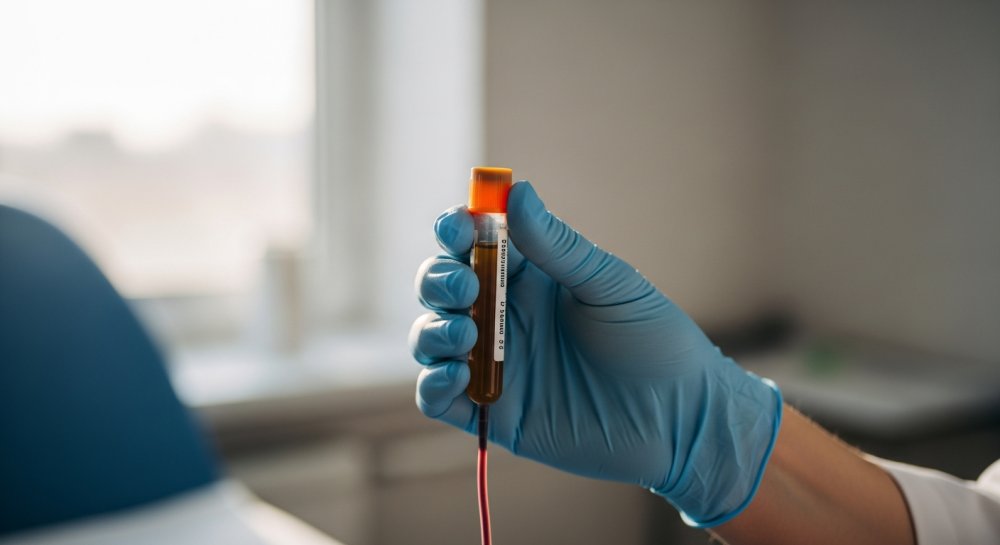
The test is usually included as part of a comprehensive metabolic panel or liver function panel during routine checkups. It’s quick, inexpensive, and requires only a standard blood draw.
What Elevated Levels Mean for Your Health
When ALT levels rise above normal, it indicates the liver is under stress. The degree of elevation helps doctors assess severity and urgency.
Mildly elevated levels—up to twice the normal range—are common and may result from recent alcohol consumption, certain medications (including over-the-counter pain relievers), or temporary viral infections. Moderate elevations, between two and five times normal, often point to chronic conditions like non-alcoholic fatty liver disease (NAFLD), which now affects nearly 25% of American adults.
Significantly elevated levels—more than five times normal—can signal serious conditions including hepatitis, cirrhosis, or acute liver injury. These require immediate medical attention.
“We’re seeing more elevated ALT in people who don’t drink alcohol at all,” notes Dr. Terrault. “That’s largely driven by the obesity epidemic and metabolic syndrome.”
Common Causes Beyond Liver Disease
While the ALT test primarily measures liver health, several factors outside the liver can influence results.
Intense exercise can temporarily raise ALT levels as muscles release small amounts of the enzyme. Some muscle disorders also elevate ALT, which is why doctors often order additional tests when levels are high.
Medications present another common culprit. Statins for cholesterol, certain antibiotics, and even herbal supplements can all push ALT levels upward. If you’re taking multiple medications, your doctor may need to evaluate which ones might be affecting your liver.
“Always bring a complete list of everything you’re taking—including vitamins and supplements—when discussing abnormal liver tests,” advises Dr. Chung.
When to Seek Medical Attention
An elevated ALT reading doesn’t automatically mean serious illness, but it does warrant follow-up. Your doctor will typically recheck levels in a few weeks to see if the elevation persists.
Persistent elevations require investigation. This usually includes additional blood tests to check for hepatitis viruses, autoimmune conditions, and metabolic factors like diabetes and high cholesterol.
Imaging studies such as ultrasound may follow to examine the liver’s structure and look for fat accumulation or scarring.
“The key is not panicking with a single abnormal result,” says Dr. Terrault. “But you do want to take it seriously enough to find out why it’s happening.”
Warning signs that require immediate medical attention include yellowing of the skin or eyes, severe abdominal pain, unexplained weight loss, or extreme fatigue alongside elevated ALT.
Protecting Your Liver Health
For many people over 40, lifestyle modifications can bring elevated ALT levels back to normal and prevent long-term damage.
Weight loss remains the most effective intervention for fatty liver disease. Studies show that losing just 7-10% of body weight can significantly reduce liver inflammation and fat accumulation.
Limiting alcohol consumption protects the liver from additional stress. Even moderate drinking can compound existing liver problems, so many doctors recommend abstaining entirely if ALT levels are elevated.
Regular exercise benefits the liver directly, independent of weight loss. Aim for at least 150 minutes of moderate activity weekly.
Diet matters too. The Mediterranean diet—rich in vegetables, whole grains, and healthy fats—has shown particular promise for improving liver health.
“Your liver has remarkable regenerative capacity,” Dr. Chung emphasizes. “If you catch problems early and make changes, the liver can often heal itself.”
Regular monitoring through follow-up blood tests ensures that interventions are working and problems aren’t progressing silently.
The Bigger Picture of Preventive Care
The ALT test exemplifies why routine screening matters, especially as we age. Many liver conditions develop gradually without obvious symptoms until significant damage has occurred.
According to the American Liver Foundation, one in three Americans has some form of liver disease, yet many don’t know it. Early detection through simple blood tests creates opportunities for intervention before conditions become irreversible.
If you’re over 40, haven’t had a comprehensive metabolic panel recently, or have risk factors like obesity, diabetes, or a family history of liver disease, ask your doctor about including liver enzyme tests in your next checkup.
Understanding what your numbers mean—and what to do about them—empowers you to take control of your health before small problems become big ones.
