Health
The Hidden Risks Behind America’s Newest Tea Trend

Health Points
- Kratom tea can cause serious side effects including nausea, confusion, and elevated heart rate even in small amounts
- The FDA has not approved kratom for any medical use and warns consumers about contamination risks and addiction potential
- Regular kratom use may lead to physical dependence, with withdrawal symptoms comparable to opioid withdrawal
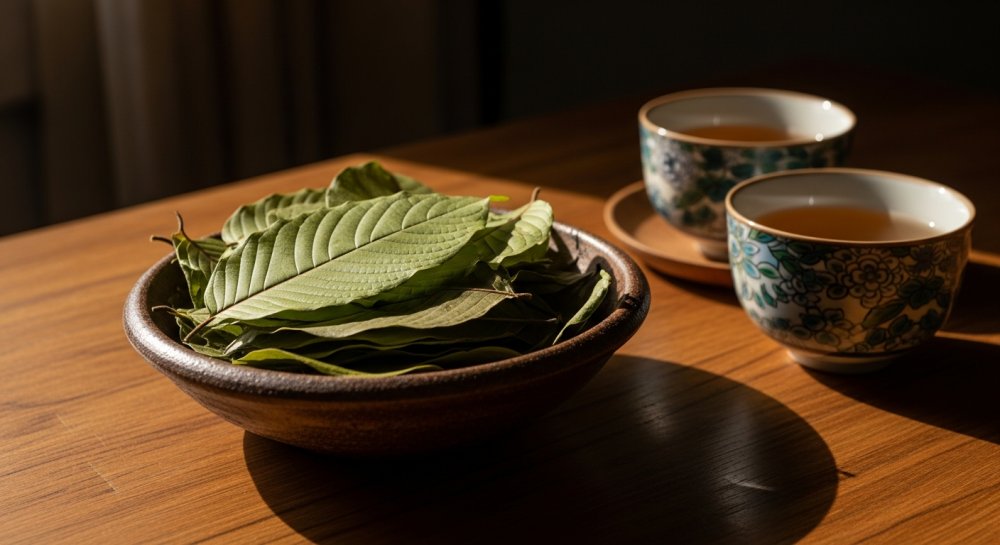
A botanical beverage gaining popularity in health circles across America carries risks that many consumers may not fully understand. Kratom tea, made from the leaves of a Southeast Asian tree, has emerged as a trending wellness product despite serious safety concerns from federal health authorities.
Kratom comes from the Mitragyna speciosa tree, native to Thailand, Malaysia, and other parts of Southeast Asia. While the plant has traditional uses in its countries of origin, its rise in American wellness culture has prompted warnings from medical experts about potentially dangerous side effects.
The Food and Drug Administration has not approved kratom for any medical purpose. The agency has documented numerous safety issues associated with kratom products, including contamination with heavy metals and harmful bacteria like salmonella.
Users of kratom tea report a range of adverse effects. Common side effects include nausea, sweating, dry mouth, constipation, loss of appetite, and increased urination. More serious reactions can include confusion, hallucinations, delusions, tremors, and elevated heart rate.
The compounds in kratom leaves interact with opioid receptors in the brain, which explains both its appeal and its risks. This interaction can produce effects similar to opioid drugs, creating potential for dependence and addiction.
“Kratom is not a benign botanical supplement,” experts in addiction medicine caution.
Regular kratom users may develop physical dependence, experiencing withdrawal symptoms when they stop using the product. These withdrawal symptoms can mirror opioid withdrawal, including muscle aches, insomnia, irritability, hostility, aggression, emotional changes, runny nose, and jerky movements.
The potency of kratom tea varies significantly depending on how it’s prepared and the source of the leaves. This inconsistency makes it difficult for users to control their dosage, increasing the risk of adverse effects.
Contamination presents another serious concern. FDA testing has found kratom products tainted with heavy metals at levels that exceed safety standards. Some kratom products have also tested positive for salmonella, leading to widespread outbreaks of foodborne illness.
The Drug Enforcement Administration has listed kratom as a “drug of concern.” While kratom remains legal at the federal level, several states and localities have banned or restricted its sale and possession.
Between 2011 and 2017, poison control centers received over 1,800 reports involving kratom exposure. The Centers for Disease Control and Prevention has linked kratom to nearly 100 overdose deaths, often in combination with other substances.
Health care providers express particular concern about kratom’s use among individuals seeking alternatives to prescription pain medications. The substance’s opioid-like effects may provide temporary relief but carry significant risks of dependency.
Consumers seeking natural remedies for pain or other health conditions should consult with medical professionals about evidence-based treatment options. The lack of FDA approval means kratom products are not subject to the same safety testing and quality control standards as approved medications.
Traditional values emphasizing family health and making informed decisions become especially important when evaluating unregulated botanical products. Parents and caregivers should be aware that kratom products are sometimes marketed online in ways that may appeal to younger consumers.
The bottom line on kratom tea is clear from a health standpoint: the risks outweigh any purported benefits. With no approved medical uses, documented contamination issues, potential for addiction, and serious side effects, this trending beverage deserves a cautious approach from American consumers seeking to protect their health and wellbeing.
