Nutrition
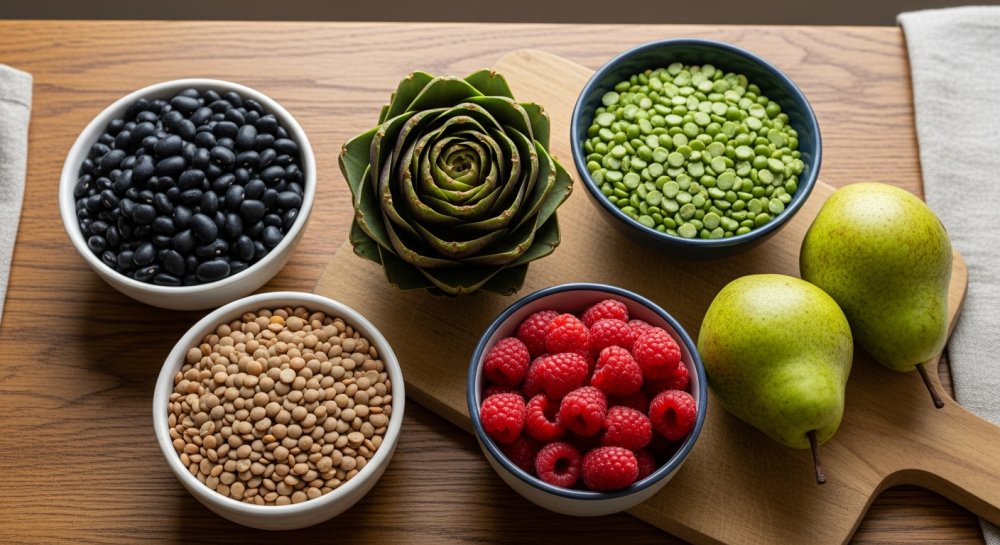
Six Everyday Foods That Secretly Outrank Brown Rice in Fiber

Health Points
- Brown rice contains about 3.5 grams of fiber per cup, but several common foods deliver significantly more
- Fiber supports digestive health, helps maintain healthy blood sugar levels, and promotes heart health
- Adding fiber-rich alternatives to your diet can help meet the recommended daily intake of 25-35 grams
Brown rice has long been celebrated as a fiber powerhouse in healthy diets. But while this whole grain certainly deserves its reputation, several everyday foods actually contain even more fiber per serving.
One cup of cooked brown rice provides approximately 3.5 grams of dietary fiber. That’s a respectable amount, especially compared to its white rice counterpart, which contains less than one gram per cup.
However, nutrition experts point out that many Americans still fall short of the recommended daily fiber intake. Women should aim for 25 grams daily, while men need about 38 grams, according to dietary guidelines.
The good news? Several accessible, affordable foods can help bridge that gap with even higher fiber counts than brown rice.
Black Beans Lead the Pack
Black beans top the list with an impressive 15 grams of fiber per cup when cooked. That’s more than four times the amount found in brown rice.
These legumes also provide substantial protein and essential minerals like iron and magnesium. Their versatility makes them easy to incorporate into soups, salads, tacos, or as a simple side dish.
Split Peas Deliver Double Duty
Cooked split peas offer about 16 grams of fiber per cup, making them one of the most fiber-dense foods available. They’re also an excellent source of plant-based protein.
Split peas break down easily during cooking, creating creamy textures perfect for hearty soups and stews. Their mild flavor adapts well to various seasonings and cooking styles.
Lentils Provide Quick Nutrition
With approximately 15.6 grams of fiber per cooked cup, lentils match black beans in fiber content while cooking much faster than most dried legumes. Many varieties require no pre-soaking and cook in under 30 minutes.
Red, green, and brown lentils each offer slightly different textures and flavors. They work well in salads, curries, and as meat substitutes in various recipes.
Artichokes Offer Surprising Benefits
One medium artichoke contains about 10.3 grams of fiber, nearly three times the amount in a cup of brown rice. These vegetables also provide antioxidants and vitamin C.
While fresh artichokes require some preparation, canned or frozen artichoke hearts offer convenient alternatives. They add substance to pasta dishes, pizzas, and dips.
Raspberries Pack Fruit Power
Among fruits, raspberries stand out with 8 grams of fiber per cup of fresh berries. They significantly outpace brown rice while adding natural sweetness and vibrant color to meals.
Fresh or frozen raspberries work equally well for fiber content. They enhance breakfast bowls, smoothies, salads, and desserts while providing vitamin C and antioxidants.
Pears Provide Convenient Fiber
A medium pear with the skin on contains approximately 5.5 grams of fiber, surpassing brown rice while offering a portable, no-prep snack option. The skin holds most of the fiber, so eating pears unpeeled maximizes benefits.
Pears also provide potassium and vitamin C. Their natural sweetness satisfies cravings while contributing meaningful nutrition.
Building a High-Fiber Diet
Increasing fiber intake supports multiple aspects of health. Fiber promotes regular digestion, helps maintain stable blood sugar levels, and supports cardiovascular health by helping manage cholesterol.
The key to increasing fiber consumption is variety. Rather than relying solely on one or two sources, incorporating multiple fiber-rich foods throughout the day makes reaching daily targets more achievable.
Nutrition experts recommend increasing fiber gradually and drinking plenty of water. Sudden large increases in fiber without adequate hydration can cause temporary digestive discomfort.
Combining these high-fiber foods with brown rice and other whole grains creates a well-rounded approach. Each food offers its own unique nutritional profile beyond just fiber content.
For those over 40, adequate fiber intake becomes increasingly important for maintaining digestive health and supporting healthy aging. Making simple swaps and additions to include these fiber-rich options can have meaningful long-term benefits.
